
Plants
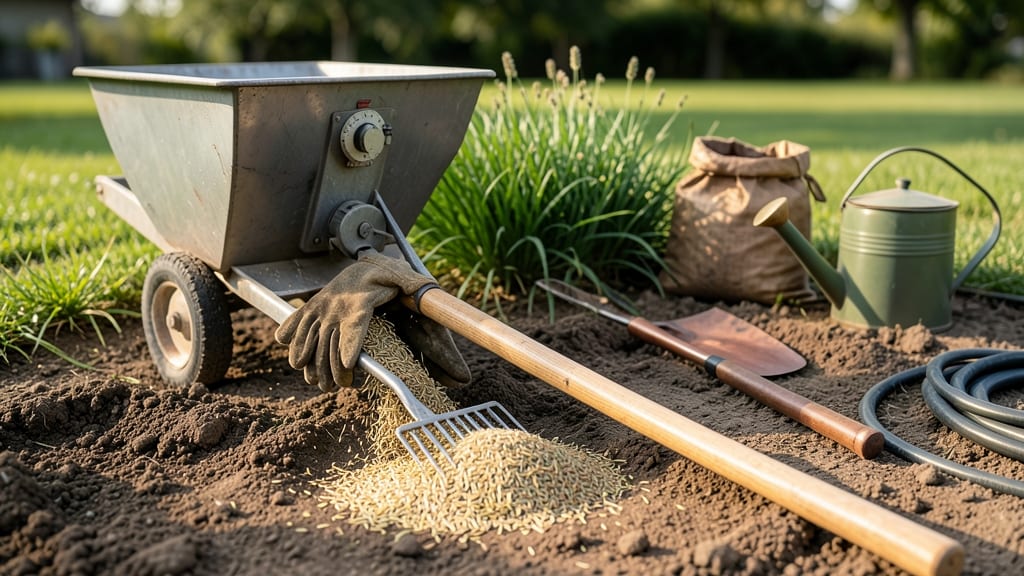
Planting grass seed in the fall is one of the smartest moves you can make for a lush lawn—but getting the timing wrong could mean wasted effort and patchy results.
The secret lies in understanding your USDA zone and planting 4-6 weeks before your first frost, when cooler temperatures create ideal conditions for deep root growth.
Why does this matter? Fall planting gives grass seedlings a head start before winter dormancy, helping them establish strong roots that survive harsh conditions. In zone 6a, that means aiming for late September to early October, but timing varies by region.
Let me show you exactly how to calculate your perfect planting window and what to do to set your lawn up for success.
You’ll also discover how to prepare your soil and avoid common mistakes that sabotage fall plantings. From proper watering schedules to choosing the right seed type for your climate, these steps make all the difference between a thin, weak lawn and one that thrives year after year. Let’s get started.
Whether you’re a first-time gardener or a seasoned lawn enthusiast, mastering fall grass planting will transform your outdoor space. The best part? You’ll spend less time fixing problems later because you’re building a foundation now. Ready to learn the exact steps?
Best fall planting weeks by USDA zone for grass seed germination
Timing your grass seed planting in fall is all about catching the sweet spot between warm soil and cooling air. Aim for 4-6 weeks before your first frost—this gives seeds time to germinate and roots to establish before winter dormancy.
The ideal soil temperature range is 60-75°F, which varies by zone.
Cooler fall temperatures reduce weed competition and water evaporation, giving your new grass a fighting chance. Plus, established roots before winter mean a greener lawn next spring. But plant too late, and your seeds may not survive the cold. Let’s break down the best weeks by USDA zone.
🌱
| USDA Zone | Best Planting Window | Soil Temp (°F) | Key Notes |
|---|---|---|---|
| 3-5 (Cold Climates) | Mid-August to early September | 55-65°F | Short growing season; use cool-season grasses like Kentucky bluegrass. |
| 6-7 (Temperate) | Late August to mid-October | 60-70°F | Longer window; ideal for tall fescue and perennial ryegrass mixes. |
| 8-9 (Warm Climates) | September to early November | 65-75°F | Plant warm-season grasses like Bermuda or Zoysia in late summer/early fall for spring green-up. |
| 10+ (Mild Winters) | October to December | 70-80°F | Year-round planting possible; focus on winter dormancy prep. |
In northern zones (3-5), aim for late August to avoid early frosts. For midwestern zones (6-7), late August through September works best. Southern zones (8-9) can extend planting into October, while coastal or tropical zones (10+) may plant as late as December.
Pro tip: Check your local frost dates (use the National Weather Service or Old Farmer’s Almanac) and count backward. If your zone has mild winters, you might even get two planting windows—once in fall and again in early spring.
For warm-season grasses like Bermuda or Zoysia, fall planting is about root establishment for spring growth. These grasses go dormant in winter but bounce back faster with a head start. Cool-season grasses like fescue or ryegrass thrive in fall’s cooler temps and stay green longer.
🌡️
Don’t let soil temperature fool you—it’s not the same as air temperature. Use a soil thermometer ($10 at garden centers) to check depth. The ideal depth is 2-4 inches below the surface. If temps drop below 50°F, germination slows dramatically, and seeds may rot.
One more critical tip: Adjust for microclimates. If you live near a large body of water or in a valley, frost dates may arrive 1-2 weeks earlier than official forecasts. Observe your neighbors’ lawns—if theirs are already turning brown, it’s time to plant!
Best fall planting weeks by USDA zone for grass seed germination
Timing your fall grass seed planting is everything—plant too early, and weeds will outcompete your seedlings. Too late, and roots won’t establish before frost. The ideal window is 4-6 weeks before your first frost, when daytime temps stay between 60-75°F and nighttime temps drop to 40-50°F.
This balance gives seeds time to germinate while preventing fungal growth from excess moisture.
Your USDA zone determines your exact planting window. For example, in Zone 5, aim for late August to early September, while Zone 8 gardeners can plant until early November.
Southern regions with mild winters (like Zone 10) may even extend planting into December, but always check your local frost dates to avoid surprises.
Here’s a quick reference for your zone—use this to pinpoint your perfect planting window and avoid common timing mistakes that lead to thin lawns.
| USDA Zone | Planting Window | Daytime Temp (°F) | Nighttime Temp (°F) |
|---|---|---|---|
| Zones 3-4 | Mid-August to early September | 60-70°F | 40-45°F |
| Zones 5-6 | Late August to mid-September | 65-75°F | 45-50°F |
| Zones 7-8 | September to early October | 70-80°F | 50-55°F |
| Zones 9-10 | October to December | 75-85°F | 55-60°F |
🌱 Check your local frost dates for precise timing—fall planting is all about beating the first frost!
Pro tip: If your area experiences unpredictable weather, err on the earlier side of the window. Grass seeds need 10-14 days of warm soil to germinate, so planting too close to frost can leave you with sparse coverage.
For example, in Zone 6a, late September is ideal—this gives seedlings 4-6 weeks to establish roots before winter dormancy.
Once you’ve nailed the timing, the next critical step is preparing your soil and lawn. This includes testing soil pH, aerating compacted areas, and ensuring proper seed-to-soil contact.
Skipping these steps can lead to poor germination, even with perfect timing. Let’s dive into the exact prep work you need to do before planting.
Remember, fall planting isn’t just about the seed—it’s about creating the right conditions for those seeds to thrive. With the right timing and prep, you’ll be rewarded with a thick, resilient lawn that outshines spring plantings every time. 🌿