
Plants
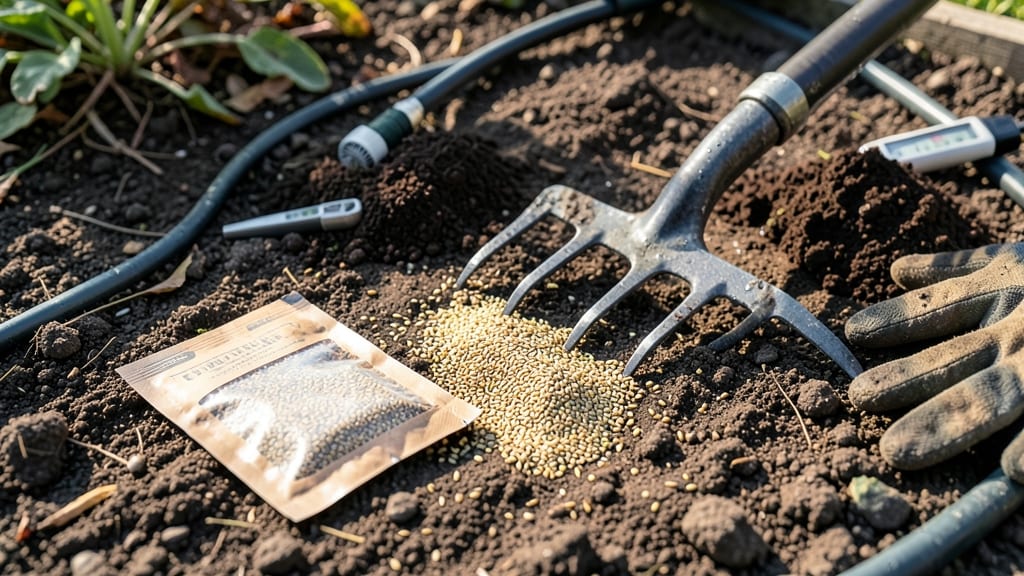
Knowing when in spring to plant grass seed could save you from weeks of frustration—because planting too early or too late throws off the whole process.
The difference between a vibrant lawn and a patchy mess often comes down to timing, especially when you factor in your local climate and soil conditions.
For most regions, like USDA Zone 6a, the sweet spot falls between early April and mid-May, when soil temperatures hit that critical 55-65°F range.
But here’s the catch: rushing it before the last frost (around April 15 in many areas) can leave your seeds vulnerable to cold snaps, while waiting too long risks baking them in dry, overheated soil.
I’ll break down the exact weeks to plant based on your zone, plus how to prep your soil and avoid common pitfalls. Whether you’re overseeding an existing lawn or starting fresh, these steps will set you up for germination success—no guesswork required.
Ready to turn your bare spots into a lush, green carpet? Let’s dive into the zone-specific schedule and care tips that make all the difference.
USDA zone-specific spring weeks for planting grass seed
Planting grass seed in spring requires precision—your USDA zone dictates the exact planting window for optimal germination. Cool-season grasses like tall fescue and Kentucky bluegrass thrive when soil temperatures hover between 55-65°F, while warm-season varieties like Bermuda or Zoysia prefer 70-75°F.
Timing too early risks frost damage, while waiting too long can lead to drought stress. Let’s break down the ideal weeks by zone to ensure your lawn starts strong.
In Zones 3-5 (northern climates like Minnesota or Maine), aim to plant 4-6 weeks before your last frost date, typically mid-April to early May. These regions experience cooler springs, so prioritize cool-season grasses that tolerate early-season chill.
For example, in Zone 4, planting in late April aligns with soil warming to 55°F, perfect for perennial ryegrass germination.
Southern zones (6-10) offer a longer window. In Zones 6-7 (e.g., Virginia or Oklahoma), plant early March to mid-April for cool-season grasses or late May to June for warm-season types.
Meanwhile, Zones 8-10 (Florida or California) can plant warm-season grasses year-round, but spring’s consistent rainfall makes March-April ideal. For instance, Bahia grass in Zone 9 thrives when planted in March before summer heat arrives.
Here’s a quick reference to avoid common mistakes like planting too early or late:
| USDA Zone | Best Planting Window | Soil Temp Threshold | Grass Type |
|---|---|---|---|
| 3-5 | Mid-April to early May | 55-65°F | Cool-season (Tall Fescue, Kentucky Bluegrass) |
| 6-7 | Early March to mid-April (cool-season) or late May to June (warm-season) | 55-65°F (cool) / 70-75°F (warm) | Cool-season (Ryegrass) or Warm-season (Zoysia) |
| 8-10 | March-April (warm-season) or September-October (cool-season) | 70-75°F (warm) / 60-70°F (cool) | Warm-season (Bahia, Bermuda) or Cool-season (Annual Ryegrass) |
Regional climate quirks matter too. For example, Pacific Northwest zones (6-7) often see cooler, wetter springs, so planting late April avoids soggy soil. Conversely, Midwest zones (5-6) may experience late frosts, making early May safer.
Always check your local frost dates—tools like the Old Farmer’s Almanac provide zone-specific forecasts.
If you’re in a transition zone (e.g., Zone 7b), where winters are mild but summers are hot, opt for warm-season grasses planted in late spring (May-June).
These varieties handle heat better and establish roots before summer droughts hit. For instance, Centipede grass in Zone 8 planted in May avoids early-season moisture stress.
Pro tip: Use a soil thermometer to confirm temperatures. Bury it 2 inches deep—the depth where grass seeds germinate. If readings dip below 50°F, wait a week or two.
This small step prevents seed rot and ensures uniform germination. I’ve seen seeds planted too early in Zone 5 wash away during April rains because the soil wasn’t stable enough.
Don’t overlook rainfall patterns in your zone. Southern zones (8-10) often face dry springs, so planting in March (before summer heat) gives seeds time to establish before droughts. In contrast, northern zones (3-5) may have excess moisture, so planting in late April allows soil to dry slightly.
Adjust your watering schedule accordingly—daily light watering for the first 2 weeks is key.
For cool-season grasses, aim to have 6-8 weeks of growth before the first frost. This means planting Kentucky bluegrass in Zone 6 by mid-April ensures it reaches 3-4 inches tall before winter dormancy.
Warm-season grasses, like St. Augustine, need 8-10 weeks of warm soil, so late spring (May-June) is ideal in Zone 9.
Remember, overseeding existing lawns follows the same rules. If your lawn is thinning, spread seed in the same zone-specific window as new plantings. For example, overseed tall fescue in Zone 5 in late April to fill bare spots before summer heat sets in.
Pair this with a light layer of straw mulch to retain moisture and protect seeds from birds.
Finally, track your progress. Mark your planting date and monitor germination—most cool-season grasses sprout in 7-21 days, while warm-season types take 14-30 days. Adjust watering as needed, and soon you’ll have a uniform, lush lawn
Critical factors that determine the best planting time
If you’ve ever planted grass seed only to watch it fail, chances are you missed one of these three critical factors: soil temperature, rainfall patterns, and grass type compatibility.
Each plays a starring role in whether your seeds germinate or just sit there, waiting for the perfect moment that never comes.
For example, cool-season grasses like Kentucky Bluegrass and Fescue thrive when soil temps hover between 55-65°F, while warm-season grasses such as Bermuda and Zoysia need 70-80°F to sprout.
Planting the wrong type at the wrong time is like inviting guests to a party at the wrong hour—they’ll leave disappointed (or worse, never show up).
Rainfall is another game-changer. Too little moisture, and your seeds dry out before germinating; too much, and they risk washing away or rotting. That’s why I always check the 10-day forecast before planting—consistent light rain or my ability to water deeply makes all the difference.
Here’s the kicker: even if your zone says “go,” local microclimates can throw off timing. A north-facing slope stays cooler longer, while a south-facing yard heats up faster. Adjust your planting window by 1-2 weeks if your spot feels colder or hotter than the norm.
- Test soil temp with a thermometer (55-65°F for cool-season grass)
- Plant after last frost (check local averages)
- Choose grass type matched to your climate
- Water deeply 2x daily for first 2 weeks
- Planting before soil warms (seeds rot in cold ground)
- Ignoring drought warnings (seeds need consistent moisture)
- Using warm-season grass in spring (it won’t germinate)
- Skipping soil prep (compacted soil blocks root growth)
One more pro tip: overseeding an existing lawn? Time it for early spring (March-April) when cool-season grasses wake up from dormancy. Warm-season grasses, on the other hand, should wait until late spring or early summer—planting them too soon risks heat stress before they establish.
Pay attention to these factors, and you’ll turn frustration into success—no more guessing games. The right timing isn’t just about the calendar; it’s about reading your lawn’s signals like a pro.