
Plants
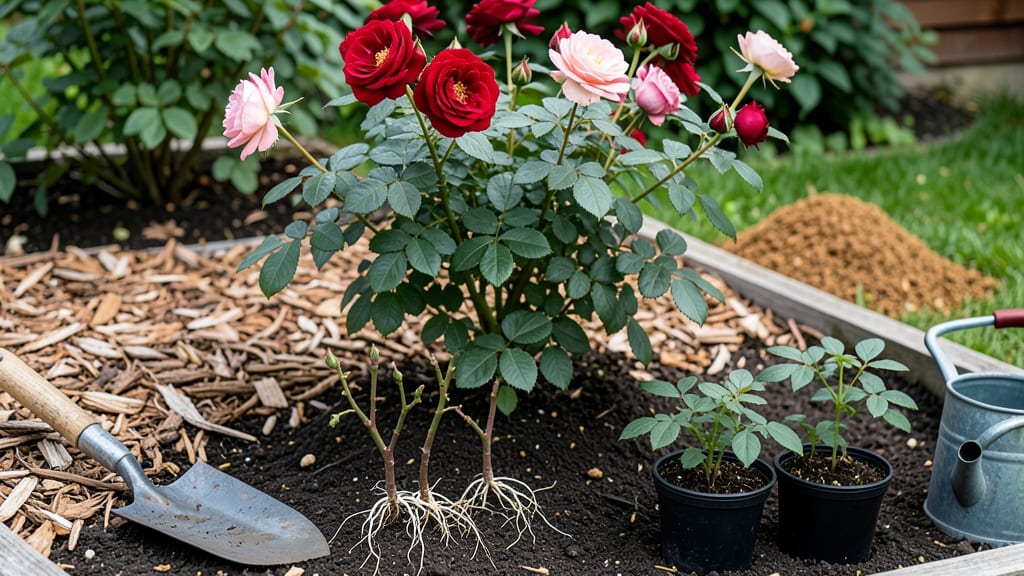
Planting roses in Texas isn't just about grabbing a shovel—it’s about outsmarting the state’s 8a-11 heat zones to give your 🌹 a fighting chance. Get the timing wrong, and your roses might struggle before they even bloom, especially in North Texas’ chilly winters or South Texas’ scorching summers.
Most gardeners swear by late winter to early spring or fall planting, but Texas’ varied climate means one size doesn’t fit all. Whether you’re in frost-prone 7b-8a North Texas or balmy 9a-10a South Texas, the right window makes all the difference for root establishment and heat tolerance.
I’ll break down the best months for your specific zone, plus pro tips for soil prep, container vs. in-ground planting, and even how to save roses planted in the brutal summer heat. No more guesswork—just thriving, fragrant blooms year after year.
Ready to turn your Texas garden into a rose paradise? Let’s dive into the exact schedule and strategies that work for your heat zone.
Texas heat zones explained: best planting months by region
Texas isn’t one-size-fits-all when it comes to roses. The Lone Star State spans USDA zones 7b–11, meaning your North Texas garden faces freezing winters while South Texas rarely dips below 40°F.
Planting too early in Zone 10b can stress roses, while Zone 8a gardeners risk frost damage if they wait too long.
For bare-root roses, aim to plant 4–6 weeks before your last frost date. In North Texas (Zones 7b–8a), that’s February–March. But in South Texas (Zones 9a–10b), you can plant year-round—just avoid peak summer heat (June–August) when roots struggle to establish.
Container-grown roses offer flexibility. They tolerate warmer soil and can go in any month in Zones 9a–11, but fall (September–November) is ideal for root establishment before winter. In cooler zones (7b–8a), stick to late winter or early spring.
Here’s how to match your Texas heat zone to the perfect planting window:
| Region | USDA Zone | Best Planting Months | Last Frost Date | Notes |
|---|---|---|---|---|
| North Texas | 7b–8a | February–March | Mid-February | Bare-root only; mulch heavily for winter. |
| Central Texas | 8a–9a | October–November or February | Early February | Fall planting preferred; avoid summer heat. |
| South Texas | 9a–10b | Year-round (best: Sept–Nov) | Mid-January | Container roses thrive; shade cloth helps in summer. |
| West Texas | 8a | February–March | Late February | Drought-tolerant varieties recommended; deep watering critical. |
Pro tip: ‘Knock Out’ roses are heat-tolerant champions for Zones 9a–11. They handle South Texas summers better than most, but even they need consistent watering during 100°F+ days. For cooler zones (7b–8a)David Austin English roses—they bloom later and tolerate shorter seasons.
Soil prep is non-negotiable. Texas clay? Amend with 3–4 inches of compost and sand to improve drainage. Raised beds work wonders in heavy clay soils (common in East Texas), while West Texas gardeners should focus on mulching to retain moisture.
Remember: Fall planting gives roses 3–4 months to establish roots before winter stress hits. That’s why October–November is the golden window for most of Texas—except South Texas, where year-round planting is possible with the right care.
🌹
Texas heat zones explained: best planting months by region
Texas’ 9 USDA heat zones (8a-11) create wildly different planting windows for roses. North Texas’ 7b-8a zones face late frosts, while South Texas’ 9a-10a zones can plant almost year-round.
Even within 100 miles, your last frost date might shift by 3 weeks—critical for bare-root roses that need 4-6 weeks to establish roots before summer heat hits.
For North Texas (7b-8a), aim for February 15–March 15 (bare-root) or October 15–November 15 (container-grown). Central Texas’ 8a-9a zone extends this to January 1–March 15 or September 15–November 15. South Texas’ 9a-10a gardeners can plant year-round with minimal stress, though summer planting requires extra shade and mulch.
🌹 Bare-root roses are cheapest but must be planted before buds swell—typically late winter. Container-grown roses offer flexibility but cost more. Heat-tolerant varieties like ‘Knock Out’ roses thrive in 10a+ zones even with summer planting.
| Zone | Last Frost | Best Planting Window | Notes |
|---|---|---|---|
| 7b-8a (North TX) | Feb 15 | Feb 15–Mar 15 or Oct 15–Nov 15 | Bare-root only; mulch heavily |
| 8a-9a (Central TX) | Feb 1 | Jan 1–Mar 15 or Sep 15–Nov 15 | Container-grown OK in summer |
| 9a-10a (South TX) | Jan 15 | Year-round (avoid peak summer) | Use shade cloth for summer |
| 10b+ (Deep South TX) | None | Sep–Nov or Feb–Mar | Heat-tolerant varieties only |
If you’re in West Texas (8a), treat it like North Texas but add extra mulch (4–6 inches) to retain moisture. Container roses give you more flexibility—plant them anytime in 9a+ zones, but water deeply every 2–3 days during summer.
For bare-root roses, soak roots in water for 2–4 hours before planting to reduce transplant shock.
Pro tip: Test your soil’s pH (roses thrive at 6.0–6.5). In alkaline Texas soil, amend with sulfur or peat moss before planting. Amend with compost for better drainage—roses hate soggy roots. In clay-heavy areas, mix in sand or perlite to prevent root rot.
Remember: Fall planting (September–November) gives roses time to establish roots before summer heat. Spring planting risks stress from sudden heat waves. For summer planting (June–September), use shade cloth (30–50%) and drip irrigation to protect young plants from 100°F+ temperatures. 🌿