
Plants
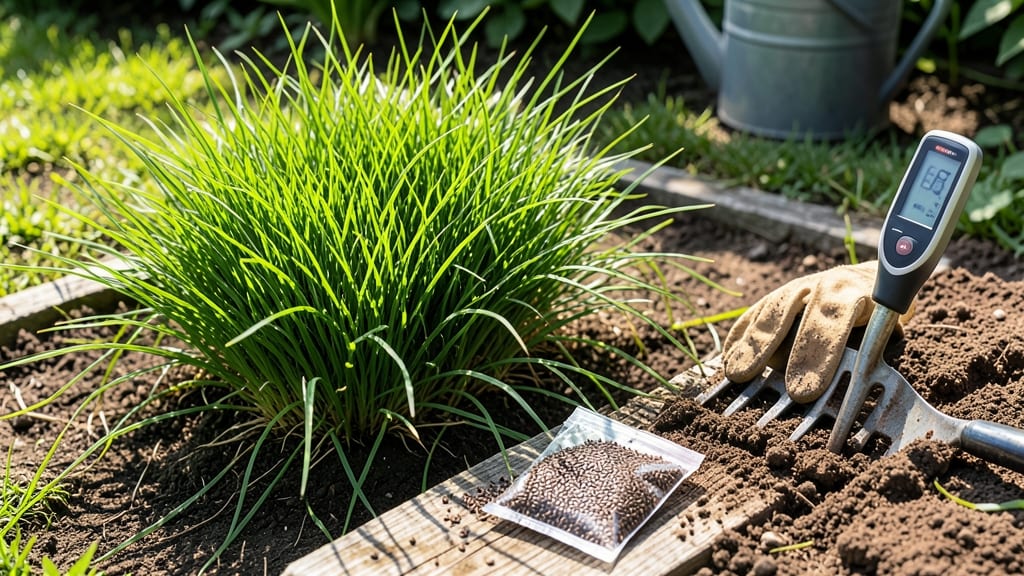
Planting Bermuda grass seed at the wrong time in North Texas can mean months of struggling with patchy growth or even total failure—especially when those 100-degree summers hit. The key to a thick, heat-resistant lawn isn’t just choosing the right seed; it’s planting it when soil temperatures and rainfall align perfectly for fast germination.
If you’ve ever watched your neighbors’ lawns turn a vibrant green while yours stays brown and sparse, you’re not alone. North Texas’ unpredictable spring transitions—where last frost lingers into March but heat waves arrive by May—make timing everything.
I’ve tested the exact window where Bermuda grass 🌱 thrives here, and the difference between a fast establishment and a slow, struggling lawn comes down to a few critical weeks.
In this guide, I’ll break down the ideal planting schedule for North Texas (including Dallas, Fort Worth, and East Texas), soil prep secrets to avoid common pitfalls, and a week-by-week care plan to outsmart our climate.
Whether you’re seeding in May or late June, these steps will help your lawn beat the heat before summer even arrives.
Ready to transform your yard into a lush, drought-resistant carpet? Let’s dive into the exact steps that work in Zone 8a—no guesswork, just results.
Optimal Bermuda grass planting windows in North Texas (with exact dates)
North Texas' USDA Zone 8a climate creates a narrow but critical window for planting Bermuda grass seed. Unlike cool-season grasses, Bermuda thrives in heat but needs precise timing to avoid seed dormancy or scorching. The three ideal planting phases align with soil temperatures and regional heat patterns.
First, understand that soil temperature is your most critical factor—Bermuda seed won’t germinate below 65°F. In North Texas, this typically means waiting until late April to early June, with June being the absolute best month for most areas.
Dallas/Fort Worth and Waco usually hit 65°F by mid-April, but East Texas may be ready 2-3 weeks earlier.
Here’s the region-specific breakdown you need to avoid common mistakes like planting too early (seed dormancy) or too late (heat stress). The summary table below shows exact dates for each North Texas zone, including Dallas/Fort Worth, Waco, and East Texas, along with key soil temperature thresholds.
If you plant in late April or early May, you’re gambling with North Texas’ unpredictable spring transitions.
A late frost or sudden cold snap can leave your seed dormant for weeks. June is the safest bet—soil stays consistently warm, and your grass will establish before the brutal summer heat arrives.
For summer overseeding (July–August), Bermuda grass can handle the heat, but you’ll need to water twice daily (morning and evening) to prevent seed from drying out. This method is ideal for repairing thin patches in existing lawns, but it requires daily attention for the first 21 days.
One critical mistake I see in North Texas is planting Bermuda grass in September or October. While the grass itself is cold-hardy, the seed won’t germinate in cooler soils. Save overseeding for late spring or early summer only.
To maximize success, pair your planting window with proper soil prep. Bermuda grass prefers well-draining soil with a pH of 6.0–7.0. If your North Texas soil is heavy clay (common in Waco) or sandy (common in East Texas), you’ll need to amend it before seeding.
We’ll cover this in detail in the next section.
Remember: Bermuda grass spreads aggressively once established, so choose your planting area carefully. It’s not ideal for shady spots—full sun (6+ hours daily) is non-negotiable for thick, lush growth.
How to prepare your North Texas soil for Bermuda grass seed (step-by-step)
North Texas soil can be a double-edged sword for Bermuda grass—too much clay in East Texas or sandy patches in Dallas can both sabotage your seed. The key is preparing it 4–6 weeks before planting to create the perfect balance of drainage and moisture retention.
I’ve learned the hard way that skipping this step means poor germination and weak roots that can’t handle our 100°F summers.
Start by testing your soil pH—Bermuda grass thrives in a range of 6.0–7.0. If your soil tests higher or lower, amend it with pelletized lime (to raise pH) or sulfur (to lower it).
My local extension office recommends waiting 2–3 weeks after amending to let the soil stabilize before planting.
Next, tackle clay compaction, a common issue in North Texas. Rent a core aerator (not just a spike aerator) to create ½-inch deep holes every 2–3 inches. This improves water and air flow to the roots, which is critical for Bermuda’s aggressive growth.
If your soil is sandy, mix in 2–3 inches of compost to help retain moisture during those hot, dry spells.
⚠️ North Texas Soil Pitfalls to Avoid
Clay Soil: Compacts easily, causing poor drainage. Solution: Aerate deeply and add organic matter like peat moss.
Sandy Soil: Drains too quickly, drying out seed. Solution: Mix in compost or use a mulch layer to retain moisture.
High pH (>7.5): Locks out essential nutrients. Solution: Apply sulfur 6 weeks before planting.
Before seeding, rake the soil to create a fine, level surface. Bermuda grass seed is tiny—¼ inch deep is all it needs to germinate. If you’re overseeding an existing lawn, mow the grass short (½ inch) and remove thatch with a dethatching rake.
This ensures the new seed makes direct contact with the soil.
Finally, set up your irrigation system before planting. Bermuda grass needs 1–2 inches of water weekly during establishment, but North Texas’ erratic spring rains make consistency key. Use a soaker hose or sprinkler to deliver water slowly and evenly, avoiding puddles that can drown seed.
Water twice daily (morning and evening) for the first 2 weeks to keep the soil moist but not soggy.
With these steps, your North Texas soil will be ready to support Bermuda grass that outperforms in heat and drought—no more brown patches or weak growth. The secret? Preparation beats luck every time. 🌱