
Flowers
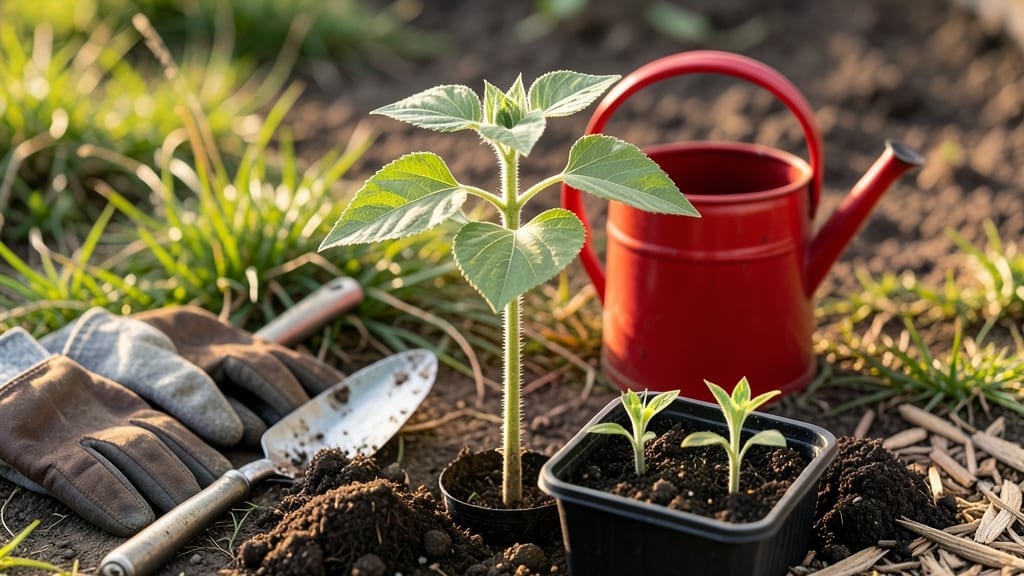
If you’ve ever dreamed of growing towering, golden sunflowers 🌻 in your Florida garden but weren’t sure when to plant them, you’re not alone. The wrong timing can mean frost damage in the north or wilting blooms before summer’s end in the south—and no one wants that!
Florida’s microclimates create a tricky puzzle: North Florida gardeners should wait until March or April, while Central and South Florida can start as early as February. The key is matching your zone to soil warmth and frost risk, ensuring those bold, cheerful blooms thrive from May through October.
I’ll break down the exact weeks to plant based on your region, plus how to choose the right sunflower varieties for Florida’s heat. Whether you’re growing dwarf sunflowers for containers or giant varieties for showstopping displays, timing makes all the difference.
Ready to turn your garden into a sunflower paradise? Let’s dive into the perfect planting schedule so you can enjoy those vibrant blooms all season long.
Florida’s 3 microclimate zones & their ideal sunflower planting weeks
Florida’s climate isn’t one-size-fits-all—it’s a patchwork of microclimates where frost dates and heat spikes create three distinct planting zones. North Florida’s cooler winters demand earlier sowing, while South Florida’s balmy air lets you start months ahead.
Let’s break down the exact weeks to plant sunflowers in each zone for maximum bloom potential.
Sunflowers thrive when soil temperatures hit 50°F+, but Florida’s zones vary wildly. North Florida’s Zone 8a (e.g., Jacksonville) faces frost risks until January 31, while South Florida’s Zone 10a (e.g., Miami) stays frost-free year-round.
Central Florida (Zone 9a) sits in the middle, with March 15 as the sweet spot for sowing.
Here’s the zone-by-zone breakdown of ideal planting weeks, tailored to Florida’s 100-day growing season for most varieties:
| Zone | Last Frost Date | Ideal Planting Weeks | Soil Temp Requirement | Heat Tolerance Tip |
|---|---|---|---|---|
| North Florida (Zone 8a) | January 31 | Weeks of March 1-15 | 50°F+ | Choose early-blooming varieties like 'Teddy Bear' to avoid summer wilting. |
| Central Florida (Zone 9a) | February 15 | Weeks of February 15-March 15 | 55°F+ | Sow heat-tolerant 'Autumn Beauty' for extended blooms into fall. |
| South Florida (Zone 10a) | None (year-round) | Weeks of January 15-February 15 | 60°F+ | Use shade cloth in peak summer (June-August) to prevent bolting. |
For North Florida, aim to plant by March 15 to ensure blooms by May-June before summer’s heat sets in. In Central Florida, you’ve got a 6-week window (February 15–March 15) to sow seeds, giving you flexibility for succession planting every 2 weeks for continuous blooms.
South Florida gardeners can push the envelope: Plant as early as January 15 for spring blooms or August-September for fall displays. Just remember—sunflowers here need daily watering during Florida’s 90°F+ summers to prevent wilting.
Pro tip: Use a soil thermometer to confirm temperatures before planting. Sunflowers won’t germinate below 50°F, and rushing them in cooler zones can stunt growth. Wait for warmth—your blooms will thank you!
In all zones, succession planting every 2-3 weeks after your initial sowing ensures non-stop color from spring to fall. For example, plant a second batch in April (North/Central) or May (South) to keep flowers appearing as the first batch fades.
One last critical note: Florida’s humidity and summer rains can cause fungal issues. Space sunflowers 12-24 inches apart (depending on variety) to improve air circulation and reduce disease risk. Mulch heavily with straw to keep soil moist and cool.
Now that you’ve got the perfect planting weeks locked in, let’s talk varieties—because not all sunflowers handle Florida’s heat the same way. Stay tuned for heat-tolerant picks and container-friendly dwarfs in the next section!
Sunflower varieties that thrive in Florida heat (with planting adjustments)
Not all sunflowers are created equal—and Florida’s humid heat and intense sun demand the right varieties. Dwarf types like ‘Teddy Bear’ (1-3 ft) thrive in containers, while ‘Russian Giant’ (10-18 ft) needs space but bolts faster in warm soil.
The key? Matching your variety to your microclimate zone and adjusting planting dates to avoid wilting or bolting.
For North Florida (Zones 8a-9a), opt for heat-tolerant varieties like ‘Autumn Beauty’ or ‘Moulin Rouge’, which bloom later and handle summer heat better. In Central/South Florida (Zones 10a-11), early-season types like ‘ProCut’ (edible seeds) or ‘Evening Sun’ (dwarf) perform best when planted in February to avoid August’s scorching temps.
🌻 Pro Tip: If you’re growing giant sunflowers, start seeds indoors 2-3 weeks before your last frost date to give them a head start. For dwarf varieties, direct-sow after soil reaches 55°F—they’re more forgiving with timing.
| Variety | Height | Best Florida Zone | Planting Time | Heat Tolerance |
|---|---|---|---|---|
| Russian Giant | 10-18 ft | 8a-10a | March (North) / Feb (South) | Moderate (bolts fast) |
| Teddy Bear | 1-3 ft | All zones | April-May (avoid summer) | High (dwarf, heat-resistant) |
| Autumn Beauty | 3-5 ft | 8a-9a | March-April | Very High (late bloomer) |
| ProCut | 5-7 ft | 10a-11 | February-March | High (edible, fast-growing) |
| Evening Sun | 2-3 ft | All zones | April (container-friendly) | Very High (compact) |
💧 Companion Planting Hack: Pair sunflowers with basil, marigolds, or cosmos to deter pests and improve pollination. Avoid planting near potatoes or tomatoes, as they compete for nutrients and attract similar pests.
For succession planting, sow new seeds every 2-3 weeks after your initial planting date. This ensures continuous blooms from May through October, even as older plants fade in Florida’s heat.
Just remember: dwarf varieties can handle closer spacing (12-18 inches apart), while giant types need 2-3 feet of space to avoid shading each other.
🌿 Final Tip: If you’re in South Florida and want winter sunflowers, try ‘Sunspot’—it tolerates cooler temps and blooms in fall or early spring. Just plant in October or November for a holiday-season showstopper!