
Plants
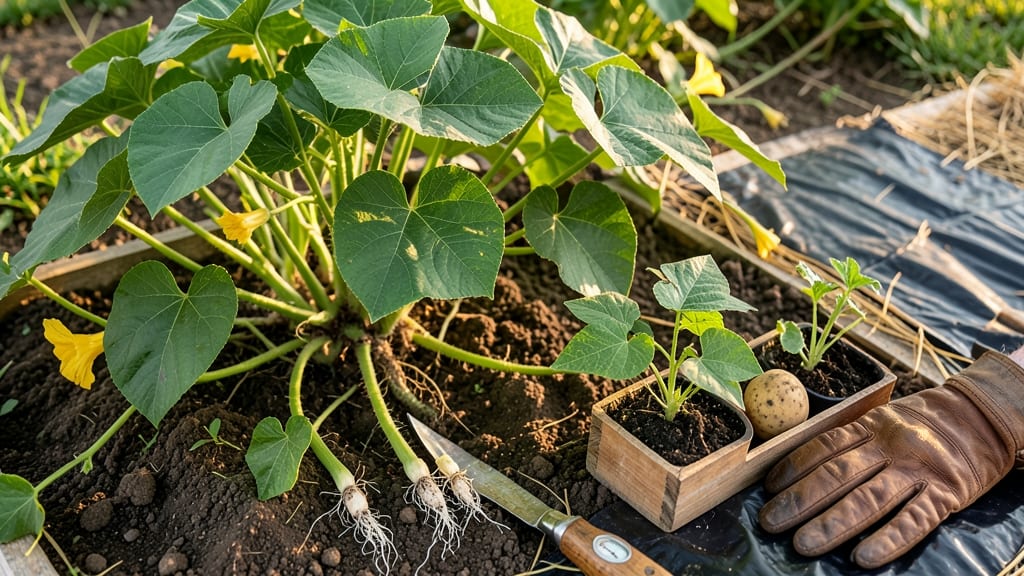
Knowing when to plant sweet potatoes in NC can mean the difference between a bountiful harvest and wasted effort. With North Carolina's warm climate and 7a-8b growing zones, timing is everything for this 🍠-loving crop.
Plant too early, and frost can kill your young plants; too late, and you might miss the ideal growing window before summer heat sets in.
Most gardeners in NC wait until mid-April to early June, after the last frost date, to plant sweet potato slips. This gives the soil time to warm up to at least 65°F, which is crucial for root development.
The key is balancing warmth with moisture—something NC's spring weather can be tricky to predict.
If you're starting from slips (young plants) rather than seeds, you'll want to get them in the ground 2-4 weeks after the last frost. This ensures they have enough time to establish roots before the heat of summer arrives.
Proper soil preparation—rich in organic matter and well-draining—will also make or break your harvest.
Let me show you exactly how to time your planting for maximum yield, including the best varieties for NC's climate and common mistakes to avoid. Your sweet potato patch could be thriving by September if you get this right!
Best planting weeks before last frost in NC for sweet potatoes
North Carolina’s warm climate makes it ideal for growing sweet potatoes, but timing your planting is critical. Most regions experience their last frost between March 15 and April 15, depending on elevation.
For best results, wait 2-4 weeks after the last frost before planting slips (young plants). This ensures soil temperatures reach the minimum 65°F (18°C) sweet potatoes need to thrive.
In western NC (USDA zones 7a-7b), where frosts linger slightly longer, aim for mid-April to early May. Meanwhile, eastern NC (zones 8a-8b) gardeners can start as early as late March in warmer microclimates. Always check your local NC State Extension frost date maps to fine-tune your schedule.
Sweet potatoes grow best in warm soil, so avoid planting too early. Cold soil can stunt growth and attract pests like wireworms. Use a soil thermometer to confirm temperatures are consistently above 65°F (18°C) before transplanting slips.
This typically aligns with late April to early June for most of NC.
If you’re growing from seed potatoes (not recommended for beginners), start them indoors 10-12 weeks before your last frost date. However, slips (young plants) are the preferred method in NC because they establish faster and produce larger tubers.
Many local nurseries sell slips in April and May, making them convenient for timely planting.
📅 NC Sweet Potato Planting Timeline
| Region | Last Frost Date | Ideal Planting Window | Soil Temp Requirement |
|---|---|---|---|
| Western NC (Asheville, Boone) | April 1-15 | Mid-April to early May | 65°F+ (18°C+) |
| Central NC (Raleigh, Greensboro) | March 20-April 5 | Late March to mid-April | 65°F+ (18°C+) |
| Eastern NC (Wilmington, Fayetteville) | March 10-25 | Late March to early April | 65°F+ (18°C+) |
| Piedmont (Charlotte, Concord) | March 25-April 10 | Early April to mid-April | 65°F+ (18°C+) |
⚠️ Note: Adjust for microclimates (e.g., valleys stay cooler longer).
For maximum tuber development, plant slips as soon as the soil warms up. Sweet potatoes need a long growing season—typically 90-150 days—to reach maturity. In NC, this means starting in spring ensures a fall harvest before the first frost, usually around November 15.
If you’re in a cooler microclimate, like the mountains, opt for earlier-maturing varieties (e.g., Beauregard) to avoid frost damage. In warmer coastal areas, you can extend planting into early June for a second harvest.
However, avoid planting after July, as tubers won’t have enough time to mature before frost.
Prepare your soil by amending it with compost or aged manure to improve drainage and fertility. Sweet potatoes prefer sandy loam soil with a pH between 5.8 and 6.5. Test your soil a few weeks before planting to make adjustments.
Raised beds work well in NC, especially in areas with clay-heavy soil, as they warm up faster in spring.
Once planted, mulch around the base with straw or pine needles to retain moisture and regulate soil temperature. This is especially important in NC’s humid summers, where mulch helps prevent soil-borne diseases like black rot.
Keep an eye on your plants and adjust watering as needed to avoid overhead moisture, which can spread fungal issues.
By following these region-specific guidelines, you’ll give your sweet potatoes the best chance to thrive in NC’s climate. Whether you’re a beginner gardener or a seasoned pro, timing your planting correctly is the first step toward a bountiful harvest of sweet, homegrown tubers.
Best planting weeks before last frost in NC for sweet potatoes
North Carolina’s frost-free growing season runs from mid-March to mid-November, but sweet potatoes need warm soil and consistent heat to thrive. Planting too early risks frost damage, while waiting too long cuts your harvest window short.
The ideal time is 2-4 weeks after your last frost date, typically mid-April to early June.
For most of NC (USDA zones 7a-8b), aim for soil temperatures above 65°F (18°C). Use a soil thermometer to confirm—cold soil stunts root growth and delays maturity.
In western NC’s cooler zones, start slips slightly earlier (late April), while eastern NC can plant as late as early June without risking frost.
| Region | Last Frost Date | Ideal Planting Window | Soil Temp Requirement |
|---|---|---|---|
| Western NC (Mountains) | April 15 | Late April - May 1 | 65°F+ (18°C) |
| Piedmont (Raleigh) | March 25 | Mid-April - May 10 | 65°F+ (18°C) |
| Coastal NC (Wilmington) | March 10 | Late March - June 1 | 60°F+ (15°C) |
Sweet potatoes grow best from slips (young plants) rather than seeds, which take too long to mature in NC’s short season. Start slips indoors in late February (use small pots with moist peat moss) or buy them from local nurseries once soil warms.
Plant slips 12-18 inches apart in rows 3 feet apart to allow vines to sprawl without competition.
Extend your harvest by planting successive batches every 2 weeks through early June. This staggered approach ensures a continuous supply of sweet potatoes from September through November. Just remember: vines need 6+ hours of sun daily, so choose a warm, sunny spot protected from strong winds.
If you’re growing in containers, use 5-gallon pots with drainage holes and plant one slip per pot. Containers warm up faster than garden beds, so you can start them 1-2 weeks earlier than in-ground plants. Just ensure pots stay consistently moist—drought stress reduces tuber size.
Watch for leaf yellowing after planting—this signals stress from either too much water or inconsistent soil temps. Mulch with straw or black plastic to maintain even soil temperatures and suppress weeds. With perfect timing and care, you’ll harvest plump, sweet tubers ready for storage or cooking by fall!