
Plants
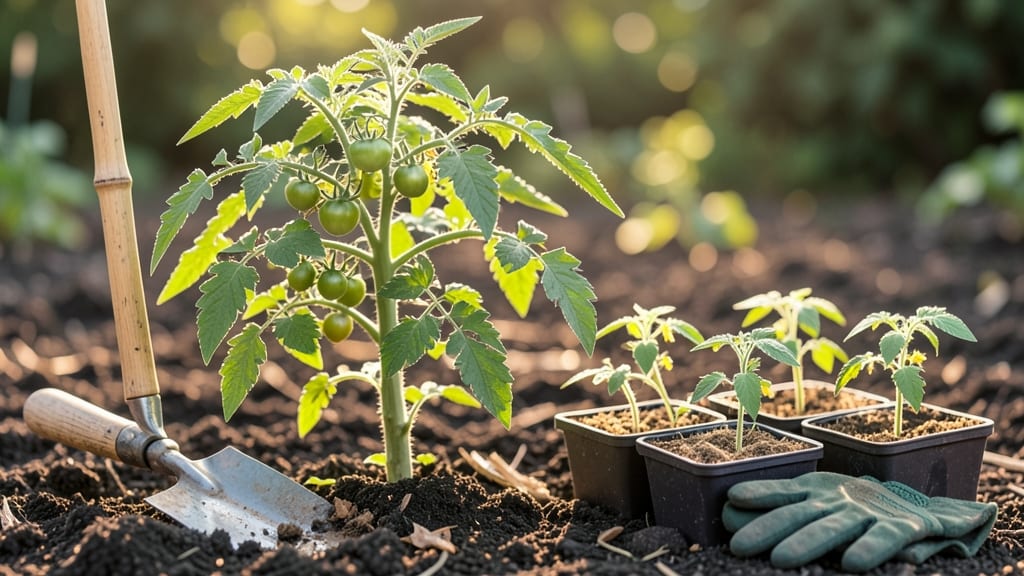
If you’ve ever wondered when to plant tomatoes in Alabama and dreaded the guesswork, you’re not alone. The wrong timing can mean wilted seedlings or stunted harvests, but getting it right unlocks a bounty of juicy 🍅 from June through October.
Alabama’s climate—from the humid Gulf Coast to the cooler Appalachian foothills—creates two distinct planting windows that most gardeners miss. Whether you’re in USDA Zone 7b or 8b, the key is aligning your schedule with frost dates and soil warmth, not just the calendar.
In this guide, I’ll break down the exact dates for spring and fall plantings, plus how to adjust for Alabama’s unpredictable weather. You’ll learn which varieties thrive in your microclimate and how to extend the season for continuous harvests.
Skip the trial-and-error—let’s get your tomatoes growing stronger and sooner with science-backed timing tailored to your corner of Alabama. Ready to dig in?
Alabama’s tomato planting zones: exact dates by microclimate for frost-free success
Alabama’s 10 USDA hardiness zones (6A–8A) create distinct planting windows for tomatoes, with coastal areas like Mobile enjoying 60+ frost-free days earlier than the Appalachian foothills. Understanding your microclimate ensures you avoid late frosts in March or heat stress by July.
Let’s break down the ideal planting dates by region to help you time your tomatoes perfectly for a summer-long harvest.
For North Alabama (Zones 6A–7A), like Huntsville or Decatur, the last average frost date falls around April 15. This means you should start indoor seedlings by late February and transplant outdoors no earlier than mid-May.
In contrast, South Alabama (Zones 8A–8B), including Birmingham and Mobile, can plant outdoors as early as mid-March after soil warms to 60°F+. These regional differences can mean a 4–6 week gap in planting windows.
Here’s how to determine your exact planting window: Check your local USDA zone (use the USDA Plant Hardiness Map), then adjust for your elevation.
Mountainous areas like Fort Payne (Zone 7A) may need to wait until late May, while coastal zones like Pensacola (Zone 8B) can start as early as February for indoor starts or direct-sow by mid-March.
| Region | USDA Zone | Last Frost Date | Indoor Start (Seeds) | Outdoor Transplant | Fall Planting Window |
|---|---|---|---|---|---|
| North Alabama (Huntsville, Decatur) | 6A–7A | April 15 | Late February | Mid-May | Late July–Early August |
| Central Alabama (Birmingham, Montgomery) | 7A–7B | March 25 | Early March | Early April | Mid-July–Late July |
| South Alabama (Mobile, Dothan) | 8A–8B | February 15 | Mid-January | Mid-March | Late June–Early July |
| Coastal Alabama (Pensacola, Gulf Shores) | 8B | January 31 | December 15 | Early February | Early June–Mid-June |
| Appalachian Foothills (Fort Payne, Gadsden) | 7A | April 30 | Late March | Late May | Early August–Mid-August |
For gardeners in Zone 7A or colder, like those in Madison or Cullman, consider using heat-tolerant varieties such as ‘Celebrity’ or ‘Solar Fire’ to avoid blossom drop during Alabama’s sweltering summer heat.
These varieties thrive in temperatures up to 95°F, making them ideal for late spring or early fall plantings when nights remain warm.
If you’re in South Alabama (Zones 8A–8B), you can even enjoy two tomato harvests per year: one from spring plantings and another from fall succession plantings in July. For example, Mobile gardeners can direct-sow cherry tomatoes in early February and again in late July for a September–October harvest.
This double-cropping strategy maximizes your garden’s productivity and extends your fresh tomato supply.
Always monitor soil temperature with a soil thermometer—tomato seeds need soil at 60°F+ to germinate. In cooler zones, use black plastic mulch or row covers to warm the soil faster.
For instance, in Birmingham (Zone 7B), soil may not reach 60°F until mid-April, so wait until then to transplant seedlings outdoors.
Pro tip: Use Alabama A&M’s Extension Service frost maps for real-time updates on frost risks. Their data often shows 3–5°F variations from average frost dates, which can shift your planting window by 1–2 weeks. For example, a late frost in March 2023 delayed plantings in North
How to adjust planting dates for Alabama’s unpredictable weather patterns
Alabama’s weather can throw off even the most experienced gardeners—one week of unseasonable cold in April or a sudden heatwave in May can derail your tomato plans. The secret to success? Flexible timing based on soil temperature, not just the calendar.
Most Alabama gardeners should aim for a soil temperature of 60°F+ before planting, which often means waiting until mid-April to early May for spring plantings.
For gardeners in cooler mountain regions (USDA Zone 7a), like the Appalachian foothills, start seeds indoors 8-10 weeks before your last frost date (typically mid-March to early April).
In warmer coastal areas (Zone 8a), like Mobile or Baldwin County, you can direct-sow as early as late February if the ground isn’t frozen. Always check a soil thermometer—it’s your best friend for timing!
🚨 NON-NEGOTIABLE: Alabama’s humidity and late spring frosts (even in May!) demand a backup plan. Use row covers or cold frames to protect seedlings if nighttime temps dip below 50°F.
For a second harvest in fall, plant heat-tolerant varieties like ‘Solar Fire’ or ‘Celebrity’ in late July to early August—they thrive in Alabama’s 90°F+ summers and produce until frost.
If you’re in North Alabama (Zone 7a), like Huntsville or Decatur, push your fall planting to late July to avoid the brutal August heat that can stress seedlings.
In South Alabama (Zone 8a), like Montgomery or Dothan, you can stretch fall plantings to early August—just be ready to harvest by October before the first frost hits.
Pro tip: Alabama’s unpredictable rainfall can also delay planting. If your soil stays soggy after spring rains, wait until it’s crumbly and well-drained—tomatoes hate waterlogged roots. Amend heavy clay soil with compost or sand to improve drainage, especially in low-lying areas prone to pooling water.
For gardeners in transition zones (Zone 7b), like Birmingham or Auburn, split your planting into two batches: one in early April for early varieties and another in mid-May for heat-lovers. This hedges your bets against Alabama’s mood swings—whether it’s a late frost or an early heatwave.