
Plants
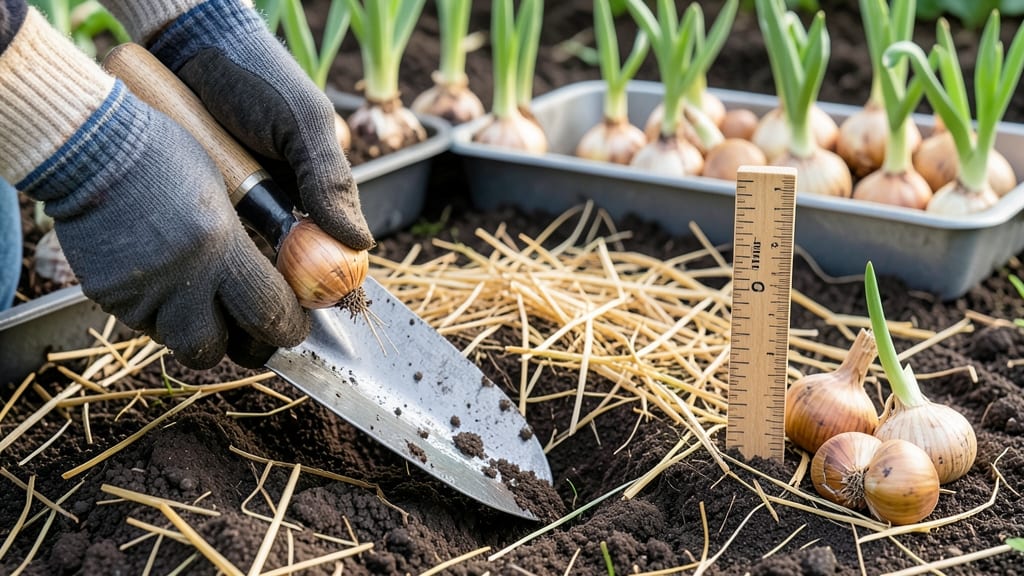
Timing when do you plant tulip bulbs in the ground just right is the secret to those vibrant spring blooms you’ve been dreaming of. 🌷 In USDA Zone 6a, where I garden, the window between October and November is your golden opportunity—but get it wrong, and you might end up with disappointed buds instead of show-stopping flowers.
Why does timing matter so much? Tulips need a cooling period to trigger blooming, and planting too early or late can break that natural cycle. Whether you're in a chilly northern climate or a milder southern region, understanding soil temperatures and frost dates is the key to success.
I’ll walk you through the exact steps to plant your bulbs at the perfect moment—when the ground is cool but not frozen, and the forecast shows a frost-free window of at least 6 weeks. No more guessing games or wasted bulbs!
From preparing your soil to knowing when to tuck those bulbs into the earth, this guide ensures your tulips get the chilling they need for a stunning spring display. Let’s make this your easiest, most reliable planting season yet!
Best planting times for tulip bulbs by USDA Zone and soil temperature
Planting tulip bulbs at the right time ensures they get the 12-16 weeks of cold they need to bloom spectacularly next spring. The ideal window is when soil temperatures drop to 40-50°F (4-10°C), typically 4-6 weeks before ground freezes in your zone.
This timing lets bulbs establish roots before winter dormancy.
For most gardeners in the U.S. and Canada (Zones 3-8), this means October through November. However, zones with milder winters—like Zone 9 and 10—require a different approach to avoid rot or premature sprouting. Let’s break down the perfect planting schedule for your specific climate zone.
🌱 Pro Tip: Use the "finger test"—stick your finger 6 inches deep into the soil. If it feels cool but not frozen, it’s time to plant!
| USDA Zone | Soil Temp | Planting Window | Key Notes |
|---|---|---|---|
| 3-5 (Cold Climates) | 40-45°F (4-7°C) | Mid-September to early October | Plant early to avoid late-season frost before roots establish. |
| 6-8 (Temperate) | 45-50°F (7-10°C) | October to November | Best zone for classic tulip blooms. Avoid planting after first frost. |
| 9-10 (Mild Winters) | 50-55°F (10-13°C) | November to December | Plant later to prevent premature sprouting. Consider spring planting for varieties like Darwin hybrids. |
| Southern Hemisphere (Zones 8-10) | 50-55°F (10-13°C) | March to April | Reverse timing! Plant in autumn (March-April) for spring blooms. |
If you’re in Zone 6a (like much of the Midwest), aim for mid-October. This gives bulbs time to root before the ground freezes—typically around November 15 in this zone. For Zone 7b (e.g., Atlanta, Georgia), wait until late October to early November.
For gardeners in cooler microclimates (e.g., high elevations or mountainous regions), plant 2-3 weeks earlier than your zone’s average. Conversely, urban heat islands may require delaying planting by 1-2 weeks to avoid soil warming too quickly.
⚠️ Warning: Planting too early (before soil cools) can cause bulbs to sprout prematurely and get damaged by frost. Planting too late (after ground freezes) prevents root growth, leading to weak or no blooms next spring.
For late-blooming varieties like Darwin tulips or fosteriana, you can push the window slightly later—up to mid-November in Zones 6-8. These types handle shorter chilling periods better than classic Dutch tulips.
In Zone 10 (e.g., Southern California, Florida), where winters are mild, tulips often won’t bloom reliably without artificial chilling. If you’re determined to grow them, plant in December and store bulbs in the fridge (35-40°F) for 12-16 weeks before replanting in winter.
Finally, if you miss the fall window, don’t despair! Tulips can be planted in early spring (as soon as soil is workable), though blooms may be smaller or delayed. Just be prepared for less vibrant flowers compared to fall-planted bulbs.
Best planting times for tulip bulbs by USDA Zone and soil temperature
Planting tulip bulbs at the right time ensures they get the 12-16 weeks of chilling they need to bloom spectacularly next spring. The golden rule? Plant when soil temperatures drop below 60°F and 4-6 weeks before ground freezes.
This usually lands in October or November for most U.S. gardeners, but exact timing varies by USDA zone and local climate.
In colder northern zones (3-5), aim for late September to early October—soil cools faster, and bulbs need time to establish roots before winter. Meanwhile, gardeners in warmer southern zones (8-10) might plant as late as November or even December, since mild winters delay frost.
Coastal areas with moderate climates (like Zone 7-8) can stretch planting into early December without risking bulb rot.
🌱
| USDA Zone | Ideal Planting Window | Soil Temp Threshold | Notes |
|---|---|---|---|
| Zones 3-5 | Late September–Early October | 50–60°F (10–15°C) | Plant early—shorter growing season |
| Zones 6-7 | October | 55–60°F (13–15°C) | Flexible—plant through November |
| Zones 8-10 | November–December | 60–65°F (16–18°C) | Mild winters—plant later |
For gardeners in Zone 8+, where winters rarely freeze, you can plant tulips in late fall or even early winter—just ensure bulbs are in the ground before soil temps drop below 50°F.
In these regions, spring-planted tulips (like Darwin hybrids) can also thrive, but they’ll need a cool indoor chilling period first.
Pro tip: Use a soil thermometer to confirm temps—bulbs planted in warm soil (>60°F) may sprout too early and get damaged by frost. If your fall is unusually warm, wait until nighttime lows consistently hit 50°F before planting.
🌡️
Remember, early planting gives bulbs time to develop roots before winter, while late planting risks poor establishment. For re-blooming tulips (like ‘Double Late’ varieties), plant bulbs 6-8 weeks earlier than standard types—they need extra chilling time to perform well.