
Plants
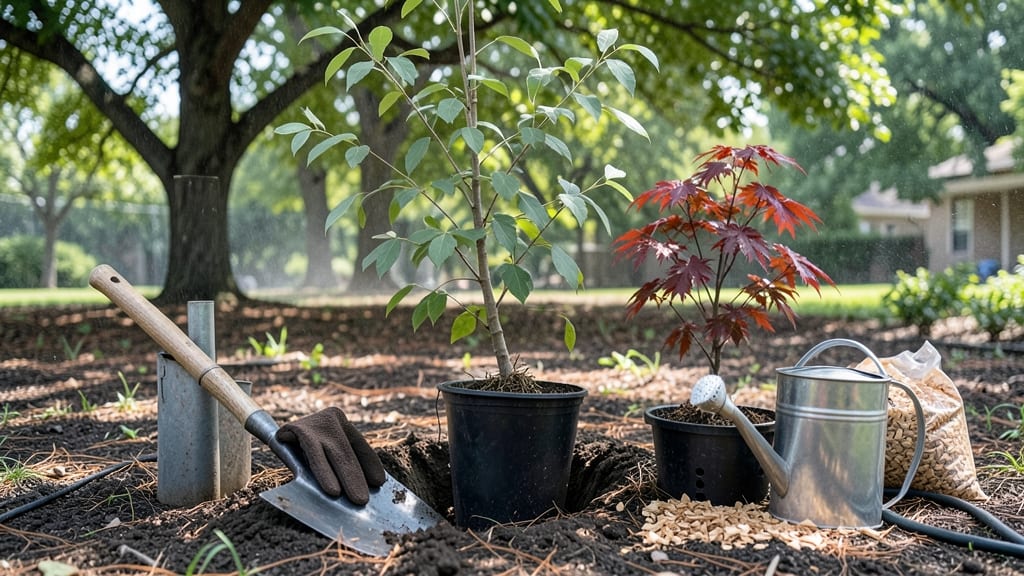
If you’ve ever wondered when is the best time to plant a tree in Colorado, the answer lies in not just the month, but the microclimate.
Colorado’s dramatic shifts from high-altitude freezes to Front Range heatwaves mean planting a tree in March on the Western Slope could spell disaster for a sapling in Denver.
I’ve spent years tracking Colorado State University’s planting data, and here’s the truth: timing isn’t one-size-fits-all. Whether you’re in the 5-7 USDA zones or dealing with late spring frosts, the right window can mean the difference between a 100-foot oak and a struggling sapling.
Let’s break down the science—and the secrets—so your 🌳 gets off to the strongest start.
You’ll discover how to read Colorado’s unpredictable weather cues, from soil moisture tests to frost-free deadlines. Spoiler: The best time isn’t always spring—for some species, fall planting outpaces spring by years of growth. Plus, I’ll share species-specific tricks to beat Colorado’s dry spells and wind.
Ready to plant with confidence? By the end, you’ll know exactly when to dig—whether you’re in Colorado Springs, the Rocky Mountains, or the arid Western Slope—and how to give your tree the fighting chance it deserves.
Colorado’s microclimate planting windows: Front Range vs. mountains vs. Western Slope
Colorado’s diverse elevations and microclimates mean there’s no one-size-fits-all answer for planting trees. The Front Range (Denver, Boulder) has a shorter frost-free season than the Western Slope (Grand Junction), while mountain zones (above 8,000 ft) face earlier freezes and drier soils.
Understanding these differences is key to giving your tree the best start.
For most of Colorado, the optimal planting window falls between late winter and early spring (March–April) or early fall (September–October). This timing aligns with soil moisture levels and temperature stability, reducing transplant shock.
However, high-altitude areas like Colorado Springs or Leadville may shift this window 2–4 weeks earlier due to colder nights.
Here’s how to match your planting schedule to Colorado’s three major regions, ensuring your tree’s roots establish before extreme heat or frost arrives.
If you’re planting in the Front Range, aim for late March to early April when soils are workable but not yet dry. This gives roots 4–6 weeks to establish before summer heat arrives.
For container-grown trees, you can extend this window slightly into May, but avoid planting after June 1—the risk of transplant shock from heat and drought skyrockets.
In high-altitude zones, like Colorado Springs or Estes Park, late winter planting (February–March) is ideal. The dormant season means trees use less water, and snowmelt naturally hydrates the soil. Just be prepared to mulch heavily to protect roots from temperature swings between day and night.
For the Western Slope, where summers are hotter and drier, fall planting (September–October) is your best bet. By then, soil moisture is still adequate, and trees can focus on root growth before winter. Avoid planting in November, as freezes can damage tender new roots.
One critical exception is bare-root trees, which must be planted during their dormant season. For most Colorado species, this means November through March. Check the label or ask your local nursery for species-specific timing—some, like Colorado blue spruce, handle dormancy planting better than others.
Remember: Timing isn’t everything, but it’s 80% of the battle. Pair the right window with proper soil prep, adequate watering, and wind protection (especially in exposed sites), and your tree will thank you with decades of growth.
Critical soil and weather factors that determine success (beyond just months)
Colorado’s unpredictable weather can turn even the best planting intentions into a gamble. I’ve seen late spring frosts wipe out newly planted saplings in May, while sudden heatwaves in June stress trees before their roots establish. The key? Reading the microclimate like a pro.
Your soil moisture is the first clue. In USDA Zone 5 (mountain regions), soils stay damp longer into spring, giving you a wider window. But in Zone 7 (Western Slope), drought can set in by April—so test soil moisture before planting.
Stick a trowel in: if it’s dry at 6 inches deep, wait.
🌱 Visual Element: Numbered Highlights 🌱
Don’t overlook wind exposure, either. In Denver’s urban canyons, gusts can desiccate young leaves. I’ve seen Russian olive trees thrive in exposed sites because their deep roots access moisture, but maples? They wilt without shelter. Use burlap windbreaks or plant near fences for the first year.
Pro tip: Fall planting in Colorado often outperforms spring because cooler temps and consistent soil moisture give roots a head start. But avoid planting after October 15 in Zone 5—early frosts can damage tender new growth.
Use a soil thermometer to confirm temps stay above 40°F for 30 days post-planting.
Even with perfect timing, post-planting care seals the deal. Water deeply every 5-7 days for the first month, then taper to bi-weekly once roots establish. And mulch with 3-4 inches of wood chips—this isn’t just for looks.
It regulates soil temps and reduces evaporation by 30% in Colorado’s dry air.
💧 Remember: The best planting window isn’t just about the calendar—it’s about soil readiness, weather patterns, and species resilience. Skip the guesswork: test, time, and tend like a local, and your tree will thank you for decades.