
Plants
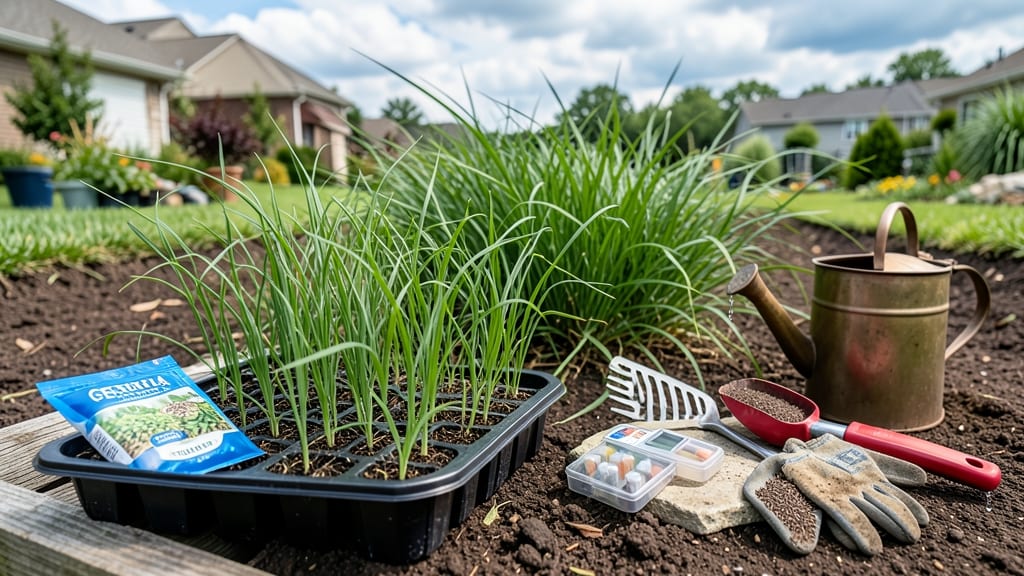
If you're dreaming of a lush, green lawn in Georgia, timing your grass planting is the game-changer—and getting it wrong could leave you with patchy results.
The best time to plant grass in Georgia isn’t just about the calendar; it’s about beating the heat, avoiding drought stress, and giving your 🌱 roots the perfect window to establish before winter sets in.
Georgia’s climate—especially in zones 7a-8b—means spring and fall are your two best shots. While many gardeners swear by fall planting (August-September), spring (March-April) has its perks too. The key? Understanding how temperatures, soil moisture, and even your grass type (cool-season vs. warm-season) play into the equation.
Let’s break down why fall often wins for Georgia lawns—and how to prepare your soil, choose the right seed, and avoid common pitfalls that turn promising starts into frustrating failures. Whether you’re seeding a new yard or overseeding an old one, these insights will help you skip the guesswork.
Ready to grow grass that thrives? I’ll walk you through the fastest, most reliable methods to get your lawn off to a strong start—no matter which season you choose.
Georgia’s ideal grass planting windows: spring vs fall breakdown
Georgia’s USDA zones 7a-8b create a unique challenge for lawn lovers: scorching summers and mild winters. The best time to plant grass in Georgia hinges on two key seasons—spring and fall—each offering distinct advantages.
While fall planting (August-September) is often recommended, spring (March-April) can also work if you act quickly. Let’s dive into why one season might edge out the other for your Georgia lawn.
Cool-season grasses like tall fescue and ryegrass thrive in Georgia’s fall, while warm-season varieties like Bermuda and Zoysia prefer spring. But timing isn’t just about the grass type—it’s also about soil temperature, rainfall patterns, and avoiding summer drought stress.
If you plant at the wrong time, your grass could struggle to establish roots before extreme heat or cold sets in.
Fall planting is generally the gold standard for Georgia because it allows grass to grow and strengthen its roots before winter dormancy. Spring planting, on the other hand, can be risky if you wait too long—by May, the heat and drought can stifle new growth.
Let’s compare the two seasons to help you decide which window works best for your yard.
Spring planting works best for warm-season grasses like Bermuda or Zoysia, which need the heat to germinate. However, if you plant too late (after April), your grass may struggle with Georgia’s intense summer heat and drought conditions.
The key is to get seeds in the ground by early April, giving them time to establish before temperatures rise.
Fall planting, however, is ideal for cool-season grasses like tall fescue, which thrive in Georgia’s mild autumn weather. Planting in August or September gives your grass time to grow strong roots before winter dormancy.
The cooler temperatures also mean less water stress and weed competition, making fall the preferred choice for most Georgia homeowners.
If you’re planting warm-season grasses in fall, you’ll need to overseed in late winter (February) to give them a head start before summer. For cool-season grasses in spring, focus on early March to avoid heat stress.
Either way, soil preparation is critical—test your soil’s pH (ideal: 6.0-7.0) and amend it with compost or lime if needed.
One common mistake? Waiting until late spring or early summer to plant. By then, Georgia’s heat and drought can turn your lawn into a patchy disaster. Instead, stick to the optimal windows—early spring or early fall—and give your grass the best chance to thrive.
With the right timing, you’ll be rewarded with a thick, green lawn that stands up to Georgia’s challenges.
Ready to dive deeper? In the next section, I’ll walk you through step-by-step soil prep and post-planting care to ensure your Georgia lawn gets off to the best possible start—no matter which season you choose.
How to prepare your Georgia lawn for fall planting success
Fall planting gives your Georgia lawn the best chance to establish deep roots before winter—but only if you prepare properly. The key starts with soil testing (aim for a pH of 6.0-7.0) and weed control before seeding.
Many Georgia gardeners skip this step, only to battle weeds that outcompete their new grass. Let’s walk through the critical prep steps to ensure your fall planting thrives.
First, aerate your lawn in late summer (July-August) to break up compacted soil and improve seed-to-soil contact. Use a core aerator (not just spike aerators) for best results. This step is especially important in Georgia, where heavy foot traffic and clay soils can suffocate new grass roots.
Follow up with overseeding in August-September when soil temps drop to 60-75°F—perfect for cool-season grasses like tall fescue.
Next, focus on weed prevention. Apply a pre-emergent herbicide like prodiamine in late summer to block crabgrass and other weeds. Skip post-emergent herbicides—they’ll kill your new grass too!
For existing weeds, spot-treat with vinegar or hand-pull them before seeding. A weed-free base means your grass won’t waste energy competing with invaders.