
Plants
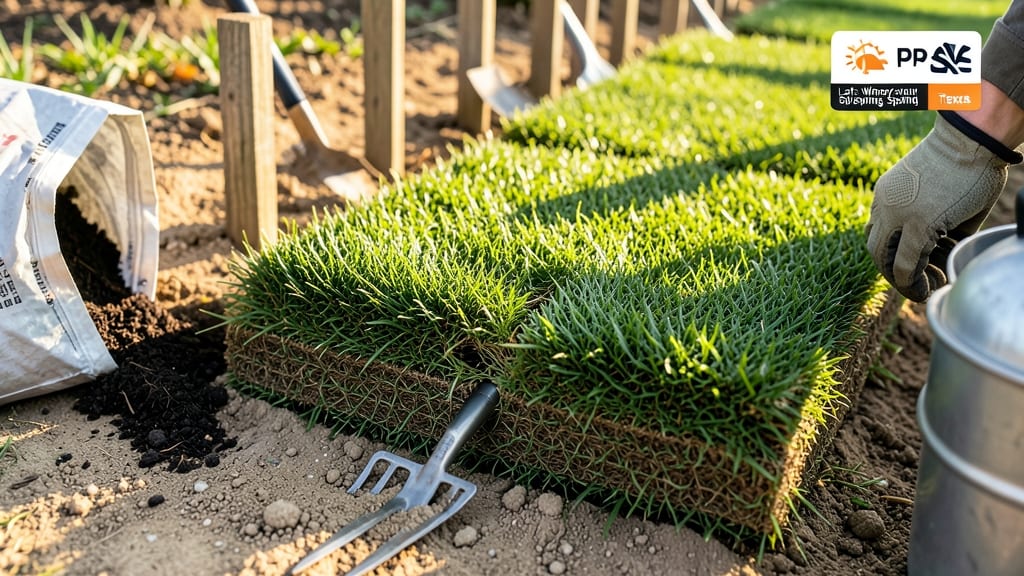
If you're dreaming of a lush, green lawn in Texas but unsure when to plant your sod, timing is everything. The wrong season could mean struggling with extreme heat, poor root growth, or even wasted money.
Texas’s climate—from North to South—makes fall or early spring the sweet spot for sod to thrive.
Picture this: you’ve just laid down your 🌱 sod, but instead of deep roots, your lawn wilts under the scorching Texas sun.
That’s why knowing the best time to plant isn’t just about avoiding heat—it’s about giving your grass the perfect conditions to establish strong roots before summer’s brutal dry spells. Let’s break down the science behind why fall and spring are your best bets.
Most Texas homeowners swear by planting in September or October when temperatures are mild, but early spring (February to April) works too—just avoid the peak summer months. Whether you’re in Zone 8a or 11, the key is soil warmth and consistent moisture.
I’ll show you exactly how to time it right for your region.
Ready to skip the guesswork? You’ll learn how to prep your soil, water like a pro, and even troubleshoot common mistakes—so your sod takes root fast and stays vibrant all year. Let’s get started!
Texas sod planting timeline: early spring vs. fall for optimal root development
Planting sod in Texas requires precise timing to avoid extreme heat or cold, which can stress your lawn and stunt root growth. The ideal soil temperature for sod establishment is between 60°F and 75°F.
In Texas, this typically aligns with early spring (February-April) and fall (September-October), but regional differences matter.
North Texas, with its cooler winters and hotter summers, benefits most from late winter to early spring planting. Meanwhile, South Texas’s milder winters allow for earlier spring or late fall planting. Understanding your USDA hardiness zone (8a-11) helps narrow down the best window for your specific location.
For deep root development, fall planting is often preferred because cooler temperatures reduce stress while allowing roots to establish before winter dormancy. However, early spring planting gives your lawn a head start for summer growth, especially if you’re dealing with drought-prone areas like West Texas.
Here’s how the two planting windows compare for Texas lawns:
| Factor | Early Spring (Feb-Apr) | Fall (Sept-Oct) |
|---|---|---|
| Soil Temperature | 55°F–75°F | 65°F–80°F |
| Root Growth Speed | Moderate (warmer soil) | Fast (ideal temps) |
| Water Needs | High (drying winds) | Moderate (cooler air) |
| Best For | Summer-ready lawns | Winter resilience |
| Texas Regions | North & Central | All regions |
In North Texas (Zones 7b-8a), aim for late February to early April to avoid late frosts, which can damage new sod. For Central Texas (Zones 8a-8b), March-April is ideal, while South Texas (Zones 9a-11) can start as early as January-February due to milder winters.
Fall planting in Texas offers a longer window—typically September through early November—giving you flexibility. The 60-day window before first frost ensures roots establish before winter dormancy. For example, in Dallas (Zone 8a), planting in late September gives roots time to grow before December’s first frost.
If you’re in West Texas (Zones 8b-9a), where summers are brutally hot, fall planting is critical. The 100°F+ temperatures of summer can bake sod roots, making spring planting risky unless you have shade and irrigation. Always check your local average last frost date to time planting perfectly.
For Bermuda grass, a popular Texas choice, late spring to early summer is ideal, but sodding in fall still works if you’re replacing an old lawn. St. Augustine, common in humid South Texas, thrives with fall planting to avoid summer stress. Zoysia, another drought-tolerant option, can handle spring or fall but prefers cooler temps.
Pro tip: Use a soil thermometer to confirm temps are in the 60°F–75°F range before planting. This small tool prevents costly mistakes, especially in transition zones like Austin or San Antonio, where spring can swing from 50°F to 90°F in weeks.
Once you’ve picked your window, focus on pre-planting prep—leveling the soil, testing pH (6.0–7.5), and setting up irrigation. Skipping these steps can lead to uneven growth or patches, even with perfect timing.
Texas sod planting timeline: early spring vs. fall for optimal root development
Choosing the right time to plant sod in Texas isn’t just about avoiding the heat—it’s about giving your grass the best chance to establish deep roots before extreme temperatures strike. Fall planting (September-October) is often the gold standard because cooler temps and consistent rainfall create ideal conditions.
But early spring (February-April) works too, especially in North Texas where winters are milder.
Your Texas region plays a huge role. North Texas (USDA Zones 7b-8a) can plant as early as February, while South Texas (Zones 9a-11) should wait until September to avoid summer’s brutal heat. Central Texas falls somewhere in between, with March-April or September-October being safest windows.
| Factor | Early Spring (Feb-Apr) | Fall (Sept-Oct) |
|---|---|---|
| Soil Temp | 60-75°F | 70-80°F |
| Rainfall | Moderate | High |
| Heat Stress Risk | Low (early spring) | Low (fall) |
| Root Growth Speed | Moderate | Fast |
| Best For | North/Central TX | All TX regions |
For deep root establishment, aim for soil temperatures between 60°F and 75°F.
In spring, this typically means waiting until mid-March in most of Texas, while fall’s cooler temps keep roots growing steadily through October. Bermuda grass and Zoysia thrive in these windows, but St. Augustine prefers the milder fall temperatures.
One key advantage of fall planting is that your sod gets a head start on spring’s growing season. By November, roots can be 4-6 inches deep, making your lawn far more drought-resistant when summer hits.
Spring planting still works, but you’ll need to water aggressively to prevent heat stress as temps climb above 85°F.
Pro tip: Use a soil thermometer to check depths of 4-6 inches before planting. If temps are consistently above 80°F, wait—your sod will struggle to establish. Fall planting gives you the best balance of moisture, temps, and growth for Texas lawns.
Remember, avoid summer planting unless you’re in the Rio Grande Valley, where cooler microclimates exist. For most Texans, September-October is the sweet spot for lush, deep-rooted sod that survives our harsh summers.