
Plants
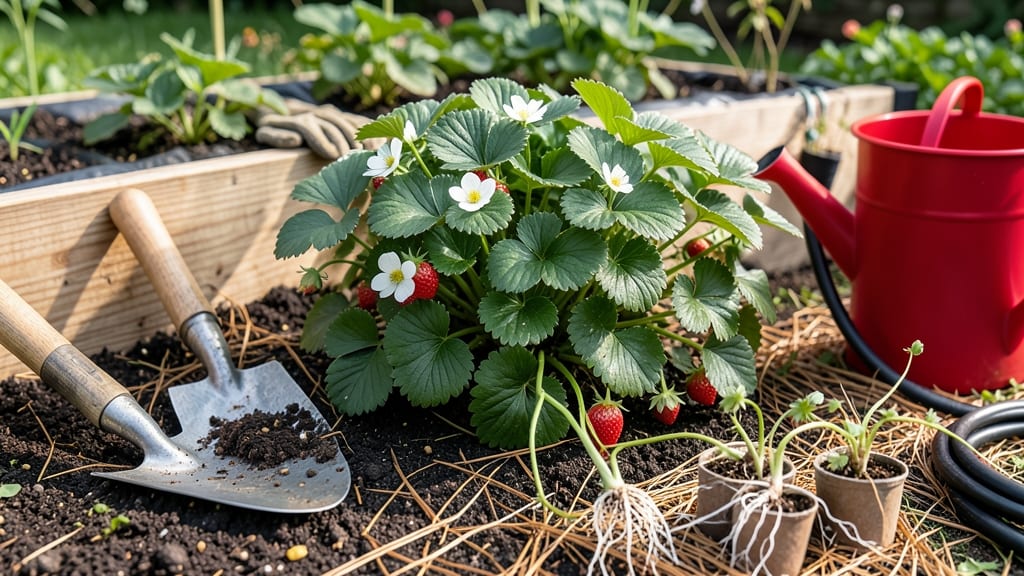
If you’ve ever planted strawberries in Florida only to watch them wilt under the summer sun or rot in the humidity, you’re not alone—timing is everything.
The best time to plant strawberries in Florida isn’t a one-size-fits-all answer, but getting it right means the difference between a bountiful harvest and a sad, shriveled 🍓 pile.
Florida’s climate is a double-edged sword: no frost in most areas but brutal heat waves that can fry tender plants. That’s why the optimal months depend on where you live—North Florida’s cooler winters vs. South Florida’s year-round warmth.
Whether you’re in USDA Zone 8a or 11, I’ll break down the exact windows to plant for maximum success, plus how to protect your crop from pests and heat stress.
You’ll also discover which strawberry varieties thrive in Florida’s heat, how to prep your soil for better drainage, and why mulching isn’t just a nice-to-have—it’s a survival tactic. Skip the guesswork and plant with confidence, so you can enjoy homegrown strawberries from late winter straight through summer.
Ready to turn your garden into a strawberry paradise? Let’s dive into the microclimate-specific deadlines that’ll keep your plants happy—and your harvests plentiful—no matter where in Florida you’re growing.
Florida’s 3 microclimate planting Zones for strawberries (with exact deadlines)
Florida’s diverse microclimates mean your strawberry planting window could be a 6-month difference depending on where you live. North Florida’s cooler winters (USDA Zones 8a-9a) allow fall planting, while South Florida’s year-round warmth (Zones 10a-11) demands spring or late summer strategies.
Even within these zones, urban heat islands can shift your ideal timing by 2-4 weeks.
Let’s break down the exact deadlines for each zone, including soil prep timing and frost risk adjustments. North Florida gardeners should aim for September–October planting to avoid winter cold snaps, while South Florida’s November–January window aligns with cooler, drier months.
Central Florida sits in the middle, offering a 3-month overlap for flexibility.
🌱 Key Insight: Florida’s humidity and heat make bare-root plants riskier than potted strawberries—especially in South Florida. Potted plants give you 2-3 extra weeks of control over transplanting timing.
| Zone | Planting Window | Soil Prep Deadline | Frost Risk | Best Plant Type |
|---|---|---|---|---|
| North Florida (Zones 8a-9a) | September 15–October 15 | August 1–September 1 | Low (Dec 15–Jan 15) | Bare-root or potted |
| Central Florida (Zones 9b-10a) | October 1–November 15 | September 1–October 1 | None (rare) | Potted (recommended) |
| South Florida (Zones 10b-11) | November 1–January 31 | October 1–November 1 | None | Potted or everbearing |
| Urban Heat Islands (All Zones) | Shift window 2–4 weeks later | Adjust prep by 2 weeks | Higher heat stress | Shade cloth + potted |
For North Florida, soil prep starts in August—amend your beds with compost and peat moss to improve drainage, as winter rains can cause root rot. Central Florida gardeners should focus on mulching (straw or pine needles) to retain moisture during dry winters.
In South Florida, shade cloth (30-50%) becomes essential during December–February to prevent heat stress on new plants.
If you’re in an urban heat island, delay planting by 2-4 weeks and use reflective mulch (like white gravel) to lower soil temperatures. Container gardening also helps—pots heat up 5-10°F faster than ground soil, so bury them halfway in the ground to stabilize temperatures.
Pro Tip: Test your soil’s pH (5.5–6.5) before planting. Florida’s sandy soils often need sulfur or peat moss to lower pH, while limestone-rich areas may require elemental sulfur. 🌱
Missed the fall window? Spring planting (March–April) is your second chance, but avoid June–August entirely—heat stress and pests will destroy your crop. Even South Florida’s year-round growing season has a hidden sweet spot: late summer (August–September) for everbearing varieties.
Now that you’ve got your zone-specific deadlines, let’s tackle extending your harvest season—because Florida’s humidity and heat can shorten your strawberry window if you’re not careful.
How to extend your strawberry season in Florida (avoiding heat stress & pests)
Extending your strawberry season in Florida isn’t just about planting at the right time—it’s about protecting your plants from the elements. While fall and winter offer the best conditions, heat stress and pests can still ruin your harvest if you don’t act.
My top strategy? Mulching and shade cloth to keep roots cool and fruit from rotting under Florida’s intense sun.
For North Florida, aim to plant in September or October to avoid early frost risks (yes, they do happen!). Use straw or pine mulch to insulate roots and retain moisture.
In South Florida, where summers are relentless, plant in late spring (April–May) and use 50% shade cloth during peak heat (11 AM–3 PM) to prevent sunscald on berries.
🚨 CRITICAL WARNING: Anthracnose fungus thrives in Florida’s humidity. If you see black spots on leaves or fruit, act fast—remove infected plants immediately and apply copper fungicide every 2 weeks. Spider mites are another silent killer; spray plants with neem oil weekly during dry spells to keep them at bay.
⚠️ Heat Stress Red Flags
- Wilting leaves even with water
- Yellowing fruit before ripening
- Crispy edges on leaves (sunburn)
Solution: Move plants to partial shade (30–50%) and water deeply at soil level (not overhead) to avoid fungal growth.
Drip irrigation is a game-changer for Florida growers. It delivers water directly to roots, reducing fungal diseases and saving time. Pair it with a timer set to water early morning (5–7 AM) to let foliage dry before humidity peaks.
Avoid overhead sprinklers—they spread botrytis rot faster than you can say "strawberry jam."
Companion planting is another secret weapon. Interplant strawberries with basil, thyme, or marigolds to repel pests naturally. Basil alone can reduce spider mite populations by 50%! Just avoid planting near tomatoes or peppers, which compete for nutrients and attract similar pests.
Finally, don’t underestimate the power of container growing. If your yard is too hot, use black plastic pots (they absorb heat) and fill them with a mix of peat moss, perlite, and compost.
Move containers to a shaded patio during afternoon heat waves. With these tactics, you can enjoy strawberries from January through May—no matter where in Florida you garden.