
Plants
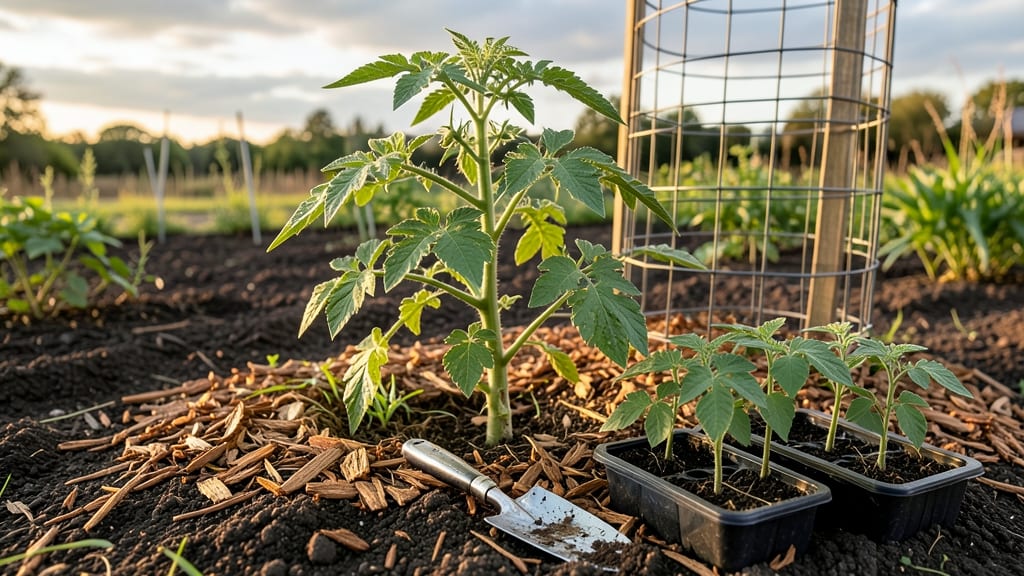
If you've ever planted tomatoes in Texas only to watch them wilt under the blazing sun or struggle through late frosts, you know timing is everything for a successful harvest.
The best time to plant tomatoes in Texas depends on where you live—whether you're battling North Texas freezes or South Texas heatwaves—but getting it right means juicy, vine-ripened 🍅s all season long.
Most Texas gardeners wait until after the last frost date, typically between late February and early April, but soil temperature matters just as much. Planting too soon when the ground is still chilly can stunt growth, while waiting too long risks exposing young plants to scorching conditions.
I'll break down the exact windows for your region and share the heat-resistant varieties that thrive when others fail.
What you'll discover here goes beyond just dates—it's about working with Texas' unpredictable climate. From succession planting to container gardening hacks, these strategies help you stretch your harvest from summer straight into fall. Let’s dive into the science and secrets that turn "maybe this year" into "best tomatoes ever."
Whether you're a first-time gardener or a seasoned grower, these insights will help you avoid common pitfalls and maximize your yield. Ready to grow tomatoes that actually make it to harvest? Let’s get started.
Texas tomato planting calendar: exact months by region (north vs. south vs. central)
Texas's diverse climate means your tomato planting window depends entirely on your region. In the Panhandle and North Texas, frost can linger until mid-March, while South Texas and the Gulf Coast enjoy frost-free conditions by January.
Even a few degrees difference can mean the difference between thriving plants and lost harvests.
For all Texas gardeners, the golden rule is: wait until soil temperatures hit 60°F (15°C)—a must for seed germination and root development. Cold soil slows growth, leaving plants vulnerable to early blight and other diseases. Use a soil thermometer to check before planting.
Here’s how to time your tomato planting by region for maximum yield and heat resilience:
| Region | Last Frost Date | Best Planting Window | Soil Temp Requirement | Heat-Tolerant Varieties |
|---|---|---|---|---|
| North Texas (Dallas, Fort Worth) | Mid-March | Late March–Early April | 60°F+ (15°C+) | Heatmaster, Arkansas Traveler |
| Central Texas (Austin, San Antonio) | Early March | Mid-March–Early April | 60°F+ (15°C+) | Solar Fire, Celebrity |
| South Texas (Houston, Corpus Christi) | Late January–Early February | February–March | 65°F+ (18°C+) | Heatmaster, Sun Gold |
| Gulf Coast (Beaumont, Galveston) | December–January | January–February | 65°F+ (18°C+) | Solar Set, Mountain Merit |
| Panhandle (Amarillo, Lubbock) | Mid-April | Late April–Early May | 60°F+ (15°C+) | Arkansas Traveler, Mountain Spring |
If you’re in North Texas, don’t rush to plant—waiting until after the last frost (usually mid-March) ensures your seedlings aren’t fried overnight. In South Texas, you can start as early as January, but beware of humidity-related diseases like early blight.
For container gardening, warm up pots with black plastic mulch a few days before transplanting.
For succession planting, sow a second batch of
Texas tomato planting calendar: exact months by region (north vs. south vs. central)
Texas spans 11 USDA hardiness zones, and each region has its own ideal planting window for tomatoes. In North Texas (Zones 7-8), like Dallas and Fort Worth, the last frost typically hits between February 15 and March 15.
But don’t rush—wait until soil temperatures reach at least 60°F, usually by late March or early April.
For Central Texas (Zones 8-9), including Austin and San Antonio, frost is rare after mid-February. You can plant as early as late February if you use frost cloth, but aim for March 15–April 15 for best results.
The key here is avoiding spring heatwaves, which can stress young plants.
In South Texas (Zones 9-10), like Houston and the Rio Grande Valley, frost is almost nonexistent. Start planting as early as February, but focus on late February–March to avoid extreme heat that can scorch seedlings. The Gulf Coast’s humidity also increases disease risks, so choose disease-resistant varieties.
| Region | Last Frost Date | Ideal Planting Window | Soil Temp Requirement | Key Challenge |
|---|---|---|---|---|
| North Texas (Dallas, Fort Worth) | Feb 15–Mar 15 | Late March–Early April | 60°F+ | Late frosts |
| Central Texas (Austin, San Antonio) | Mid-February | March 15–April 15 | 60°F+ | Spring heatwaves |
| South Texas (Houston, Gulf Coast) | Rare | Late February–March | 65°F+ | Humidity & disease |
If you’re in the Texas Panhandle (Zones 7-8), like Lubbock or Amarillo, wait until mid-April to plant outdoors. These areas experience colder nights and stronger winds, so use black plastic mulch to warm the soil faster.
For container gardening, start seeds indoors 6–8 weeks before your region’s last frost date.
Pro tip: Use a soil thermometer to confirm readiness—tomatoes won’t thrive in cold soil. If temperatures drop below 50°F, cover seedlings with row covers or frost cloth at night. This simple step can save your plants from chilling injury, which stunts growth permanently.
For a longer harvest, try succession planting: sow new seeds every 2–3 weeks after your first planting. This ensures a steady supply of tomatoes from summer to fall, even as temperatures climb. Just remember—heat-loving varieties like 'Solar Fire' handle Texas summers better than traditional types.