
Vegetables
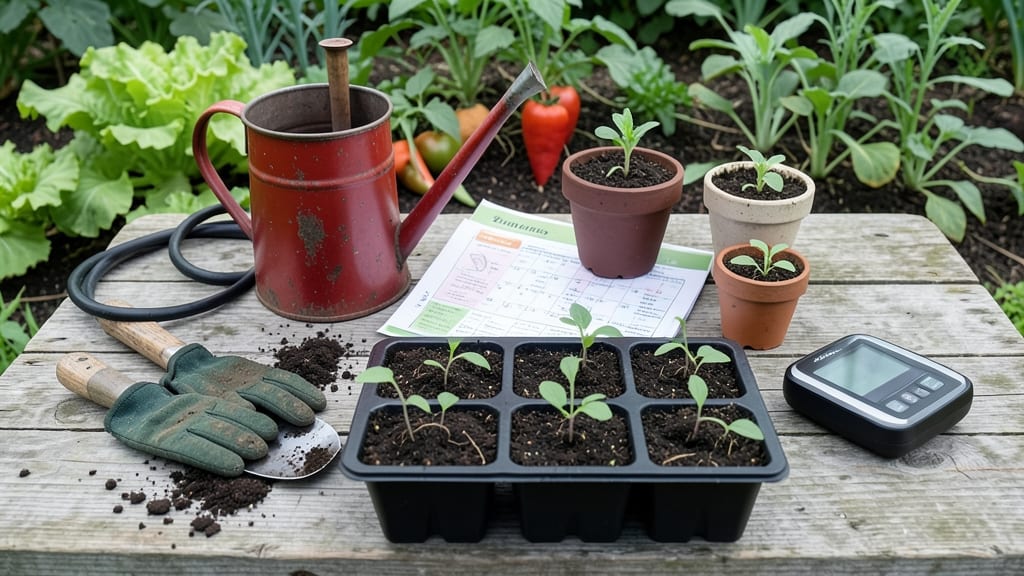
The best time to plant vegetables in California isn’t just about the calendar—it’s about understanding your microclimate. Coastal areas like San Francisco thrive with cool-season crops in fall and winter, while inland valleys like the Central Valley can handle warm-season planting as early as February. Get this wrong, and your 🥕 could bolt before harvest—or worse, never sprout at all.
California’s 9-11 USDA zones mean frost dates vary wildly: coastal regions rarely see freezing temps, while inland areas can drop below 32°F in winter. That’s why timing matters—cool-loving greens like kale and broccoli need those chilly months, while tomatoes and peppers crave the heat of spring and summer.
Here’s the game-changer: whether you’re in foggy Santa Barbara or the scorching Central Valley, I’ll break down the exact planting windows for your region. No more guesswork—just a year-round harvest of the freshest veggies you’ve ever grown.
Ready to ditch the trial-and-error? Let’s dive into the coastal vs. inland planting secrets that’ll transform your garden from so-so to spectacular.
California coastal planting calendar: microclimates and frost-free zones
California’s coastal regions—think San Francisco, Santa Barbara, and Los Angeles—enjoy mild winters and cool summers, but their unique microclimates can drastically alter planting windows. Unlike inland areas, coastal zones rarely experience frost, giving you a longer growing season for cool-season crops like broccoli and spinach.
However, the Pacific Ocean’s fog can delay germination and stunt growth if you’re not careful.
For warm-season vegetables such as tomatoes and peppers, coastal gardeners must time plantings to avoid heat stress during summer months.
The key is understanding your local frost-free dates—typically between December and March in Northern coastal areas—and adjusting for urban heat islands that can raise temperatures in cities like LA by 5-10°F.
Here’s the golden rule: Plant cool-season crops in fall (September-November) and early spring (February-March), while warm-season crops thrive when soil temperatures hit 60°F+, usually by late April to early May.
Coastal gardeners can even squeeze in a second planting of warm-season crops in late July for a fall harvest.
If you’re gardening in urban coastal areas, like San Francisco’s Mission District, expect warmer microclimates due to buildings and pavement. These spots can support earlier plantings of warm-season crops by 2-3 weeks compared to rural coastal zones.
Always check your local USDA Zone (9-11) and monitor soil temperatures—a simple soil thermometer is your best friend.
For coastal gardeners, succession planting is your secret weapon. Instead of one big planting, stagger seeds every 2-3 weeks to ensure a steady harvest. For example, plant lettuce every 14 days from September through March to avoid bolting (when greens go to seed prematurely due to heat).
This tactic works especially well for fast-growing crops like radishes and spinach.
Don’t overlook the power of mulching in coastal gardens. A 2-3 inch layer of straw or wood chips retains moisture, regulates soil temperature, and suppresses weeds—critical when foggy mornings give way to sunny afternoons.
Organic mulch also improves soil structure over time, making it easier to grow heavy feeders like broccoli and Brussels sprouts.
One common mistake coastal gardeners make is planting warm-season crops too early. Even in Santa Barbara’s warmer microclimate, tomatoes planted in March may struggle with cooler soil temperatures and slow germination.
Wait until late April when soil temps consistently stay above 60°F for at least a week. Use a seedling heat mat if you’re impatient!
Pro tip: Coastal gardeners can grow year-round with the right planning. Start winter squash in late July for a fall harvest, or plant garlic in November for a summer crop. The key is matching your crop’s heat tolerance with your local climate.
For instance, ‘Black Krim’ tomatoes handle coastal heat better than ‘Cherry Tomatoes’, which may need afternoon shade in Los Angeles during peak summer.
Finally, embrace seasonal adjustments. If you notice your spinach bolting in March, it’s a sign to switch to warm-season crops like cucumbers or basil. Pay attention to leaf color and growth patterns—they’re your garden’s way of communicating what it needs.
With these coastal-specific strategies, you’ll turn your garden into a year-round harvest machine.
Inland California planting schedule: heat zones and water-saving strategies
If you garden in inland California, your planting schedule hinges on heat zones and water conservation. Unlike coastal areas, inland regions like the Central Valley and desert foothills experience extreme temperature swings—scorching summers and surprisingly chilly winters.
This means warm-season crops like tomatoes and peppers can go in as early as February, while cool-season crops thrive from September to November.
One of the biggest mistakes inland gardeners make? Planting heat-sensitive crops like lettuce or spinach too late in spring. By May, daytime temps can soar past 90°F, causing bolting or bitter flavors.
Instead, focus on drought-tolerant varieties like zucchini, black-eyed peas, or okra, which handle the heat better. Mulching with straw or wood chips is non-negotiable—it locks in moisture and keeps roots cool.
Here’s the key difference between inland and coastal planting: while coastal gardeners can squeeze in year-round harvests, inland gardeners must work with shorter, more intense growing seasons.
That’s why succession planting is your best friend. For example, sow bush beans every 2-3 weeks from March to July to ensure a steady supply before the heat peaks.
| Crop | Inland Planting Window | Coastal Planting Window | Heat Tolerance |
|---|---|---|---|
| Tomatoes | March–April or September–October | February–March or August–September | High (but avoid midday sun) |
| Peppers | April–May or August–September | March–April or July–August | Very High (thrive in heat) |
| Lettuce | September–November (or spring with shade) | January–March or September–November | Low (bolts in heat) |
| Squash | March–April or August–September | February–March or July–August | Moderate (needs consistent water) |
| Beans (Bush) | March–July (succession plant) | February–June (succession plant) | High (drought-tolerant) |
Water-saving strategies are non-negotiable in inland California. Drip irrigation is your best bet—it delivers water directly to roots, reducing waste by up to 30%. Pair it with mulch to retain moisture, and avoid overhead watering, which evaporates quickly in the dry heat.
For container gardens, use self-watering pots or bury containers partially in the ground to stabilize temps and conserve water.
Don’t overlook the power of shade cloth for summer plantings. Even 30% shade can protect heat-sensitive crops like cucumbers or basil from wilting.
And here’s a pro tip: plant heat-loving crops like eggplant or okra in late spring when soil temps hit 70°F—they’ll reward you with bold flavors and fewer pests.
Inland gardeners also need to watch for soil overheating. Use black plastic mulch to warm soil faster in spring, but switch to white mulch in summer to reflect sunlight and keep roots cool.
And remember: evening watering can lead to fungal issues, so stick to morning irrigation to give plants a dry start to the day.