
Plants
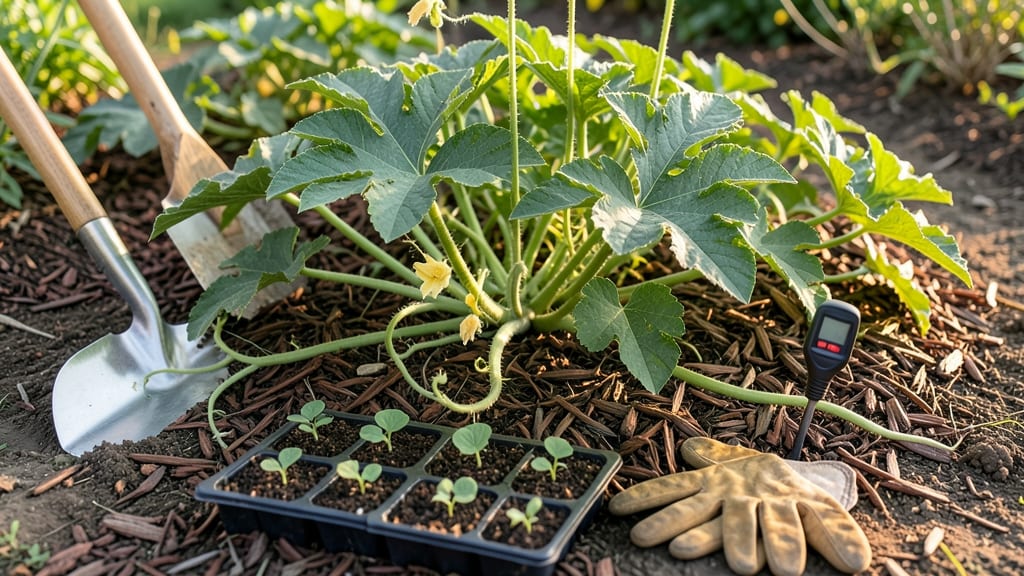
Texas watermelon planting calendar: exact dates for peak harvests by region
Texas spans three distinct growing zones, each with unique frost-free dates and soil temperature thresholds. For watermelons, the ideal soil temp is 75°F+, and planting too early risks frost damage to young vines.
Let’s break down the perfect planting windows by region to maximize your harvest size and fruit quality.
North Texas (USDA Zones 7b-8a, e.g., Dallas, Fort Worth) has the earliest frost risk—last frost typically hits mid-March, but soil warms slowly.
South Texas (Zones 9a-10b, e.g., Corpus Christi, Brownsville) can plant as early as February, while Central Texas (Zones 8a-9a, e.g., Austin, San Antonio) falls in between. Summer planting is also key for a second harvest before fall frosts.
| Region | USDA Zone | Spring Planting Window | Summer Planting Window | Soil Temp Threshold | First Frost Risk |
|---|---|---|---|---|---|
| North Texas | 7b-8a | Mid-April to early May | Late July to early August | 75°F+ (use black plastic mulch) | Mid-November |
| Central Texas | 8a-9a | Late March to mid-April | Early July to mid-August | 70°F+ (soil warms faster) | Late October to early November |
| South Texas | 9a-10b | February to early March | June to early July | 65°F+ (earlier starts possible) | Early December |
For North Texas gardeners, wait until after Mother’s Day (mid-May) to plant outdoors—soil temps finally hit 75°F+. Use black plastic mulch to warm the soil 2-3 weeks faster and extend your planting window.
In Central Texas, aim for late March when nighttime temps stay above 55°F, but cover young plants with frost cloth if late frosts linger.
South Texas’s longer growing season lets you plant as early as February, but heat stress in summer can stunt growth.
Opt for heat-tolerant varieties like Sugar Baby or Crimson Sweet, and mulch heavily to retain moisture. Summer planting (June-July) gives a second harvest before fall, but prioritize drip irrigation to avoid fungal diseases in humid conditions.
Pro tip: Check the Texas A&M AgriLife Extension frost-free date maps for your exact county. Even within regions, microclimates (e.g., urban heat islands) can shift planting by 1-2 weeks. For example, San Antonio’s hill country may need 1 week later than downtown due to cooler nights.
Timing isn’t just about planting dates—it’s also about harvest windows. Spring-planted melons in North Texas may ripen by late July, while South Texas summer plantings can yield until October.
Plan ahead: Succession plant every 2 weeks in spring for a continuous harvest, or stagger summer plantings to avoid overcrowded vines.
One critical mistake I see? Planting too close to summer’s peak heat (August in North Texas). Vines wilt under 100°F+ without shade cloth or afternoon watering. Instead, aim for late July in the north—this gives melons 8-10 weeks to mature before fall frosts.
Use a soil thermometer to confirm 75°F+ before planting. In containers, soil heats up faster—plant 1-2 weeks earlier than in-ground. And if you’re direct-sowing seeds (not transplanting), start 1 inch deep, 12 inches apart, with 3 feet between rows to prevent powdery mildew.
🌱
3 Critical mistakes that ruin Texas watermelon harvests (and how to fix them)
Even in Texas’s warm climate, watermelon plants need precise care to thrive. I’ve seen gardeners lose entire harvests by making these three common mistakes—let’s fix them before your next planting.
First, planting too early in cooler zones like North Texas (USDA 7b-8a) risks frost damage. Watermelons won’t germinate below 70°F soil, and seedlings can’t survive below 55°F. Waiting until mid-April in these areas ensures safe growth.
Ignoring soil prep is another silent killer. Texas soils often lack organic matter, leading to poor drainage and nutrient deficiencies. Amend your beds with 2-3 inches of compost and test your pH (6.0–7.0)—watermelons hate acidic soil. A simple lime application can save your harvest.
⚠️ Critical Mistake: Overcrowding Vines
Watermelon vines need 6-10 feet of spread—packing them too close (3 feet apart) leads to stunted fruit and disease. Thin seedlings early to avoid competition, or use trellises for dwarf varieties to save space.
Fix: Space plants 4-6 feet apart in rows 8 feet apart for proper airflow and sunlight.
Third, skipping mulch in Texas’s intense sun causes soil moisture to evaporate quickly. Black plastic mulch raises soil temps by 10°F+ and suppresses weeds—critical for watermelons that need consistent moisture during fruit development.
Finally, overwatering at night invites fungal diseases like powdery mildew. Always water early morning (before 8 AM) to let foliage dry quickly. Use drip irrigation to keep leaves dry and soil evenly moist.
By avoiding these mistakes, you’ll enjoy bigger, sweeter watermelons with fewer pests and diseases. Start with well-prepped soil, proper spacing, and smart watering—your harvest will thank you!