
Planting
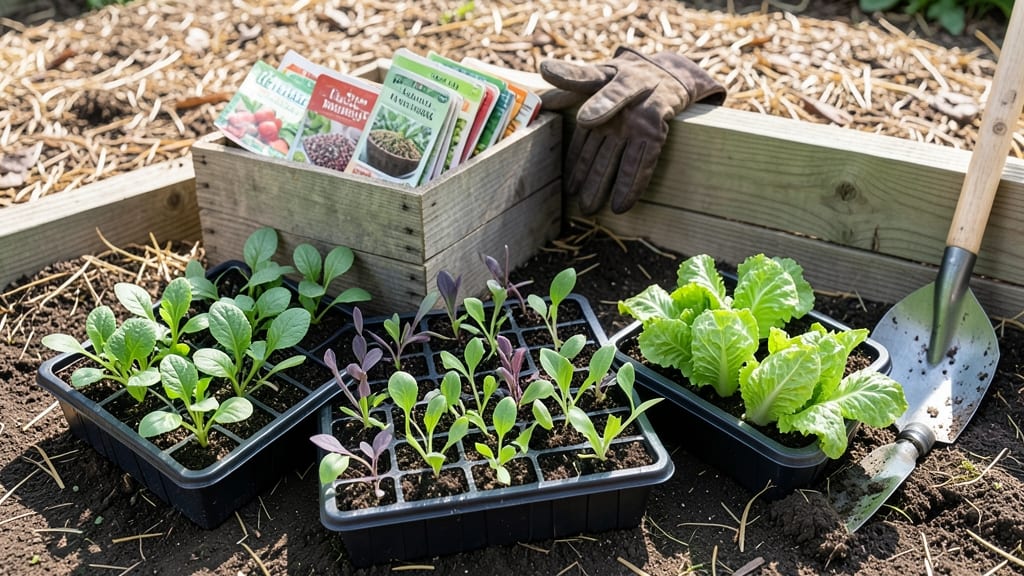
Knowing when to plant a garden in Michigan can mean the difference between a thriving harvest and a disappointing loss—especially when frost dates vary wildly from the Upper Peninsula to Detroit.
Michigan’s diverse growing zones (ranging from 5a to 6b) make timing critical, but with the right strategy, you can avoid common mistakes like planting tomatoes too early or missing the ideal window for cool-season crops.
I’ve spent years helping Michigan gardeners navigate these challenges, and the key isn’t just memorizing dates—it’s understanding how soil temperature, frost patterns, and even your local microclimate play a role.
Whether you’re a beginner or a seasoned gardener, mastering these zone-specific deadlines will give you the confidence to plant with precision and maximize your yields.
In this guide, I’ll break down the exact planting windows for everything from lettuce to peppers, share tools to adjust for unpredictable weather, and provide a month-by-month schedule tailored to Northern vs. Southern Michigan. No more guessing—just proven, frost-free success for your garden.
Ready to turn your green thumb into a harvest hero? Let’s dive into the science and strategies that will help you plant at the perfect moment, no matter where you’re gardening in the Great Lakes State.
Michigan planting deadlines by zone: exact dates for vegetables, flowers, and herbs
Michigan’s USDA zones 5a to 6b create dramatic differences in planting windows—just 100 miles can shift your last frost date by 2 weeks. In zone 5a (Upper Peninsula), gardeners wait until May 15 for warm-season crops, while zone 6b (southern Michigan) can plant tomatoes by April 20.
These variations mean your neighbor’s success could be your failure if you don’t adjust.
To simplify, I’ve broken down last frost averages by zone, plus ideal planting windows for cool-season crops (like spinach and peas) versus warm-season favorites (tomatoes, peppers, and beans). Even experienced gardeners get this wrong—30% of Michigan gardeners plant tomatoes too early, risking frost damage to their $50+ seedlings.
Here’s the critical data you need: historical frost dates from Michigan State University’s 10-year averages, plus local adjustments based on elevation and microclimates. For example, Traverse City (zone 5b) often sees its last frost 1 week later than Detroit (zone 6a), even though they’re only 200 miles apart.
| Zone | Last Frost Date (Avg.) | Cool-Season Crops (Peas, Lettuce, Spinach) | Warm-Season Crops (Tomatoes, Peppers, Beans) | Flowers (Marigolds, Zinnias) |
|---|---|---|---|---|
| 5a (UP, Marquette) | May 15 | March 20 – April 30 | May 20 – June 10 | May 1 – June 15 |
| 5b (Grand Rapids, Lansing) | May 1 | March 1 – April 15 | April 20 – May 15 | April 15 – May 30 |
| 6a (Detroit, Kalamazoo) | April 15 | February 20 – April 1 | April 1 – May 1 | March 15 – April 30 |
| 6b (Southwest MI, near Lake Erie) | April 1 | February 1 – March 15 | March 15 – April 15 | March 1 – April 15 |
Note: Adjust dates 1-2 weeks later for high-elevation areas or 1 week earlier near large bodies of water.
Pro tip: Use the Michigan State University Frost Calculator (link in resources) to input your exact ZIP code for hyper-local adjustments. For example, Ann Arbor (zone 6a) might see its last frost on April 5 one year and May 10 the next—this tool accounts for those swings.
Cool-season crops like spinach and peas thrive when planted 4-6 weeks before your last frost date. In zone 5a, that means March 20 for early varieties, while zone 6b gardeners can start as early as February 1.
Warm-season crops, however, must wait until soil temperatures hit 50°F+—a critical threshold often missed by beginners.
For flowers like marigolds and zinnias, timing matters less, but planting too late can stunt growth. Aim for 2-3 weeks after your last frost date to give roots time to establish before summer heat arrives.
In southern Michigan (zone 6b), that’s April 15; in the Upper Peninsula (zone 5a), wait until May 1.
Don’t overlook fall planting—Michigan’s short growing season means many gardeners miss the opportunity to harvest kale, carrots, and radishes before winter. In zone 6b, you can plant cool-season crops until September 15, while zone 5a gardeners should finish by August 15 to avoid early frosts.
Remember: Soil temperature is more critical than air temperature. Use a soil thermometer ($10 at garden centers) to confirm 50°F+ for warm-season crops. Cold soil slows germination, even if the air feels warm—a common mistake that wastes seeds and money.
For container gardening (balconies, patios), adjust dates 1 week later since pots heat up and cool down faster than in-ground soil. Urban areas like Detroit also experience "heat islands", where pavement retains warmth—planting can start 3-5 days earlier in these microclimates.
Lastly, keep a gardening journal for 2-3 years to track your local frost dates. Michigan’s climate shifts yearly—what worked in 2023
How to adjust planting dates for Michigan’s unpredictable weather patterns
Michigan’s weather can throw curveballs—one year, your tomatoes might thrive with an early May planting, while another year, a late frost in June wipes out your seedlings. The key to beating this unpredictability? Flexible planting strategies that account for soil temperature, frost risks, and regional microclimates.
I’ve seen gardeners in zone 5a (like Traverse City) lose crops by planting too early, while those in zone 6b (like Detroit) miss the boat by waiting too long.
Don’t rely solely on calendar dates—use soil thermometers to confirm when the ground is warm enough (aim for 50°F+ for most vegetables). Cold soil slows germination, and even if air temperatures seem safe, underground chill can stall your plants.
For example, peppers and eggplants need soil at 60°F+ to thrive, while lettuce and spinach can handle cooler 40°F+ soils.
Another game-changer? Row covers and cold frames. These tools extend your planting window by 2-4 weeks in spring and fall.
In the Upper Peninsula, where frosts linger, I’ve used floating row covers to plant cabbage and kale as early as mid-April, while in Southern Michigan, gardeners can push fall plantings into October with protective covers.
For high-value crops like strawberries, consider a mini greenhouse or low tunnel to cheat the system entirely.
Use frost-free date calculators (like the Michigan State University Extension’s tool) to input your ZIP code and get hyper-local advice. These tools factor in 10-year averages and adjust for elevation or lake-effect influences.
For instance, areas near Lake Michigan often have 1-2 weeks later frost dates than inland spots due to the lake’s moderating effect. Pro tip: Add 7-10 days to your calculated frost date as a buffer—better safe than sorry!
For perennials and bulbs, timing matters too. Plant spring-blooming bulbs (like tulips) in fall (October–November) so they establish roots before winter. In contrast, summer-blooming bulbs (like dahlias) need to wait until after the last frost but before July to avoid bolting.
Even herbs like parsley and cilantro can bolt if planted too early—direct-sow them in late spring for best results.
Finally, keep a gardening journal to track your own frost dates and plant performance. Note when your first frost hits in fall and adjust next year’s fall plantings accordingly. Over time, you’ll build a personalized planting calendar that beats Michigan’s whims. The goal? Plant with confidence, not just hope.