
Plants
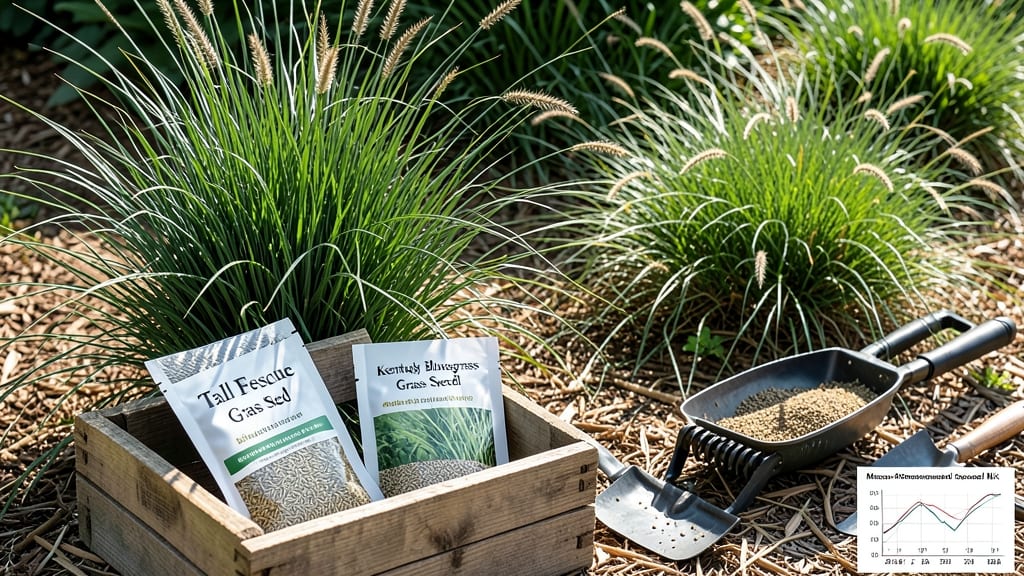
Planting grass seed in Missouri at the wrong time can turn your dream of a lush lawn into a frustrating gamble—especially when unpredictable weather throws off your timing. Whether you're in the cooler northern regions or the slightly warmer southern parts of the state, getting the window right means the difference between fast, thick growth and wasted effort.
Missouri’s 5b-6b zones demand precision, and the ideal planting windows—early spring (March-April) or early fall (September-October)—aren’t just arbitrary dates. Soil temperatures, frost risks, and even rainfall patterns play a role in determining when your 🌱 turfgrass will take root and thrive.
Skipping these details could leave you battling thin patches or slow germination.
But here’s the good news: with the right timing and prep, you can establish a lawn that’s not just beautiful but resilient against Missouri’s challenges—whether it’s drought, heat, or late frosts.
I’ll walk you through the exact deadlines for your zone, soil prep secrets, and post-planting care to ensure your grass grows fast and stays thick all season.
Ready to transform your yard? Let’s dive into the zone-specific deadlines and strategies that’ll make your lawn the envy of the neighborhood—without the guesswork.
Missouri grass seed planting deadlines by Zone: Northern vs southern Missouri
Missouri’s two distinct growing zones—Northern (5a-6a) and Southern (6b-7a)—dictate your grass seed planting windows. In the North, cool-season grasses like tall fescue and Kentucky bluegrass thrive when soil temps hit 50°F+, typically mid-March to early April.
Southern Missouri’s milder winters allow a slightly extended window, from late February to mid-April.
For early fall planting, aim for September to early October in both zones. This gives grass roots time to establish before the first frost, which hits mid-October in the North and late October in the South.
Warm-season grasses like Bermuda or zoysia should wait until late April to May when soil temps exceed 65°F.
Here’s how to adjust for late frosts or drought risks:
| Zone | Spring Planting Window | Fall Planting Window | Soil Temp Threshold | Grass Type |
|---|---|---|---|---|
| Northern (5a-6a) | Mid-March to early April | September to early October | 50°F+ | Tall fescue, Kentucky bluegrass |
| Southern (6b-7a) | Late February to mid-April | Late August to mid-October | 50°F+ | Bermuda, zoysia, tall fescue |
| Both Zones | Late April to May (warm-season) | N/A | 65°F+ | Bermuda, zoysia |
If your area experiences late frosts (common in Northern Missouri), delay planting until after April 15 to avoid seed damage. For drought-prone areas like Southwest Missouri, prioritize early fall planting to leverage cooler temps and consistent rainfall. Always check your USDA frost map for county-specific adjustments.
For cool-season grasses, my rule of thumb is to plant 4-6 weeks before the first frost. This ensures roots establish before winter dormancy.
In Southern Missouri, where winters are milder, you can extend this window slightly, but avoid planting after October 15 to allow sufficient root growth before cold snaps.
Warm-season grasses like Bermuda or zoysia need consistent warmth. In Northern Missouri, wait until late May when soil temps stay above 65°F for at least a week. Southern Missouri can start earlier, around mid-April, but monitor weather forecasts for unexpected cold snaps.
Missouri’s microclimates can shift planting windows by 2-3 weeks. For example, St. Louis (Zone 6b) may align closer to Southern deadlines, while Kansas City (Zone 6a) leans Northern. Use a soil thermometer to confirm temps—50°F for cool-season and 65°F for warm-season are your green lights.
Pro tip: If you’re unsure about your zone, check the Missouri Botanical Garden’s interactive map. It overlays frost dates and soil temps to help you pinpoint your exact window. This tool saved me from planting too early last spring—my Kentucky bluegrass struggled until soil warmed up!
Always pair planting with proper soil prep: loosen the top 4 inches, remove debris, and level the area. Skipping this step leads to uneven germination and patchy lawns.
I’ll cover soil prep in detail in the next section, but for now, focus on nailing your planting deadlines first.
Missouri’s fall planting often yields the thickest, most resilient lawns because cooler temps reduce weed competition and water stress. If you’re new to grass seeding, start with early fall—it’s more forgiving than spring’s unpredictable weather.
5 Critical factors that determine your exact planting date in Missouri
Missouri’s grass seed success hinges on more than just picking a month—it’s about reading your local climate like a pro. I’ve planted grass seed in both northern Missouri’s cooler microclimates and southern Missouri’s warmer pockets, and the difference in results is night-and-day.
These 5 critical factors will help you pinpoint your exact planting window, even if you’re not sure whether to trust the calendar or your neighbor’s advice.
First, check your USDA frost dates—not just the averages. Missouri’s last frost date can swing by 2 weeks from St. Louis to Kansas City. For example, northwest Missouri (Zone 5a) might still see frost in early May, while southeast Missouri (Zone 6b) could be frost-free by late April.
Planting too early risks seed rot from lingering cold, while waiting too long means weeds outcompete your new grass.
📌 Numbered Highlights
- Soil Temperature: Wait until soil reaches 50°F+ at 4" depth. Use a soil thermometer—cool-season grasses like Kentucky bluegrass need this warmth to germinate.
- Local Weather Forecasts: Track 7-day predictions for rain. Plant when 1-2 weeks of dry weather are forecasted to avoid seed washing away.
- Grass Seed Packaging: Check the recommended planting window on your seed bag. For example, tall fescue often says "early fall," but Bermuda grass needs late spring heat.
- Moisture Levels: Test soil moisture by squeezing a handful. If it doesn’t crumble when dry, it’s too wet. Aim for 60% moisture for ideal germination.
- Weed Pressure: Overseed when weeds are dormant (early fall) or before they peak (late spring). In Missouri, crabgrass thrives in summer, so time your seeding to outpace it.
Don’t overlook the grass seed variety you’re planting—this changes everything. Cool-season grasses like tall fescue and Kentucky bluegrass thrive when planted in early spring (March-April) or early fall (September-October), while warm-season grasses like Bermuda or zoysia need the heat of late spring (May-June).
I once planted Bermuda grass in September in southern Missouri, and it barely survived the winter—lesson learned!
Another pro tip: Adjust for drought risks. Missouri’s western regions (e.g., Kansas City) often face summer dry spells, so planting in early fall gives your grass a head start before winter moisture returns.
Meanwhile, eastern Missouri (e.g., St. Louis) gets more consistent rainfall, making late spring a safer bet for cool-season grasses.
Finally, use a