
Plants
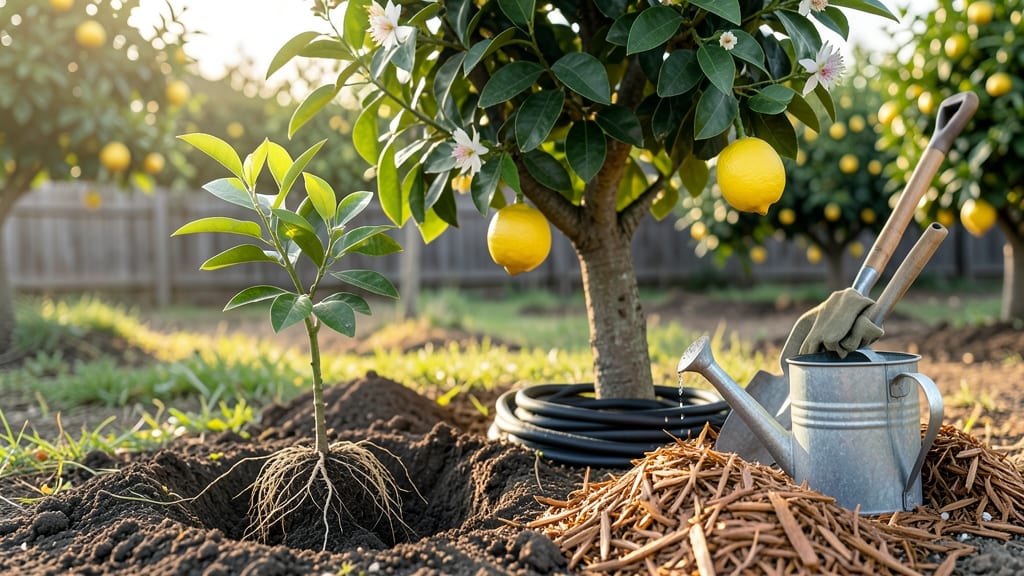
Planting a lemon tree 🍋 in Louisiana might seem tricky with all that humidity, but getting the timing right makes all the difference between a thriving citrus grove and a sad, soggy sapling.
The key window for success is late winter to early spring—when temperatures start warming up but before summer’s relentless heat and storms roll in.
Why does timing matter so much? Louisiana’s climate—especially in zones 8a to 9b—can turn a lemon tree into a science experiment if planted at the wrong time. Too early, and frost might still linger; too late, and your tree could struggle with heat stress or even hurricane damage.
I’ll walk you through the best months to plant, whether you’re sticking with in-ground planting or opting for container growing to give your tree more control.
You’ll also discover how to prepare your soil for Louisiana’s unique challenges, from adjusting drainage to protecting your tree from pests that thrive in the humidity.
Whether you’re in New Orleans, Shreveport, or along the coast, these tips will help your lemon tree take root and grow strong—so you can enjoy fresh lemons year-round.
Ready to turn your backyard into a citrus paradise? Let’s dive into the exact steps and timing that’ll set your lemon tree up for success, no matter where you are in the Bayou State.
Best planting months for lemon trees in Louisiana’s humidity zones
Timing is everything when planting lemon trees in Louisiana, where humidity levels and hurricane risks can turn a great start into a soggy disaster. The ideal window for planting is late winter to early spring (February through March), when temperatures are mild and the threat of freezing nights has passed.
This gives your tree time to establish roots before the summer heat and rainy season hit.
Louisiana spans USDA zones 8a to 9b, meaning frost dates vary by region. In northern areas like Shreveport (Zone 8a), aim for mid-March to avoid late frosts, while coastal zones (Zone 9b) like New Orleans can plant as early as late February.
Always check your local frost dates—a late frost can kill young citrus trees in their tracks.
If you miss the spring window, fall planting (October to early November) is your second-best option. This allows roots to establish before winter dormancy. However, avoid planting in late summer (July-August) when heat stress and hurricane risks are highest.
Summer storms can uproot young trees, and the intense heat slows root development.
For container-grown lemon trees, timing is slightly more flexible. You can plant them year-round in Louisiana, but spring or fall still offers the best conditions for root growth.
Just ensure your container has drainage holes and you’re using a well-draining potting mix to prevent root rot—a common issue in Louisiana’s wet climate.
| Planting Window | Best For | USDA Zones | Key Considerations |
|---|---|---|---|
| Late Winter (Feb) | Coastal Areas (Zone 9b) | 9a-9b | Mild temps, low frost risk, but watch for early spring rains. |
| Early Spring (Mar) | Northern Areas (Zone 8a) | 8a-8b | Avoid late frosts; ideal for in-ground planting. |
| Fall (Oct-Nov) | All Zones | 8a-9b | Root establishment before winter; avoid hurricane season. |
| Year-Round (Containers) | Urban Gardens | All Zones | Flexible but requires drainage and protection from storms. |
Hurricane season (June-November) is another critical factor. If you’re planting in southern Louisiana, avoid setting out trees in late summer when storms are most frequent. Instead, opt for container planting or use temporary windbreaks if you must plant during this time. Young trees are especially vulnerable to high winds and flooding, so prioritize elevated beds or well-draining containers in at-risk areas.
For bare-root saplings, the soil temperature is key. Aim for 60-70°F—warmer than this, and roots may dry out before establishing. Cooler temps (but above freezing) help retain moisture and encourage root growth.
If you’re planting in sandy soil (common in south Louisiana), amend the soil with compost or peat moss to improve water retention without suffocating roots.
Meyer lemon trees—a popular dwarf variety—are slightly more forgiving with timing, thanks to their disease resistance and compact size. However, they still thrive best when planted in spring or fall. If you’re growing them in containers, you can move them indoors during winter to protect them from freezing temps, even in Zone 8a.
Pro tip: Mulch heavily after planting to retain moisture and regulate soil temperature. Use 3-4 inches of organic mulch (like pine bark or shredded leaves) and keep it 6 inches away from the trunk to prevent rot.
This is especially important in Louisiana’s hot, humid summers, where soil can dry out quickly or become waterlogged.
Finally, avoid planting during droughts or prolonged rain periods. Both extremes stress young trees. Check the National Weather Service for your area and plan your planting around stable weather conditions.
With the right timing, your lemon tree will reward you with sweet, juicy fruit in just a few years—no soggy struggles required!
Best planting months for lemon trees in Louisiana’s humidity zones
Timing your lemon tree planting in Louisiana is all about avoiding the extremes—frost in winter and hurricane season in late summer.
The ideal window spans from late February to early April, right after the last frost date (typically around February 15) and before summer’s oppressive heat sets in.
This timing gives your tree’s roots 6-8 weeks to establish before the real heat arrives. If you miss this window, your next best option is late fall (October-November), but only in USDA zones 9a-9b where frost is rare.
In colder areas like Shreveport (zone 8a), fall planting risks frost damage before roots settle.
For container-grown lemon trees, you have more flexibility—plant anytime in spring or summer since pots offer better control over moisture and temperature. Just be sure to harden off nursery plants for 7-10 days before transplanting to avoid shock.
| Zone & Location | Best Planting Window | Key Considerations |
|---|---|---|
| New Orleans (9a) | Feb 20 - Apr 15 | High humidity; watch for fungal diseases |
| Shreveport (8a) | Mar 1 - Apr 10 | Later frost risk; use frost cloth if needed |
| Coastal Areas (9b) | Feb 1 - May 1 (containers only) | Hurricane risk after June; secure pots |
| Northwest LA (8a) | Mar 15 - Apr 15 | Drier climate; less humidity stress |
If you’re planting in containers, you can extend your window to May-June but must monitor soil moisture closely—Louisiana’s summer heat dries pots quickly. Always use well-draining citrus mix with perlite to prevent root rot, a common issue in our wet climate.
Pro tip: Avoid planting in July-August when temperatures often exceed 90°F. Young trees struggle to establish roots in this heat, and the added humidity creates a perfect storm for citrus canker and anthracnose diseases.
For maximum success, align your planting with Louisiana’s dry season (March-April) when rainfall is lighter. This gives your tree’s roots time to spread before the summer deluges begin. And remember—Meyer lemon trees adapt best to our climate, thanks to their cold tolerance and disease resistance.