
Trees
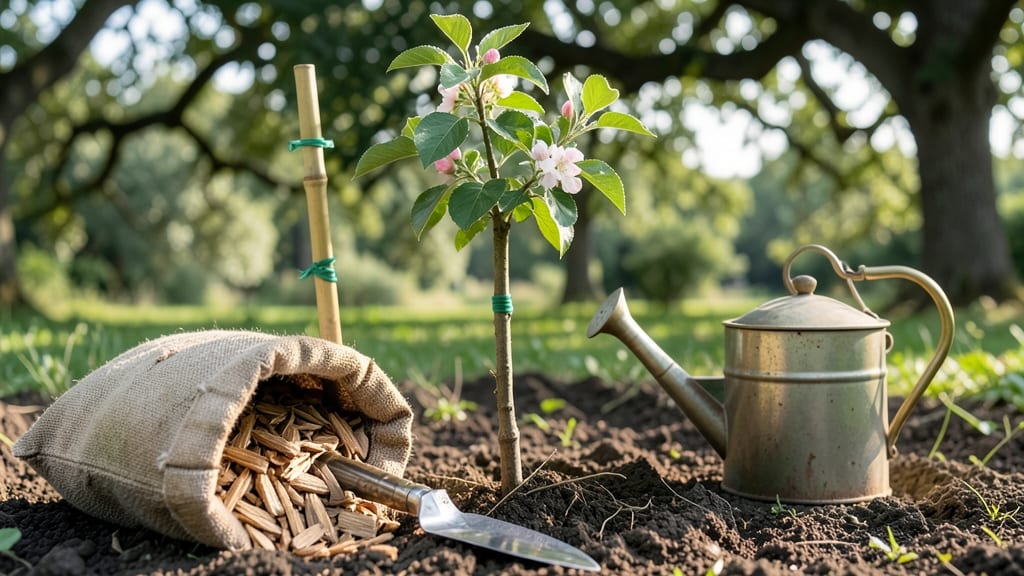
Timing your 🍎 apple tree planting in Arkansas isn’t just about picking a month—it’s about syncing with the state’s unique chill-hour zones to guarantee those sweet, juicy harvests you dream about.
With USDA zones 7a-8b bringing warm winters and humid summers, getting it right means avoiding late frosts that can nip young blooms or summer heat stress that stunts growth.
Most gardeners in Arkansas swear by fall planting (October-November) as the golden window, but spring (February-March) works too if you’re patient. The key? Choosing varieties like 'Fuji' or 'Gala' that thrive in Arkansas’s 500-800 chill hours—and planting when the soil’s cool but not frozen.
I’ve seen firsthand how a well-timed planting leads to trees that establish roots deep before summer’s heat hits, while poor timing can leave your 🍎 apple tree struggling.
Let’s break down the exact steps to give your tree the best shot at success—from soil prep to post-planting care tailored to Arkansas’s climate quirks.
Whether you’re a first-time orchardist or a seasoned gardener, these insights will help you avoid common pitfalls and set your apple tree up for a bountiful harvest in late summer or early fall. Ready to plant with confidence?
Arkansas chill-hour zones 7a/7b: best apple tree varieties and planting windows
Arkansas’s USDA Zones 7a and 7b create a unique challenge for apple growers—too few chill hours (below 45°F) can prevent traditional varieties from blooming properly. Most Arkansas regions average 500–800 chill hours, so selecting the right apple varieties is critical for success.
The key is choosing low-chill varieties that thrive in these conditions while avoiding those needing 1,000+ chill hours.
For Arkansas gardeners, the optimal planting windows are late winter to early spring (February–March) or fall (October–November). Spring planting allows roots to establish before summer heat, while fall planting gives trees time to root before winter dormancy.
Both methods work, but fall planting is often preferred for container-grown trees to avoid transplant shock during Arkansas’s hot summers.
Here’s the critical factor: chill-hour requirements. Varieties like 'Gala' (500–600 hours) or 'Fuji' (600–700 hours) are perfect for Arkansas, while 'Granny Smith' (1,000+ hours) will struggle.
Matching your variety to your local chill hours ensures healthy blooms and fruit set, avoiding the heartbreak of blossoms that never produce apples.
🌱
| Variety | Chill Hours | Best Planting Window | Notes |
|---|---|---|---|
| 'Gala' | 500–600 | Fall (Oct–Nov) or Spring (Feb–Mar) | Sweet, crisp; needs cross-pollination |
| 'Fuji' | 600–700 | Fall (Oct–Nov) or Spring (Feb–Mar) | Large, flavorful; needs pollinator |
| 'Jonagold' | 500–600 | Fall (Oct–Nov) or Spring (Feb–Mar) | Tart-sweet; great for baking |
| 'Zestar!' (Arkansas-developed) | 400–500 | Fall (Oct–Nov) or Spring (Feb–Mar) | Disease-resistant; sweet-tart |
| 'Honeycrisp' | 700–800 | Spring (Feb–Mar) only | Juicy; needs full chill hours |
Arkansas’s humid subtropical climate also demands attention to soil drainage and pollination. Plant in well-draining soil to prevent root rot, and choose two compatible varieties for cross-pollination (e.g., 'Gala' + 'Fuji'). If space is limited, consider self-pollinating varieties like 'Zestar!', developed specifically for Arkansas’s climate.
Timing your planting around Arkansas’s last frost date (March 15) is crucial. Planting bare-root trees in early spring (February–March) gives roots time to establish before summer heat, while container-grown trees can handle fall planting (October–November) with minimal stress.
Avoid planting in summer or late fall, as extreme heat or frost can damage young trees.
🌳
One common mistake Arkansas gardeners make is choosing high-chill varieties like 'McIntosh' or 'Red Delicious', which require 1,000+ chill hours. These varieties may bloom but fail to set fruit, leading to disappointment.
Instead, focus on low-chill varieties that match Arkansas’s 500–800 chill-hour range. For example, 'Zestar!' apples, bred by the University of Arkansas, are specifically designed to thrive in the state’s climate.
Another tip: mulch heavily around your apple tree to retain moisture and regulate soil temperature. Arkansas’s summers can be brutal, and mulch helps protect roots from heat stress while keeping soil cool.
Use 3–4 inches of organic mulch (like wood chips or straw) and keep it 6 inches away from the trunk to prevent rot.
Finally, consider Arkansas’s humidity levels. Apple trees are susceptible to fungal diseases like apple scab and powdery mildew in wet conditions. To mitigate this, prune for airflow, apply copper fungicide in early spring, and avoid overhead watering.
These steps will help your apple trees stay healthy and productive despite Arkansas’s challenging climate.
☀️
Step-by-step guide: planting apple trees in Arkansas for maximum success
Now that you’ve picked the perfect apple variety for Arkansas’s 500–800 chill hours, let’s dive into the step-by-step process to plant your tree for long-term success.
Arkansas’s humid summers and rich soil create ideal conditions, but proper technique is key to avoiding common pitfalls like root rot or heat stress.
Start by selecting a sunny location with 6+ hours of direct sunlight daily. Arkansas’s south-facing slopes work best, as they warm up faster in spring and drain well after heavy rains. Avoid low-lying areas where cold air or standing water can collect—your apple tree’s roots need oxygen to thrive.
🌱
-
Step 1: Test and Amend Soil
Arkansas’s clay-heavy soils often need improvement. Test your soil’s pH (6.0–7.0 ideal) and amend with compost or peat moss to improve drainage. Mix in 1–2 inches of compost into the top 12 inches of soil. -
Step 2: Dig the Planting Hole
Dig a hole twice as wide as the root ball but no deeper. Arkansas’s expansive clay can suffocate roots if buried too deep. Loosen the sides of the hole to help roots spread easily. -
Step 3: Plant Bare-Root or Container Trees
For bare-root trees, soak roots in water for 1–2 hours before planting. Place the tree in the hole so the graft union is 2–3 inches above soil level (Arkansas’s heavy rains can cause rot if planted too deep). -
Step 4: Backfill and Water
Fill the hole with soil, tamping gently to remove air pockets. Water deeply to settle the soil and eliminate gaps. Arkansas’s summer droughts can dry out newly planted trees quickly, so keep soil moist for the first 4–6 weeks. -
Step 5: Mulch and Stake
Apply 3–4 inches of organic mulch (wood chips or straw) around the base, keeping it 6 inches away from the trunk. Stake only if necessary (Arkansas’s winds can be strong), using soft ties to avoid damaging the trunk.
After planting, focus on watering deeply—Arkansas’s summer heat can dry out soil quickly. Water 15–20 gallons per tree every 5–7 days during the first year, then taper to bi-weekly once established. Avoid overhead watering to prevent fungal diseases like apple scab, which thrive in Arkansas’s humid conditions.
Prune your apple tree in late winter (February) before buds swell, removing dead or crossing branches to improve airflow. Arkansas’s high humidity makes trees prone to powdery mildew, so prune for an open canopy. Apply copper fungicide in early spring as a preventive measure.
🪴
One of my top tips for Arkansas gardeners? Monitor for pests like codling moths and apple maggots, which love the state’s warm climate. Use organic sprays or pheromone traps to keep populations in check.
Also, consider planting companion plants like marigolds or garlic around the base to deter pests naturally.
With these steps, your apple tree will establish strong roots and thrive in Arkansas’s unique climate. Within 3–5 years, you’ll be harvesting juicy, homegrown apples—worth every bit of effort!