
Trees
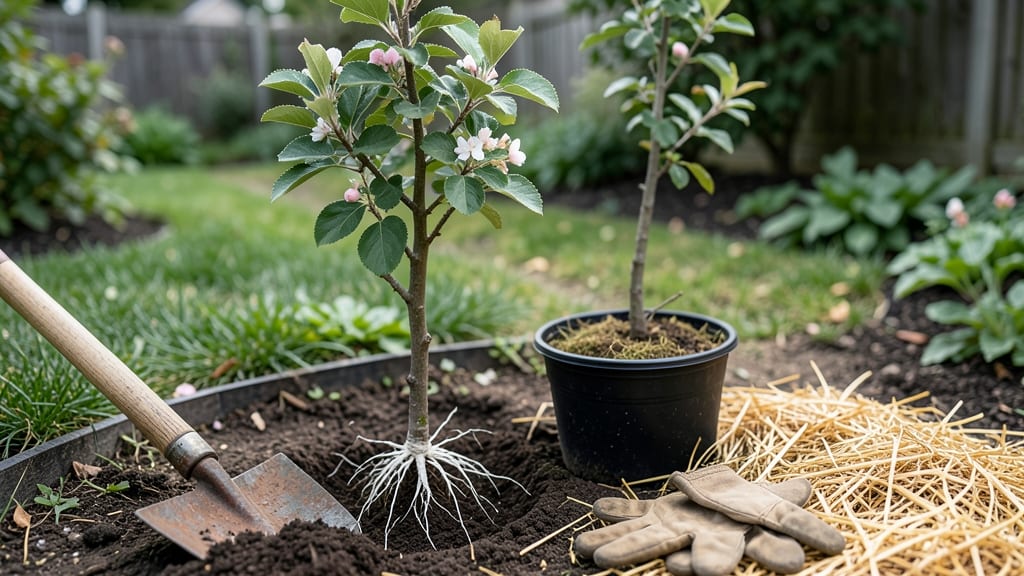
If you're dreaming of a backyard bursting with fresh, homegrown 🍏, knowing when to plant apple trees in South Carolina could make all the difference between success and disappointment.
The state's mild winters and long growing season create a unique challenge—plant too early, and your tree might struggle with summer heat; too late, and it won't have time to establish strong roots before winter arrives.
For gardeners in USDA zones 7b-8a, the ideal window is late winter to early spring, typically between February and March. This timing ensures your apple tree gets a head start on growth before the heat of summer sets in, giving it the best chance to thrive.
Whether you're planting bare-root saplings or container-grown trees, understanding these nuances is key to a fruitful harvest.
But here's the catch: not all apple trees are created equal. Some varieties need more chill hours than others to produce fruit, and South Carolina's climate means you'll want to choose wisely.
I'll break down the best planting strategies, including soil prep and post-planting care, so you can set your tree up for long-term success—no guesswork required.
Ready to grow your own apples? Let's dive into the exact steps and timing you need to turn your South Carolina yard into a thriving orchard, complete with varieties that actually flourish in this region. Your future harvest starts with the right planting window—and I've got all the details.
Best planting months for apple trees in South Carolina by chill-hours
South Carolina’s USDA Zones 7b-8a offer a unique challenge for apple tree growers. Unlike northern states, SC’s mild winters mean most varieties need 500-900 chill hours to set fruit properly. Planting at the wrong time can leave your tree struggling with heat stress or poor root establishment.
The ideal window is late winter to early spring, when soil is workable but summer heat hasn’t arrived.
Bare-root apple trees are best planted in February or early March, before buds begin to swell. This gives roots 6-8 weeks to establish before the April heatwave hits.
Container-grown trees have more flexibility and can be planted through May, but they’ll need extra watering to compensate for the heat. Avoid planting in summer or fall—these periods stress young trees and invite disease.
Here’s why timing matters so much in SC: The state’s humid subtropical climate creates perfect conditions for fire blight and root rot if trees aren’t established properly. A well-timed planting in cool, moist soil gives roots a head start, while warm-season planting risks transplant shock and pest pressure.
Let’s break down the best months by tree type and chill-hour needs.
🌱
| Planting Window | Best For | Chill-Hour Range | SC Climate Note |
|---|---|---|---|
| Late February - Early March | Bare-root trees | 500-900 hours | Cooler soil temps reduce shock |
| March - April | Container-grown trees | 500-700 hours | Establish before summer heat |
| May (early) | Container-grown (last resort) | 500-600 hours | Requires extra watering |
| November - December | Avoid (high risk) | All ranges | Freeze/thaw cycles damage roots |
| June - August | Never plant | N/A | Extreme heat kills young roots |
For low-chill varieties (500-600 hours), like ‘Anna’ or ‘Dorsett Golden,’ you have slightly more flexibility. These can handle May plantings if you’re committed to daily watering and mulching.
However, I recommend sticking to February-March for all varieties—it’s the sweet spot where SC’s cooler temperatures and moist soil work in your favor.
Pro tip: Check your local last frost date (typically March 15 in SC). Plant at least 4-6 weeks before to ensure roots establish before summer heat arrives. In Zone 8a (coastal areas), you can push planting to late March, but inland areas should aim for February.
If you’re planting container-grown trees, they can go in slightly later because their roots are already established. But even these benefit from spring planting—summer heat will dry out container soil 3x faster than in-ground soil. Always water container-grown trees every 3-5 days during summer to prevent root desiccation.
💧
One common mistake I see in SC is planting high-chill varieties (like ‘Fuji’ or ‘Gala’) that need 800+ chill hours. These won’t fruit well in most of SC’s climate. Stick to 500-700 chill-hour varieties—they’re bred to thrive in our mild winters and hot summers.
Next, we’ll cover the best apple varieties for SC and how to choose the right one for your yard.
Best planting months for apple trees in South Carolina by chill-hours
South Carolina’s mild winters and hot summers create a unique challenge for apple tree planting. Unlike northern states, SC’s 500-900 chill hours (below 45°F) mean you must choose low-chill varieties and time planting precisely.
The ideal window is late winter to early spring—February through March—when soil is workable but buds haven’t yet swelled.
Bare-root trees thrive when planted in February or early March, giving roots time to establish before summer heat. Container-grown trees offer more flexibility but still benefit from spring planting (March-April). Avoid planting in summer or fall, as extreme heat or early frost can stress young trees.
🌱 South Carolina Apple Tree Planting Guide
| Planting Window | Tree Type | Chill-Hour Range | Key Consideration |
|---|---|---|---|
| Late February - Early March | Bare-root | 500-600 | Best for low-chill varieties like 'Anna' or 'Dorsett Golden' |
| March - April | Container-grown | 600-800 | Flexible timing; avoid bud break before planting |
| Avoid Summer/Fall | Any type | N/A | Risk of heat stress or frost damage to roots |
⚠️ Pro Tip: Test soil pH (5.5-6.5) before planting—SC’s sandy soils often need organic matter for moisture retention.
SC’s USDA Zones 7b-8a mean frost can linger into mid-March in upland areas, while coastal regions warm faster. Plant in well-draining soil with afternoon shade to protect young trees from summer heat stress. Mulch heavily (3-4 inches) to retain moisture and regulate soil temperature.
For container-grown trees, you can plant in May, but prioritize root establishment before summer. Water deeply 2-3 times per week for the first month, then taper to weekly deep watering once established. Drip irrigation reduces fungal risks in SC’s humid climate.
Timing isn’t just about months—it’s about chill hours. Varieties like 'Ein Shemer' (500 hours) thrive in SC, while 'Fuji' (800+ hours) will struggle. Match your tree to your local chill-hour count (check SC State Climatology for your region).
Remember: Root growth > top growth. Plant when soil temps hit 50°F+ but before buds swell. This window ensures your apple tree focuses on root development before summer’s heat arrives—critical for long-term survival in SC’s climate. 🌳