
Trees
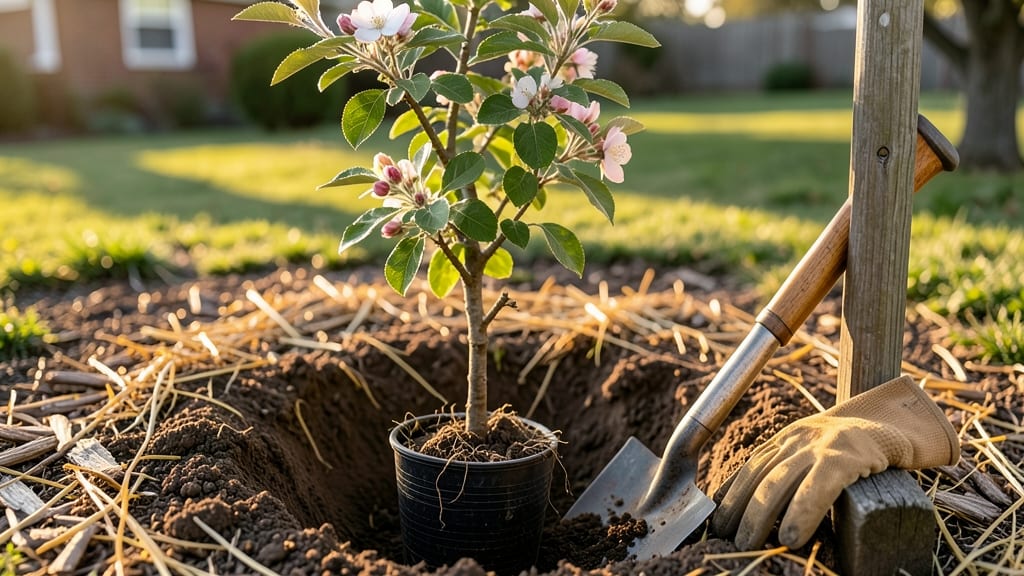
Planting apple trees in North Carolina at the wrong time could mean the difference between a thriving 🍎 orchard and a frost-bitten disappointment. With chill-hour requirements and unpredictable frost dates, timing is everything—especially in zones 6b-8a where winters vary wildly from the mountains to the coast.
Most gardeners know spring is ideal, but did you realize bare-root trees need to go in before buds swell? That’s usually February through April, when soil temps hit 40–50°F—perfect for root establishment. Container-grown trees offer more flexibility, but even they benefit from spring’s milder conditions.
Why does this matter? Apple trees need 400–900 chill hours to fruit properly, and planting too late risks stunted growth. I’ll break down the exact windows for your zone, plus how to use frost dates and soil checks to lock in success—no guesswork.
Ready to grow your own apples? Let’s dive into the chill-hour chart and frost-date cheat sheet that’ll have your tree thriving in no time. No more wasted saplings!
North Carolina’s best planting months for apple trees by chill-hour zones
North Carolina’s diverse climate—spanning USDA zones 6b through 8a—means apple tree planting windows vary dramatically. The Piedmont region (zones 7a–7b) and Mountains (6b) have stricter chill-hour requirements, while coastal areas (8a) can handle earlier planting. Understanding your chill-hour zone (typically 400–900 hours) is the first step to success.
For most of North Carolina, the ideal planting window is from late February to early April. This aligns with when soil temperatures reach 40–50°F and before buds begin to swell.
Bare-root trees, the most common type, should be planted in dormant season (November–March), while container-grown trees offer more flexibility but still thrive when planted in early spring.
Here’s how to match your location to the best planting month:
To verify your chill-hour zone, use the NC State Extension’s Chill Hour Calculator or the USDA Plant Hardiness Zone Map. Pro tip: Check local microclimates—valleys often have 100+ extra chill hours than nearby ridges, affecting variety selection.
If you’re planting in November or December, focus on bare-root trees and protect them with mulch (4–6 inches) to insulate roots. Container-grown trees can handle fall planting, but avoid late winter (January) when soil is frozen or soggy.
For container-grown trees, you can plant year-round, but spring (March–April) still offers the best success rate. These trees establish roots faster in warmer soil, reducing transplant shock. Water deeply after planting to encourage root growth in the top 12 inches of soil.
North Carolina’s last frost dates vary by zone: March 15 in the Mountains, March 1 in the Piedmont, and as early as February 15 near the coast.
Planting too early risks frost damage, while waiting too long delays root establishment. Aim to plant 4–6 weeks before your average last frost date for optimal results.
Local nurseries like JLB Seeds (Mountains) or Bare Root Trees (Piedmont) offer region-specific advice. For personalized guidance, contact your county Extension office—they provide soil tests and variety recommendations tailored to your chill hours and frost risk.
How to use frost dates and soil temperatures to time your planting perfectly
Timing your apple tree planting in North Carolina isn’t just about the calendar—it’s about frost dates and soil temperatures. A late frost can kill young roots, while warm soil speeds up growth. I’ve planted enough trees to know that checking these two factors before digging is non-negotiable for success.
Start by checking your last average frost date for your specific NC zone. The USDA Plant Hardiness Zone Map is a great starting point, but for precise timing, consult your local NC Cooperative Extension office.
For example, in Zone 7a, expect your last frost around March 1st, while Zone 6b holds off until March 15th. Planting too early risks frost damage to tender roots.
Next, grab a soil thermometer—this is your secret weapon. Apple tree roots thrive when soil temperatures are between 40–50°F. If it’s colder, roots won’t establish; if it’s warmer, your tree may bolt (sprout too quickly).
Test soil temps in the morning for accuracy, especially in valleys or low-lying areas, which can stay colder longer.
NC’s Microclimates Are Tricky!
A ridge vs. valley can mean a 2-week frost difference. If you’re in a frost pocket, wait until soil is consistently 50°F+ for 5 days before planting. Use mulch or row covers for extra protection if early planting is unavoidable.
Don’t forget to account for unpredictable late frosts. Even after your average last frost date, a surprise cold snap can occur—especially in higher elevations like the Blue Ridge Mountains.
If you must plant early (e.g., bare-root trees in February), use 3–4 inches of straw mulch around the base to insulate roots. For container-grown trees, delay until soil warms up, even if it’s slightly later in spring.
Pro tip: Plant on a cloudy day if possible. This reduces transplant shock from wind and sun stress. Water deeply before and after planting to encourage root contact with moist soil.
If your soil drains poorly, amend with compost or sand to prevent root rot—a common issue in NC’s clay-heavy soils.
Finally, if you’re in Zone 8a (like the coastal plain), you might even plant in late winter or early spring (February–March), but avoid planting after April 15th.
Warmer zones like this have a shorter window for root establishment before summer heat sets in. Always prioritize soil temp over calendar dates—it’s the real game-changer.