
Plants
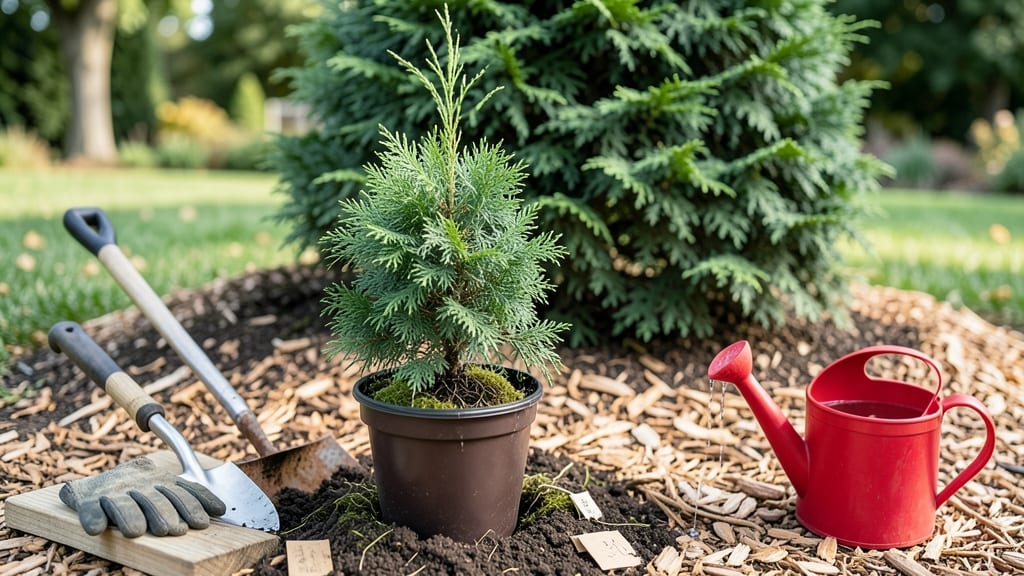
Planting arborvitae in Michigan at the wrong time can turn your 🌲 into a frost-bitten disappointment—something no gardener wants after investing in a long-lived evergreen.
The key to success lies in Michigan's Zone 5b-6b climate, where timing isn't just about months but about avoiding those cruel late frosts that can stunt growth or worse.
Most gardeners know spring and fall are ideal, but Michigan's unpredictable weather demands precision. Planting too early in spring risks root damage from lingering cold, while fall planting must finish before the ground freezes solid.
The early spring window (April) or early fall (September-October) offers the perfect balance for strong root establishment before winter hits.
Container-grown arborvitae give you a slight edge over bare-root plants—they can handle transplanting later in the season. But even with flexibility, Michigan's first frost date (October 15) looms large.
Waiting too long means weak roots struggling to survive winter, while planting too early can leave your 🌲 vulnerable to spring frosts.
I'll walk you through the exact timing that works for Michigan's climate, plus pro tips to protect your investment. Whether you're planting a single specimen or a windbreak, getting this right means decades of lush, green beauty without the guesswork.
Best planting months for arborvitae in Michigan’s Zone 4-5 climate
Michigan’s Zone 4-5 climate demands precision when planting arborvitae—timing directly impacts root establishment and winter survival. The two best windows are early spring (April–May) and early fall (September–October), each offering distinct advantages for your evergreen’s long-term health.
Spring planting lets your arborvitae establish roots before summer heat, while fall planting avoids late-season stress. Michigan’s Upper vs. Lower Peninsula microclimates also shift ideal timing by 1–2 weeks, so local frost dates matter more than calendar months.
Here’s how to choose the right window based on your region’s last frost date (typically April 15 in southern Michigan, May 1 in the north):
| Season | Ideal Months | Soil Temp | Pros | Cons |
|---|---|---|---|---|
| Spring | April–May | 45–55°F | Long root growth season | Risk of late frost damage |
| Fall | September–October | 50–60°F | Avoids summer heat stress | Limited root growth before winter |
For container-grown arborvitae, spring planting is ideal—roots are already established, reducing transplant shock. Bare-root plants, however, thrive in fall when cooler temps minimize stress during root regrowth.
In northern Michigan (Zone 4), aim for late April to early May in spring or mid-September to early October in fall. Southern Michigan gardeners can plant 1–2 weeks earlier in both seasons.
Always check your local USDA Zone 5b–6b frost maps—delay planting if late frosts linger. A well-timed arborvitae will reward you with decades of evergreen privacy and wildlife habitat.
Pro tip: Test soil temperature with a thermometer—roots struggle below 45°F. Use black plastic mulch in spring to warm soil faster if needed.
🌱
Best planting months for arborvitae in Michigan’s Zone 4-5 climate
Michigan’s Zone 4-5 climate demands precise timing for arborvitae planting—too early and frost can damage tender roots, while late planting leaves them vulnerable to winter stress.
The ideal window spans April to May in spring and September to October in fall, aligning with soil temperatures above 40°F for optimal root growth.
For spring planting, aim for mid-April once the last frost date has passed (typically around April 15). Container-grown arborvitae offer flexibility, allowing planting up to May 15, while bare-root plants should go in by April 30 to avoid transplant shock from late frosts.
Fall planting is equally critical—September to early October gives roots time to establish before winter. Plant by October 15 to avoid ground freezing, which can stunt root development.
Michigan’s Upper Peninsula (Zone 4) may need earlier planting (late August to September), while the Lower Peninsula (Zone 5) has slightly more leeway.
| Season | Best Months | Soil Temp | Root Establishment |
|---|---|---|---|
| Spring | April–May | 40°F+ | 6–8 weeks before summer heat |
| Fall | September–October | 50°F+ | 4–6 weeks before frost |
| Container-Grown | April–May or Sept–Oct | Flexible | Extended window (1–2 months later) |
Container-grown arborvitae are your best bet for late planting—their established root systems handle transplanting better than bare-root varieties. If you miss the ideal window, early spring (March) is riskier due to frost, while late fall (November) leaves roots exposed to winter stress.
For Michigan’s microclimates, adjust timing by region: Northern Michigan (Zone 4) plants 2–3 weeks earlier than the Southern Lower Peninsula (Zone 5). Always check local frost dates—your county extension office is a reliable resource for precise timing.
Pro tip: Test soil moisture before planting—dry soil in spring or fall can delay root establishment. Amend clay-heavy Michigan soils with compost to improve drainage and give your arborvitae the best start.