
Plants
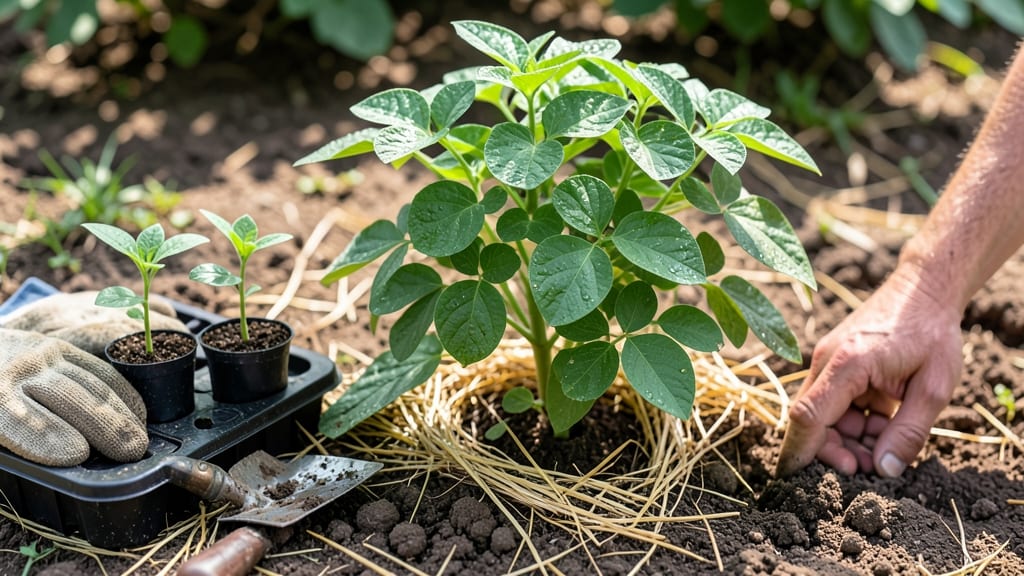
Knowing when to plant beans in Missouri can mean the difference between a bountiful harvest and wasted effort. With the right timing, you'll enjoy fresh, homegrown beans all summer long—but get it wrong, and frost or heat can ruin your crop before it even starts.
Missouri's diverse climate zones (like 5b-6b) create unique challenges, especially when balancing soil warmth and frost dates. The key is planting after the last frost (around April 15 for most areas) and when soil temperatures hit at least 60°F—a window that opens between mid-April and June.
In this guide, I'll break down the perfect planting schedule for your zone, whether you're growing bush beans for quick harvests or pole beans for a longer season. You'll also learn how to extend your growing window with simple tricks like row covers and succession planting.
Ready to grow beans that thrive? Let's dive into the exact steps to maximize your yield, from soil prep to harvest timing—so you can enjoy garden-fresh beans from June through October.
Missouri bean planting dates by zone: frost-free window & soil temperature guide
Missouri’s diverse climate zones—ranging from 5a in the north to 7a in the south—create unique challenges for planting beans. Unlike cool-season crops, beans thrive only when soil temperatures reach at least 60°F, making timing critical.
In northern Missouri, you might wait until late May, while southern gardeners can start as early as mid-April. Understanding your local last frost date and soil warmth is the key to avoiding stunted growth or frost damage.
Most Missouri gardeners aim to plant beans 2-3 weeks after the last frost, but this varies by zone. For example, in zone 5a, where frost lingers until early May, planting typically begins in late May.
In zone 6a-7a, where frost arrives later, you can start as early as mid-April. The goal is to ensure beans have 80-100 frost-free days to mature, as most varieties take 50-60 days to harvest.
Soil temperature is just as important as air temperature. Use a soil thermometer to confirm the ground has warmed to 60°F at least 1 inch deep. Cold soil slows germination and can lead to damping off, a fungal disease that kills young seedlings. If your soil is still chilly, wait a few more weeks—beans won’t sprout until conditions are ideal.
For bush beans, which mature faster, plant seeds 1 inch deep and 3-4 inches apart in rows spaced 18-24 inches apart. Pole beans, which climb and produce longer, need trellises or poles and should be spaced 4-6 inches apart in rows 24-36 inches apart.
Both types benefit from well-draining soil enriched with compost, as beans are light feeders that prefer fertile but not overly rich soil.
Here’s a quick reference for Missouri’s zones, including ideal planting windows, last frost dates, and soil temperature thresholds:
| Zone | Last Frost Date | Ideal Planting Window | Soil Temp Threshold | Notes |
|---|---|---|---|---|
| 5a (Northern MO) | May 1-15 | Late May - Early June | 60°F+ | Use row covers for early starts |
| 5b (Central MO) | April 15-30 | Late April - Early May | 60°F+ | Plant after soil warms |
| 6a (Southern MO) | March 20 - April 15 | Mid-April - Late May | 55-60°F | Early varieties work well |
| 6b-7a (Southeast MO) | March 1 - April 1 | Early April - Early June | 50-60°F | Longer growing season |
If you’re in zone 5a or 5b, consider starting seeds indoors 2-3 weeks before the last frost to give seedlings a head start. Transplant them outdoors only after hardening off and when soil is warm.
For zone 6b-7a, you can even plant a fall crop in August, as long as beans have time to mature before the first frost in mid-October.
Missouri’s summer heat can also stress beans, so succession planting every 2 weeks ensures a steady harvest. For example, if you plant your first batch in late May, follow up with another in early June and mid-July to keep pods coming until frost.
This works especially well for bush beans, which mature quickly.
One common mistake is planting beans too early in hopes of an earlier harvest. Cold soil and chilly nights can stunt growth or attract pests like bean beetles.
Always check your local Missouri State Climatologist or Missouri Botanical Garden for updated frost dates, as microclimates (like urban heat islands) can shift planting windows by 1-2 weeks.
For pole beans, which take longer to mature, focus on heat-tolerant varieties like 'Kentucky Wonder' or 'Rattlesnake'. These can handle Missouri’s 90°F+ summers better than standard types.
If you’re in a hot, dry zone, mulch around plants to retain moisture and prevent soil from cooling too quickly in the evening.
Finally, keep an eye on the 7-day forecast before planting. A sudden cold snap can kill young seedlings, so avoid planting if nighttime temperatures dip below 50°F for more than 2-3 nights. With the right timing, you’ll enjoy a bountiful bean harvest from June through September! 🌱
How to extend your bean growing season in Missouri (cold frames, row covers & succession planting)
Missouri’s short growing season can be tricky for beans, but with the right tricks, you can push your planting window earlier by 2-4 weeks or later by 3-6 weeks. The key is protecting young plants from late frosts or extending warmth into fall.
I’ve tested these methods in my own garden, and they’ve helped me enjoy fresh beans well beyond the traditional harvest window.
For early planting, use cold frames or row covers to shield seedlings from chilly nights. These simple tools raise soil temperatures by 5-10°F, letting you sow seeds as early as mid-March in Zone 6b or late March in Zone 5b.
Just remove covers when daytime temps hit 70°F to avoid overheating.
The biggest mistake I see gardeners make is planting too soon without protection. Young bean plants wilt or die when soil temps drop below 50°F. Always check soil warmth with a soil thermometer—beans need 60°F+ to germinate properly.
Warning: Late Frost Risks
Never rely on row covers alone for frost protection—beans can’t handle temps below 32°F. If a late frost is forecasted, use black plastic mulch or straw mulch to insulate the soil and keep roots warm.
🌱 Pro Tip: Plant fast-maturing varieties (like 'Blue Lake') when extending seasons—they’ll reach harvest before heat stress sets in.
For fall planting, aim for mid-August in Zone 5b or early September in Zone 6b. Use lightweight row covers to trap warmth and protect plants from early frosts. I’ve had success with succession planting every 2 weeks in August, which gives me a steady harvest through October.
Another trick? Plant pole beans near a south-facing fence—they’ll soak up reflected heat and stay warm longer. Just be sure to harvest before the first hard frost (usually October 15 in Missouri), as frozen beans turn mushy and inedible.
Remember, beans are heat-sensitive—if daytime temps exceed 90°F, they’ll stop producing pods. In Missouri’s summer, focus on morning harvests to keep plants cool and productive.