
Plants
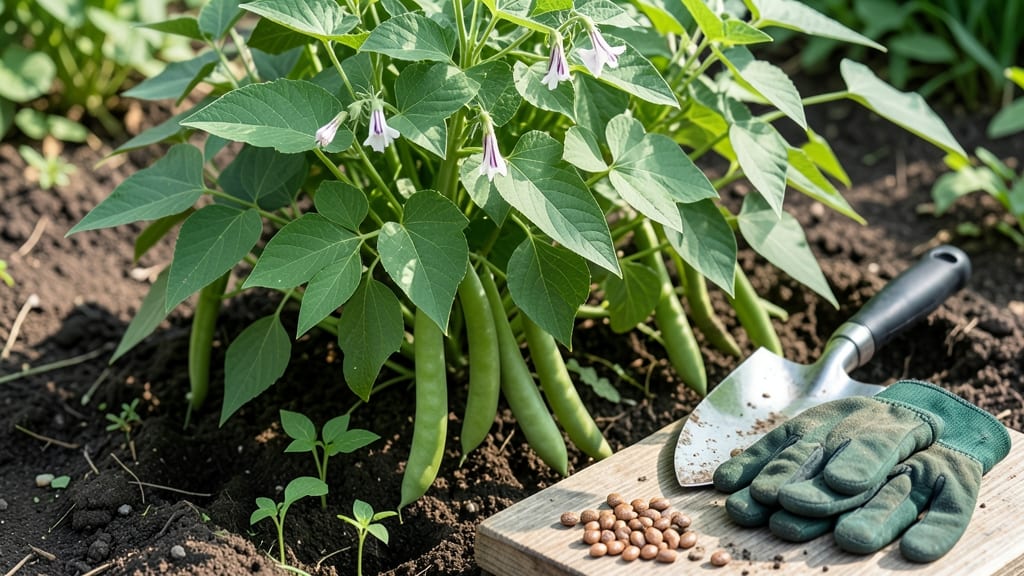
Timing your Beans planting in North Carolina isn't just about dates—it's about soil temperature, and getting it wrong can mean wasted effort. Too early, and your seeds will sit in cold soil, refusing to sprout. Too late, and summer's heat might stress your plants before they even get started.
Here's the game-changer: fast germination happens when soil reaches 60°F—not when your calendar says spring has officially arrived. Whether you're growing 🌱 pole beans in the Piedmont or bush beans along the coast, understanding this trigger can mean the difference between a thriving harvest and a disappointing flop.
I'll walk you through exactly when to plant across NC's diverse zones, from the 7a-8b mountains to the humid Coastal Plain. You'll learn how to read your soil's readiness, pick the right varieties for your microclimate, and avoid common mistakes that even experienced gardeners make.
Ready to grow beans that germinate quickly and produce abundantly? Let's dive into the soil secrets that will transform your planting season.
North Carolina bean planting zones by soil temperature (not just dates)
North Carolina’s diverse climate—from the humid Coastal Plain to the cooler Mountains—means one planting date won’t work for everyone. While frost dates are helpful, soil temperature is the real game-changer for beans.
Most varieties need soil at 60°F or warmer to germinate reliably, and lima beans prefer 70°F+. Let’s break it down by region and variety.
In Coastal NC (USDA Zones 8a-8b), where soil warms earlier, you can start planting pole beans and bush beans as early as mid-March if the ground isn’t soggy.
But in the Piedmont (Zones 7a-7b), wait until late April to avoid cold snaps. For the Mountains (Zones 6b-7a), aim for mid-May to ensure warm soil.
A soil thermometer is your best tool—stick it 2 inches deep in the morning. If it reads below 60°F, hold off. Even if the air feels warm, cool soil will delay germination for weeks.
This is why many NC gardeners miss the spring planting window and end up with patchy growth.
For summer planting, focus on heat-tolerant varieties like 'Pinato' or 'Blue Lake Bush'. These thrive in NC’s July-August heat (often 90°F+ soil temps) and can even handle short summer droughts if mulched.
In contrast, lima beans (like 'Fordhook') need consistent warmth and struggle if soil drops below 70°F at night.
Here’s a quick rule of thumb: Plant beans in NC when you can keep soil above 60°F for 7+ days straight. Use this as your trigger, not just calendar dates.
For example, in Raleigh (Zone 7b), that might mean April 15 for early varieties and July 1 for late-season heat lovers.
Don’t forget fall planting! In Coastal NC, you can sow heat-tolerant varieties as late as mid-September for a harvest before frost. In the Mountains, stick to early September to avoid October’s unpredictable chills. Succession planting every 2-3 weeks ensures a steady supply of fresh beans.
| Region | USDA Zone | Ideal Planting Window | Soil Temp Threshold | Best Varieties |
|---|---|---|---|---|
| Coastal Plain | 8a-8b | Mid-March to Mid-Sept | 60°F+ | Blue Lake, Pinato, Scarlet Runner |
| Piedmont | 7a-7b | Late April to Early Sept | 60°F+ | Kentucky Wonder, Contender, Roma II |
| Mountains | 6b-7a | Mid-May to Early Sept | 65°F+ | Fordhook Lima, Tendercrop, Provider |
Pro tip: If you’re transplanting seedlings (instead of direct sowing), harden them off in 70°F+ soil to avoid shock. Seedlings started indoors should go out when soil is at least 65°F, even if air temps are cooler. This extra warmth helps roots establish faster.
For container gardening in NC, use black pots to absorb heat—soil warms 5-10°F faster than in the ground. Place containers in south-facing spots or under cloche tunnels
5 Signs your NC soil is ready for beans (before you plant)
Planting beans in North Carolina too early is a common mistake—especially when soil temperatures are still below 60°F. Cold soil slows germination, leaving seeds sitting in the ground for weeks.
But how do you know when your soil is truly ready? Look for these 5 clear signs before you drop a single seed.
First, grab a soil thermometer (they’re cheap and game-changing). Stick it 2 inches deep in the ground—this is where bean seeds will germinate. If the reading is consistently above 60°F for at least 3 days, your soil is primed for planting.
Most gardeners in NC’s Coastal Plain can plant as early as mid-March, while Mountain regions may need to wait until late April.
Next, check for moisture without sogginess. Press your finger into the soil—it should feel like a damp sponge, not a muddy brick. If it crumbles when you squeeze it, it’s ready.
Overly wet soil can suffocate seeds, while bone-dry soil will repel them. Aim for soil that holds moisture but drains well.
🌱 Pro Tip: Early morning is the best time to test soil moisture. Evening checks can be misleading because soil may feel damp from dew or evening watering.
Now, observe the earthworm activity in your garden. Earthworms thrive in warm, well-aerated soil—perfect conditions for beans. If you spot them wriggling on the surface or their castings (tiny dark pellets) near the soil line, your soil is warm and fertile.
This is a natural sign that beans will germinate quickly.
Pay attention to weed growth. If broadleaf weeds like chickweed or dandelions are popping up, your soil is warming up. These weeds are early indicators that the ground is ready for beans.
However, avoid planting near areas with dense weed competition, as they’ll steal nutrients from your young bean plants.
Finally, check the sky and weather forecast. Plant only when a 5-day forecast shows no hard frost warnings. In NC, this usually means waiting until after April 15th in most areas, but always verify with your local Cooperative Extension Service.
A late frost can wipe out tender seedlings overnight.
Once you’ve confirmed all five signs—warm soil, proper moisture, earthworms, weed activity, and frost-free weather—you’re ready to plant. For extra insurance, consider using black plastic mulch to warm the soil faster and suppress weeds. This trick is especially useful in cooler Mountain regions like Asheville or Boone.