
Plants
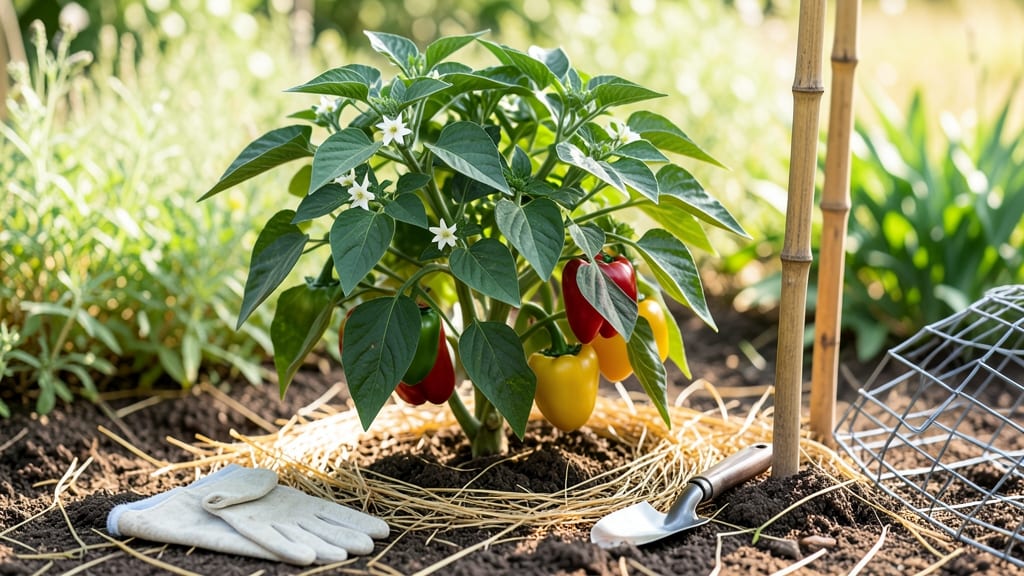
Timing your bell pepper 🌶️ planting in California isn’t one-size-fits-all—get it wrong, and you could end up with stunted plants or missed harvests. The difference between coastal and inland regions can mean a 6-week shift in your ideal planting window, and those extra weeks matter for flavor and yield.
If you’re in USDA zones 9a-10b—like most of California—you’ve got options, but the rules change fast. Coastal areas can start seeds as early as February, while inland valleys wait until March or April to avoid frost.
I’ll break down exactly when to plant for your specific microclimate, so you can maximize your harvest from June through October (or even November in warmer inland spots).
Here’s the game-changer: soil temperature matters more than dates. Your bell peppers 🌶️ need soil that’s at least 60°F to thrive, and coastal fog can delay warming.
I’ll show you how to adjust for your location—whether you’re in chilly San Francisco or the heat of the Central Valley—so you’re not left guessing when to transplant.
Ready to grow bigger, healthier peppers? Let’s dive into the exact planting schedule, soil prep tips, and how to stretch your season for continuous harvests—no more wasted effort or empty garden beds.
California bell pepper planting calendar: coastal vs inland start dates
California’s bell pepper planting schedule varies dramatically between regions—coastal areas can start 6 weeks earlier than inland valleys. The key difference? Frost risk and soil warmth.
Coastal gardeners in USDA Zone 10a-10b enjoy year-round growing potential, while inland valleys (Zone 9a) face last frost dates as late as January 31. Let’s break down the exact windows for seed starting and transplanting by region.
For coastal California (e.g., San Francisco, Santa Barbara), bell pepper seeds can begin indoors as early as late January to early February. Transplant outdoors after mid-March to April 15, once soil temperatures consistently reach 60°F (15°C).
Inland valleys (e.g., Sacramento, Fresno) should wait until March 15 to April 30 for transplanting, aligning with their later frost-free dates.
Desert regions (e.g., Palm Springs, USDA Zone 10b) have a unique advantage: they can plant directly outdoors as early as February if using black plastic mulch to warm soil. However, avoid planting too early—soil temperatures below 55°F (13°C) stunt root growth and delay fruiting.
Timing isn’t just about dates—it’s about soil temperature. Use a soil thermometer to confirm readiness. Bell peppers won’t thrive in cold soil, so if temperatures dip below 60°F (15°C), delay transplanting.
Pro tip: Black plastic mulch can raise soil temps by 5-10°F, giving you a 2-week head start in cooler areas.
Another critical factor is frost risk. Inland valleys experience light frosts through January, while coastal areas rarely see frost. If you’re in a transitional zone (e.g., San Jose), err on the side of caution—wait until April 1 to transplant to avoid surprise chills.
Use row covers or cloche tunnels for added protection if planting early.
For successive planting, coastal gardeners can squeeze in a fall crop by sowing seeds indoors in July and transplanting in August-September. Inland areas should aim for July 15 seed starts, with outdoor transplanting by September 1, before the first November frosts arrive.
One common mistake? Planting too late. Bell peppers need 70-90 days to mature. If you transplant after June 1 in inland regions, you’ll likely harvest green peppers only—they won’t ripen fully before cooler weather sets in.
Plan for two planting cycles: one in spring and one in early summer for continuous harvests.
Lastly, container gardening changes the game. Potted bell peppers warm up faster but dry out quicker. Start seeds indoors 4-6 weeks earlier than ground planting and use self-watering pots to maintain moisture. In coastal areas, you can even grow peppers in containers year-round with grow lights during winter.
Remember: California’s microclimates mean your neighbor’s perfect schedule might not work for you. Monitor local frost dates, soil temps, and sun exposure—then adjust your timeline accordingly. With the right timing, you’ll enjoy homegrown bell peppers from June to November—or even year-round in coastal zones! 🌶️
How to adjust planting times for microclimates in California
California’s microclimates can create wildly different growing conditions just miles apart. If you’re in a coastal fog belt like San Francisco, your bell peppers 🌶️ might need a later start than a garden in Sacramento’s Central Valley.
Even urban heat islands or high-elevation spots shift your ideal planting window. The key? Adjusting for local temperature swings, sun exposure, and wind patterns—not just the calendar.
For example, urban gardens in Los Angeles often experience heat islands that warm soil faster than rural areas, letting you plant 2-3 weeks earlier. Meanwhile, high-elevation gardens (like those in the Sierra foothills) may need to delay until late April to avoid late frosts.
I’ll walk you through how to spot your microclimate’s quirks and tweak your planting schedule accordingly.
🌿
Microclimate Mistakes to Avoid
- Planting too early in cold microclimates (e.g., coastal valleys) risks frost damage even if the calendar says it’s safe.
- Ignoring urban heat islands can lead to bolting (premature flowering) in early spring plantings.
- Assuming wind exposure (common in coastal areas) won’t stunt growth—windbreaks are a must for delicate pepper plants.
- Overlooking soil temperature in shaded microclimates—even if air temps are warm, 60°F soil is non-negotiable.
Start by observing your garden’s sunlight patterns. Use a sun chart (or a free app like Sun Surveyor) to map how sunlight moves across your space.
If your garden sits in a shady microclimate (like near a tall building or dense trees), opt for early-maturing varieties and plant 2-3 weeks later than the general coastal/inland guidelines.
For instance, if the recommended transplant date for your area is April 15, push it to May 1 in shadier spots.
Wind is another silent saboteur. Coastal gardens often face salty ocean breezes that dry out soil and stress plants. Install a living windbreak (like bamboo or shrubs) or use row covers for the first 2-3 weeks after transplanting.
In high-wind zones, delay planting until late April to let plants establish roots before gusts pick up in May.
To extend your harvest season, try succession planting in mild microclimates. For example, in Southern California’s coastal zones, you can plant a second batch of seeds in late June for a fall harvest before the first frost (which rarely happens).
Use black plastic mulch to warm soil for early plantings or shade cloth in summer to protect peppers from heat stress in inland desert areas.
Pro tip: Keep a gardening journal for at least 2 years to track when your peppers thrive (or fail) in your microclimate. Note soil temps, rainfall, and neighboring plant performance.
Over time, you’ll spot patterns—like why your Central Coast garden always gets a 3-week head start compared to friends 10 miles inland. That’s the power of localized gardening!