
Plants
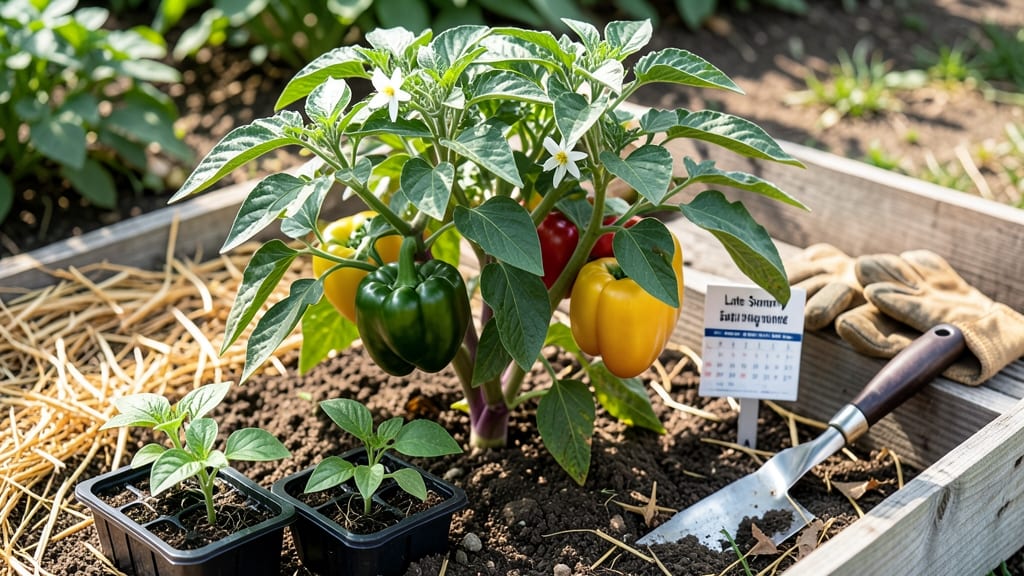
Timing your 🌶️ bell pepper planting in Indiana isn't just about following a calendar—it's about dodging frost, warming soil, and locking in a summer harvest that'll make your neighbors jealous.
With USDA Zone 6a frost creeping in around April 15, planting too early could leave your peppers shivering in the cold, while waiting too long might mean missing the sweet spot for July-October harvests.
Most Indiana gardeners swear by starting seeds indoors 8-10 weeks before the last frost date, giving those 60°F+ soil temps the perfect chance to take root.
But if you're short on time, transplanting seedlings after May 15 still works—just be ready to shield them from late frosts with row covers or cold frames.
Here's the game-changer: Indiana's 165-day growing season gives you flexibility, but rushing or dragging your feet can cut your harvest short. I'll show you exactly how to nail those April-May windows for maximum peppers, plus pro tips to stretch your season into fall.
Whether you're a first-time gardener or a seasoned grower, these strategies will help you avoid common pitfalls and turn your backyard into a bell pepper powerhouse. Let's get those seeds in the ground at the right time!
Optimal planting dates for bell peppers in Indiana’s USDA Zone 6
Indiana’s USDA Zone 6 offers a 165-day frost-free season, giving bell peppers just enough time to thrive—but only if you plant them at the right moment.
The last average frost date in most Indiana regions falls around April 15, while the first frost typically arrives by October 15.
To maximize your harvest, aim to plant bell peppers between April 15 and May 15, ensuring they have 80-90 days to mature before cold weather sets in.
Bell peppers are heat-loving plants that need warm soil (60°F+) to germinate and grow. If you’re starting seeds indoors, begin them 8-10 weeks before your last frost date—around February 15 to March 1.
For transplanting seedlings, wait until the soil temperature consistently stays above 60°F, usually by late April or early May. This timing ensures your plants aren’t shocked by late frosts or stunted by cool soil.
Direct-sowing seeds into the garden is riskier in Indiana due to unpredictable late frosts. However, if you’re adventurous, you can try sowing seeds after May 1, using row covers to protect young plants.
Just be prepared to extend the season with cold frames or greenhouses if frost threatens. For most gardeners, transplanting seedlings is the safer bet for a reliable harvest.
Here’s a quick breakdown of Indiana’s bell pepper planting windows based on your goals:
| Planting Strategy | Indiana Timeline | Key Considerations |
|---|---|---|
| Start Seeds Indoors | February 15–March 1 | Use grow lights; transplant after last frost. |
| Transplant Seedlings | April 15–May 15 | Soil must be 60°F+; harden off seedlings first. |
| Direct-Sow Seeds | After May 1 (with protection) | Use row covers; risk of late frost damage. |
| Late-Season Extension | June 15–July 1 (with cold frames) | Choose fast-maturing varieties (60 days). |
For early-season planting, focus on transplanting seedlings in late April. This gives your plants a head start and reduces the risk of frost damage. If you’re planting in early May, opt for slow-to-mature varieties like ‘California Wonder’ or ‘Jupiter’, which can handle Indiana’s shorter growing season.
For late-season extensions, try planting fast-maturing varieties like ‘Sweet Banana’ or ‘Aristotle’ in early June under protective covers.
Indiana’s variable weather patterns mean you should always have a backup plan. Monitor local forecasts and be ready to cover plants with frost cloth if temperatures dip below 50°F after transplanting.
In my garden, I’ve lost entire pepper plants to unexpected late frosts, so I now use a soil thermometer to confirm warmth before planting. It’s a small investment that pays off big in harvests.
Another pro tip: Stagger your planting every 2 weeks between April and June. This technique, called succession planting, ensures a continuous harvest from July through October. For example, plant one batch in late April, another in early May, and a final batch in late May.
This way, you’re not overwhelmed with peppers all at once and can enjoy them fresh all season.
Don’t overlook soil preparation—bell peppers thrive in well-draining, slightly acidic soil (pH 6.0–6.8). Before planting, amend your soil with compost or aged manure and consider adding a balanced fertilizer (5-10-10) at transplanting.
In Indiana’s clay-heavy soils, I mix in pearlite or sand to improve drainage, which is critical for preventing root rot. Healthy soil sets the stage for robust plants that can withstand Indiana’s humid summers.
Finally, choose disease-resistant varieties suited to Indiana’s climate. Look for types labeled “early maturing” or “short-day”, as they perform better in Zone 6. My go-to picks are ‘Carmen’ (resistant to viruses), ‘Gypsy’ (great for containers), and ‘King of the North’ (tolerates cooler temps).
These varieties have consistently delivered for me, even in years with unpredictable weather.
With the right timing and a little preparation, you’ll be enjoying homegrown bell peppers from your Indiana garden all summer long. Start with these guidelines, adjust based on your microclimate, and don’t hesitate to experiment—gardening is all about learning what works best for your space! 🌶️
Optimal planting dates for bell peppers in Indiana’s USDA Zone 6
Indiana's USDA Zone 6a gives you a 165-day growing window for bell peppers, but timing is everything. The last average frost date hovers around April 15, while the first frost typically arrives October 15.
To maximize your harvest, aim to plant between April 15 and May 15, when soil temperatures consistently reach 60°F—the sweet spot for germination and root development.
Most Indiana gardeners start seeds indoors 8-10 weeks before the last frost (around February 15-March 1), giving seedlings a head start. If you prefer direct sowing, wait until late May when soil is reliably warm.
Transplanting seedlings after May 15 still works, but be prepared to protect them from late frosts with row covers or cold frames.
Here's the key: Bell peppers need 70-90 days to mature, so planting too late risks a harvest cut short by fall frosts. For example, a May 15 transplant should yield peppers by late July, while April 15 starts can produce fruit as early as June.
Staggering plantings in two-week intervals extends your harvest window into October.
| Planting Method | Optimal Timing | Soil Temp | Harvest Window |
|---|---|---|---|
| Indoor Starts | Feb 15-March 1 | 60°F+ | June-October |
| Direct Sowing | Late May | 65°F+ | July-September |
| Transplant Seedlings | April 15-May 15 | 60°F+ | July-October |
For early-season varieties like 'Early Cal Wonder,' plant April 15 for a June harvest, while late-season types such as 'Carolina Wonder' thrive with May 15 starts. If you love sweet red peppers, prioritize late May plantings—they need more time to ripen.
Always check your local Indiana weather forecasts for frost warnings, especially in northern Indiana where cold snaps linger longer.
Pro tip: Use a soil thermometer to confirm 60°F+ temps before planting. Cold soil stunts growth, so don't rush—wait for consistency. Once planted, mulch with straw or black plastic to keep roots warm and moisture levels steady. This simple step can add 1-2 weeks to your growing season.
Remember, Indiana's variable climate means flexibility is key. If an early frost threatens, cover plants with frost cloth or move potted peppers indoors near a south-facing window for a few days.
With the right timing and a little protection, you'll turn your backyard into a bell pepper paradise from July through October.