
Plants
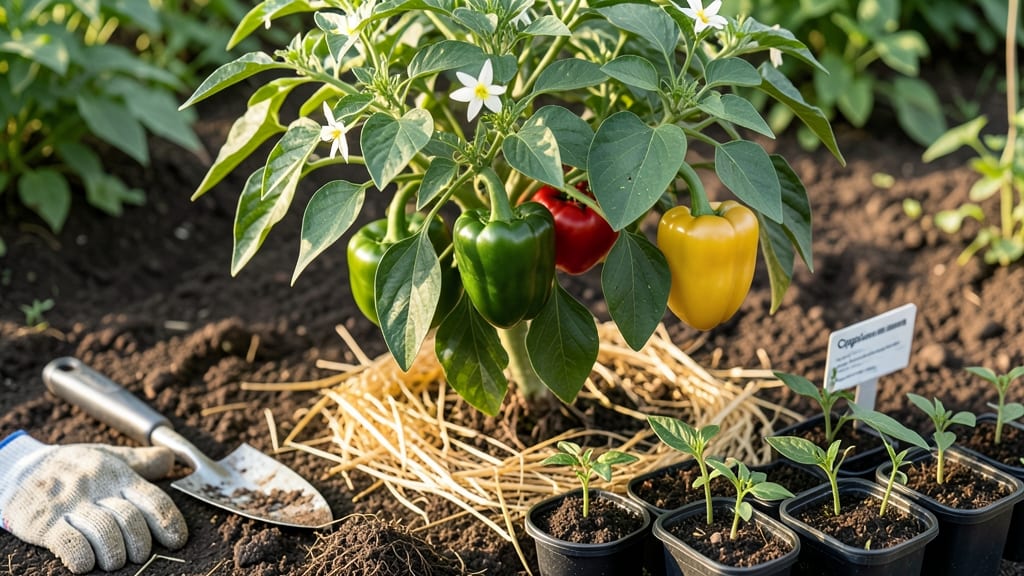
Knowing when to plant bell peppers in Missouri can mean the difference between a bumper crop and wasted effort. With Missouri's 5b-6b climate zones, timing isn't just about dates—it's about understanding how your local weather patterns will affect your 🌶️ plants from seed to harvest.
Missouri gardeners face unique challenges: late spring frosts that can nip tender seedlings, summer heat that demands heat-tolerant varieties, and unpredictable weather that can throw off even the best-laid plans.
But don't worry—I've got the exact 2024 planting schedule tailored to Missouri's climate, including soil temperature requirements and regional adjustments to maximize your success.
Whether you're starting with transplants or seeds, this guide will walk you through the ideal planting window—April 15 to May 31—and show you how to adjust for Missouri's quirks.
You'll discover which varieties thrive best in your zone, how to protect your plants from pests, and when to expect your first harvests from July through October.
Ready to grow a garden full of sweet, vibrant bell peppers? Let's dive into the heat-ready timeline that will help you beat Missouri's weather and enjoy a productive harvest all season long.
Missouri’s 2024 bell pepper planting timeline by last frost date
Missouri’s climate varies dramatically from north to south, but one rule applies everywhere: bell peppers hate cold. They need warm soil and air to thrive, which is why your planting window hinges on last frost dates and soil temperature thresholds.
In Missouri, this typically falls between April 15 and May 31, but exact timing depends on your USDA zone (5b-6b).
For example, northern Missouri (like St. Louis) often waits until mid-May to transplant, while southern areas (like Springfield) can start as early as late April. The key is waiting until soil temperatures hit 60°F+—any cooler, and your seedlings will shock and stall.
Missouri’s unpredictable spring weather adds another layer of complexity. A late frost in May can wipe out young plants, while planting too late risks a harvest cut short by fall’s first frost (October 30). Balancing these factors ensures your peppers mature before the season ends.
Here’s a breakdown of ideal planting windows for Missouri’s major regions, including heat tolerance thresholds and soil prep tips to avoid transplant shock.
Missouri Bell Pepper Planting Timeline
| Region | Last Frost Date | Ideal Transplant Window | Soil Temp Requirement | Heat Tolerance Tip |
|---|---|---|---|---|
| Northern MO (St. Louis) | April 15–May 1 | May 15–June 1 | 60°F+ | Use row covers for late frosts |
| Central MO (Columbia) | April 1–April 15 | April 20–May 10 | 60°F+ | Start seeds indoors 8–10 weeks early |
| Southern MO (Springfield) | March 15–April 1 | April 1–April 30 | 65°F+ | Choose heat-tolerant varieties |
| Western MO (Kansas City) | April 10–April 25 | April 25–May 15 | 60°F+ | Mulch to retain heat |
⚠️ Pro Tip: Test soil temperature with a soil thermometer before planting. If it’s below 60°F, wait 1–2 weeks or use black plastic mulch to warm the soil faster.
If you’re starting seeds indoors (which I recommend for early varieties), begin them 8–10 weeks before your last frost date. For Missouri, that means sowing seeds by February 15–March 1 in northern zones and as late as March 15–April 1 in southern areas.
Seedlings need 6–8 hours of sunlight daily and 70–80°F soil to germinate properly. Use grow lights if natural light is limited, and keep seedlings in warm (75°F) environments until transplanting. Hardening off seedlings for 7–10 days before moving them outside reduces shock.
Missouri’s summer heat can also stress bell peppers if they’re planted too late. Aim to harvest before September 1 to avoid blossom end rot or stunted growth from extreme heat. If you miss this window, opt for late-maturing varieties like ‘Aristotle’ or ‘Carolina Wonder’.
Finally, don’t forget to amend your soil with compost or aged manure before planting. Bell peppers thrive in well-draining, slightly acidic soil (pH 6.0–6.8). If your soil is heavy clay (common in Missouri), mix in sand or peat moss to improve drainage.
🌱
How to adjust planting for Missouri’s unpredictable weather patterns
Missouri’s weather can be as unpredictable as a spring shower—one day it’s sunny, the next it’s a late frost that threatens your bell pepper seedlings. The key to success is flexibility.
I’ve planted peppers for years in Missouri, and I’ve learned that adjusting your timeline based on real-time conditions can save your harvest from disaster.
Start by monitoring your local last frost date, but don’t rely on averages. In my experience, St. Louis can see frost as late as April 25, while Springfield might be frost-free by April 10.
Use a frost calculator or check with your local Cooperative Extension office for real-time updates. This small step can mean the difference between thriving plants and lost seedlings.
Here’s my go-to strategy for handling Missouri’s weather quirks: plant your first batch of transplants after your average last frost date, but always have a backup plan. If temperatures dip unexpectedly, cover your seedlings with row covers or a cold frame.
I’ve used lightweight floating row covers to protect my peppers from 32°F nights—and they’ve survived just fine.
Use Row Covers for Early Planting
Plant bell pepper transplants 2–3 weeks before your average last frost date and cover them with floating row covers. This buys you extra time and protects tender seedlings from light frosts (down to 28°F). Remove covers once plants are established and temperatures stay above 50°F at night.
Extend the Season with Succession Planting
Missouri’s short growing season (about 165 frost-free days) means you can’t afford to wait until May to plant. Instead, make 2–3 plantings:
- First planting: Early April (under covers)
- Second planting: Mid-May (after last frost)
- Third planting: Late June (for fall harvests)
Prepare for Heatwaves with Mulch
Missouri summers can hit 95°F+, and bell peppers hate heat stress. Keep soil cool and moist by applying 2–3 inches of mulch (straw or shredded leaves work best). Mulch also suppresses weeds and retains moisture, which is critical during drought-like conditions that can hit in July or August.
Don’t forget to harden off your seedlings before transplanting. If you started peppers indoors, expose them to outdoor conditions for 7–10 days before planting. This gradual transition helps them adapt to Missouri’s wind and temperature swings. I’ve seen seedlings shock and wilt when rushed—so take your time here!
Finally, keep an eye on the 7-day forecast before planting. If a cold snap is predicted, delay your outdoor planting and use grow lights or a sunny windowsill to keep seedlings healthy. With these adjustments, you’ll beat Missouri’s weather and enjoy a bountiful harvest all season long. 🌱