
Plants
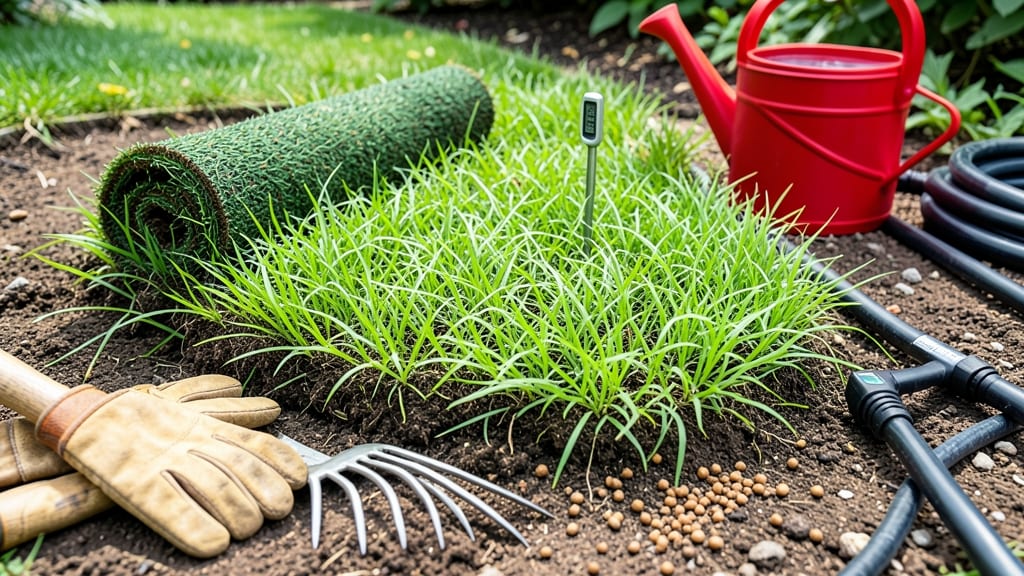
Timing your Bermuda Grass 🌱 planting in North Georgia isn’t just about the calendar—it’s about beating the heat and avoiding winter’s chill. With USDA Zones 7a-8a bringing intense summers and occasional freezes, getting this right means the difference between a lush lawn and a patchy disappointment.
Most gardeners in this region swear by late spring to early summer planting, but there’s a catch: rushing it can leave your grass vulnerable to late frosts or struggling to establish before summer’s brutal heat.
I’ll break down the exact windows that work best for your climate, so you can plant with confidence and skip the guesswork.
You’ll also discover why soil temperature matters more than the date on your calendar—and how to prep your yard like a pro. Whether you’re seeding or laying sod, these localized tips will help your Bermuda Grass take root faster and stay resilient through Georgia’s wild swings in weather.
Let’s dive into the secrets of planting Bermuda Grass 🌱 at the perfect moment, so you can enjoy that vibrant green lawn all season long without the headaches.
Optimal planting windows for Bermuda grass in North Georgia’s Zone 7a/7b
North Georgia’s Zone 7a/7b climate creates a tight window for planting Bermuda grass (Cynodon dactylon)—too early risks frost damage, while late planting struggles with summer heat and drought.
The ideal planting window spans from late April to early June, aligning with soil temperatures above 65°F (18°C) and consistent rainfall patterns. This timing ensures strong root establishment before Georgia’s brutal summer heat kicks in.
Bermuda grass thrives as a warm-season grass, meaning it needs heat to germinate and grow. In North Georgia, spring planting (April-May) gives seeds 3-4 months of growing season before winter dormancy, while fall planting (late August-September) risks insufficient time for root development before frost.
Let’s break down the critical factors that determine success in your region.
Soil temperature is your #1 guide—use a soil thermometer to confirm readings of 65°F+ at 4 inches deep. In North Georgia, this typically occurs around mid-April in lower elevations (e.g., Athens) but may delay until early May in higher elevations (e.g., Blue Ridge Mountains). Planting too soon? Seeds rot. Too late? Grass struggles to establish before summer drought.
| Planting Season | Optimal Months | Soil Temp Requirement | Key Considerations |
|---|---|---|---|
| Spring Planting | Late April–Early June | ≥65°F (18°C) | Best for sod or seed; 3-4 months to establish before summer heat |
| Fall Planting | Late August–Early September | ≥60°F (15°C) | Risky in Zone 7a/7b; limited growing time before frost |
| Microclimate Zones | Varies by elevation | N/A | Lower elevations (e.g., Athens): Plant 2 weeks earlier; higher elevations (e.g., Blue Ridge): Delay by 2 weeks |
| Seed vs. Sod | April–June (seed); April–May (sod) | ≥65°F (18°C) | Sod establishes faster; seeds take 10–14 days to germinate |
North Georgia’s variable rainfall patterns add another layer of complexity. Bermuda grass needs consistent moisture during germination, but too much rain can suffocate seeds. Aim for 1–1.5 inches of water per week (either from rain or irrigation) during the first 4 weeks post-planting.
In drought-prone areas like northwest Georgia, supplement rainfall with drip irrigation or soaker hoses to maintain even moisture.
One common mistake in North Georgia is planting Bermuda grass too late in spring (after early June). By this point, summer heat and drought stress can halt germination or stunt early growth.
If you miss the spring window, consider overseeding with ryegrass in fall for winter color—Bermuda grass won’t survive Georgia’s winters anyway. Think of it as a temporary cover crop until spring.
For sod installation, the window narrows further to April–early May. Sod requires immediate watering and root establishment, so planting in late spring gives roots 6–8 weeks to anchor before summer’s intense heat.
If you’re laying sod in June, expect slower recovery and higher maintenance to keep it alive during droughts.
Don’t overlook microclimate factors in North Georgia. Urban areas like Atlanta’s suburbs (Zone 7b) may warm up faster than rural mountain foothills (Zone 7a). Use a soil thermometer for 3–5 days to confirm consistent 65°F+ readings before planting.
Pro tip: Morning soil temps are often 5–10°F cooler than afternoon temps—plant in the early morning to avoid heat stress on seeds.
Finally, avoid planting Bermuda grass in fall unless you’re in Zone 8a+. In North Georgia’s Zone 7a/7b, fall-planted seeds rarely survive winter, and any growth spurt before frost is wasted energy.
If you’re determined to try fall planting, limit it to late August and use winter-hardy varieties like ‘Midiron’ or ‘Tifway,’ though results are still hit-or-miss.
Timing your Bermuda grass planting in North Georgia boils down to soil temperature, rainfall consistency, and elevation. Master these factors, and you’ll have a thick, drought-resistant lawn by summer. Miss them, and you’ll spend the season playing catch-up with patchy, struggling grass. 🌱
Optimal planting windows for Bermuda grass in North Georgia’s Zone 7a/7b
North Georgia’s Zone 7a/7b climate throws a curveball with its hot summers and cool winters, making Bermuda grass planting a game of precision. The ideal window for planting is when soil temperatures hit 65°F (18°C) and stay there—typically mid-April to early June.
This timing lets your grass establish roots before summer’s peak heat arrives, which can stress young plants.
If you’re seeding, aim for late April to May—this gives seeds 6-8 weeks of warm soil before summer’s intensity. For sod installation, early June works best, as the grass can spread quickly in the heat.
Planting too early risks frost damage, while waiting too late may leave your lawn struggling to establish before summer’s drought sets in.
Here’s the breakdown of what works best in North Georgia:
| Planting Method | Best Time | Soil Temp Requirement | Why It Works |
|---|---|---|---|
| Seeding | Late April - Early May | 65°F+ (18°C+) | Gives seeds time to germinate before summer heat |
| Sod Installation | Early June | 70°F+ (21°C+) | Faster root establishment in warm soil |
| Fall Planting (Risky) | Late August - Early September | 70°F+ (21°C+) | Limited time for root growth before winter dormancy |
North Georgia’s microclimates can shift planting windows by weeks. For example, higher elevations (like the Blue Ridge Mountains) may need to wait until early May, while lower elevations (like Athens or Macon) can start as early as mid-April.
Always check a local weather forecast for frost warnings—even in spring, late frosts can wipe out young seedlings.
One common mistake I see is planting Bermuda grass too late in spring. By June or July, the heat and drought stress can stunt growth, leaving your lawn thin and patchy.
If you miss the spring window, consider overseeding in early fall (late August), but expect slower establishment before winter sets in.
For the best results, monitor your soil temperature with a soil thermometer—it’s the most reliable way to time your planting. Once you’ve nailed the window, focus on watering deeply (1-1.5 inches per week) and keeping the soil moist until the grass is fully established.
This ensures your Bermuda grass thrives in North Georgia’s challenging climate.