
Plants
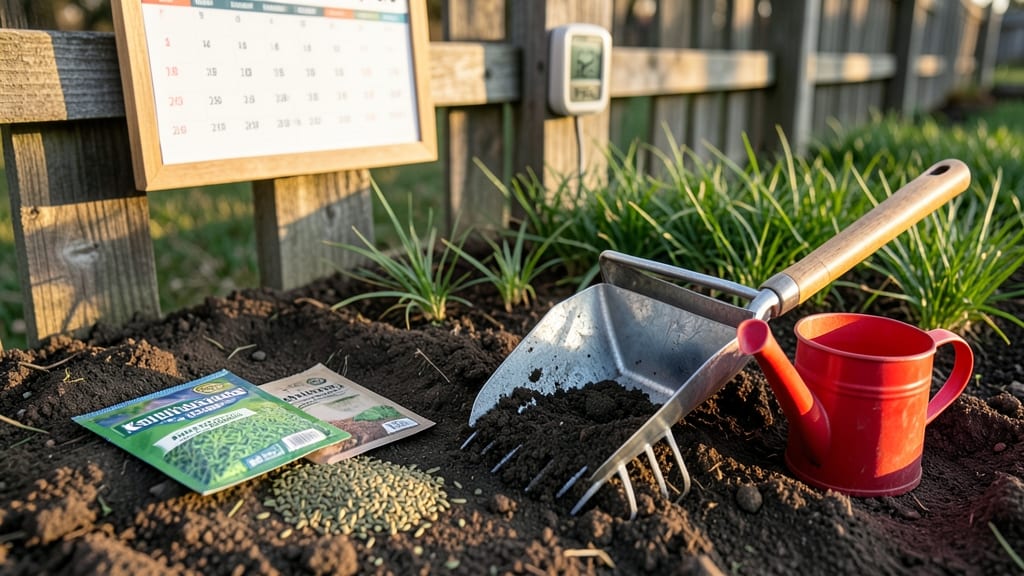
Planting grass seed in Minnesota is all about knowing when it is too late to plant grass seed—get the timing right, and you’ll have a lush 🌱 turfgrass lawn by next summer; get it wrong, and you’re left with patchy, frost-killed disappointment.
The question isn’t just when to plant, but what’s the absolute last date you can still succeed in your specific zone.
Most gardeners know spring is ideal, but Minnesota’s short growing season forces tough choices—especially if you missed the early window. The truth? Your last safe planting dates hinge on soil temperatures, frost forecasts, and even which hardiness zone you’re in.
For Zone 4 (northern MN), the clock runs out earlier than Zone 5 (southern MN), and ignoring that could mean wasted seed money.
I’ve seen too many lawns fail because of late planting—thin growth, winter kill, or seeds that never break dormancy. But there are ways to push the envelope if you act fast.
We’ll break down the exact cutoff dates by zone, plus pro tips to salvage late-season plantings without throwing in the towel.
Whether you’re a first-time homeowner or a seasoned gardener, knowing these deadlines could save you $200+ in seed and frustration. Let’s get into the specifics so you can plant with confidence—no guesswork allowed.
Minnesota’s last safe grass-seeding dates by hardiness Zone (4 vs. 5)
Minnesota’s USDA Zones 4 and 5 have starkly different frost timelines, making the last safe grass-seeding window a critical factor for success. In Zone 4 (northern MN), the window closes earlier due to colder soils, while Zone 5 (southern MN) offers a slightly extended season.
Missing these deadlines risks seed dormancy, frost damage, or weak root establishment before winter.
For both zones, the ideal soil temperature for grass seed germination is between 50–60°F. If temperatures drop below 40°F at night, seeds may fail to sprout or grow slowly.
Minnesota’s first hard frost typically arrives in mid-October, but planting too close to this date leaves little time for roots to develop.
Here’s the hard cutoff for each zone, based on local climate data and gardener feedback:
| Factor | Zone 4 (Northern MN) | Zone 5 (Southern MN) |
|---|---|---|
| Last Safe Planting Date | Late August (by Aug 25) | Mid-September (by Sept 15) |
| Soil Temperature Threshold | 50–55°F (daytime) | 55–60°F (daytime) |
| Frost Risk After Planting | High (first frost by Sept 30) | Moderate (first frost by Oct 15) |
| Germination Time | 7–14 days (slower in cold) | 5–10 days (faster in warmth) |
| Root Establishment Time | 4–6 weeks (limited time before frost) | 6–8 weeks (more time for growth) |
🌱 Pro Tip: Use a soil thermometer to confirm temperatures before planting.
If you’re in Zone 4 and plant after August 25, your grass may not establish strong roots before winter. In Zone 5, you have a bit more flexibility, but planting after September 15 still carries risks, especially if nights dip below 40°F.
Always check the National Weather Service for frost forecasts in your area before committing to late-season seeding.
For northern Minnesota (Zone 4), focus on early fall planting by late August. If you miss this window, consider overseeding in spring (April) instead. Southern Minnesota (Zone 5) gardeners have a slight advantage, but rushing past mid-September can still lead to poor germination due to cooling soils.
Another critical factor is seed variety. Cool-season grasses like Kentucky bluegrass and fine fescue tolerate Minnesota’s climate but need 4–6 weeks to establish roots. Tall fescue, a warm-season grass, is less ideal for late plantings due to slower cold-weather adaptation.
If you’re on the fence about timing, test your soil temperature first. Use a soil thermometer to measure 1 inch below the surface.
If it’s below 50°F, wait a few days—your seeds may not sprout at all. Minnesota’s unpredictable weather means even a 5-day delay can make the difference between success and failure.
For those in Zone 5 who plant in mid-September, prioritize watering and mulching to protect seedlings. Use straw mulch (not wood chips) to insulate seeds and retain moisture. Avoid heavy fertilizers late in the season, as they can encourage tender growth vulnerable to frost.
Remember: Grass seed needs consistent moisture to germinate. If you plant too late, drought stress combined with cool nights can kill seedlings before they take root. Always have a backup plan, like winter rye cover crops, if your timing is uncertain.
5 Warning signs you’ve missed the grass-seeding window in Minnesota
Even if you’ve planted your grass seed, Minnesota’s unpredictable fall weather can still sabotage your lawn. Ignoring these 5 warning signs means your seeds may never germinate—or worse, your new grass could die before winter. I’ve seen too many gardeners overlook these red flags, leading to wasted seed and frustration.
First, watch for soil temperatures dropping below 50°F. Grass seeds need warmth to sprout—once temps fall to this range, germination slows to a crawl. Use a soil thermometer (or your finger: cold soil = bad news).
If nights dip below 40°F consistently, your seeds are in dormancy limbo and may never wake up.
Next, check for early frost forecasts. Even a light frost can kill young grass shoots, leaving bare patches. The National Weather Service’s frost prediction maps are your best friend—bookmark them now.
If frost is expected within 7–10 days of planting, your seeds won’t have time to establish roots before winter sets in.
Another clue? Hardened soil crust on your planting area. If the top layer feels rock-hard when pressed, it’s blocking water and oxygen from reaching seeds. This happens when soil dries out after warm days but freezes at night.
Break up the crust with a rake or cultivator to give seeds a fighting chance.
Listen for seed dormancy risks too. Some varieties, like Kentucky bluegrass, go dormant in cold soil, while others (e.g., perennial ryegrass) struggle to germinate below 55°F. If your seed bag doesn’t specify cold tolerance, assume it’s risky to plant after mid-September in Zone 4.
Finally, if you see mold or fungal growth on the soil surface, your seeds are in danger. Late-season moisture combined with cool temps creates the perfect storm for lawn diseases like Pythium. Stop watering immediately and consider a fungicide treatment if you’re committed to saving the planting.
Don’t panic if you spot these signs—there are still ways to salvage your lawn! But act fast, because every day counts in Minnesota’s short growing season. 🌱
WARNING: Late Planting Risks
Planting grass seed too late in Minnesota can lead to:
- Poor germination (seeds won’t sprout)
- Weak root systems (frost damage risk)
- Fungal diseases (mold thrives in cool, wet soil)
- Wasted seed (money down the drain)
- Patchy lawn (uneven growth next spring)
If you’ve already planted and see these warning signs, don’t give up yet. Try cover crops like winter rye to protect bare soil, or use frost blankets to insulate young shoots.
But if it’s after mid-October, your best bet may be to wait until early spring for a fresh start.
Remember: Minnesota’s grass-seeding window closes fast. The earlier you act on these signs, the better your chances of a green lawn next summer. Stay vigilant—your future lawn will thank you! ✂️