
Plants
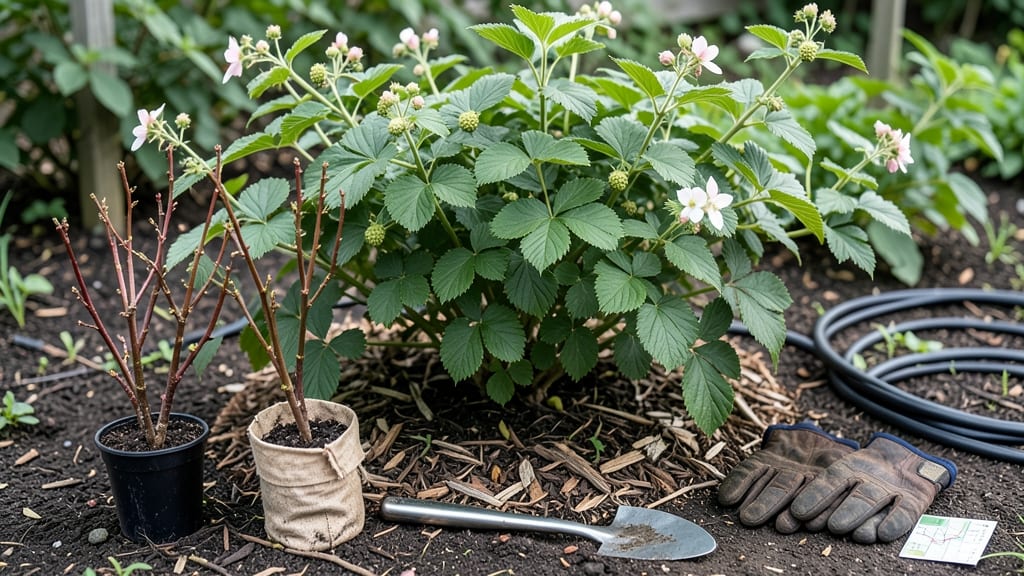
If you're dreaming of a backyard bursting with juicy 🫐 blackberries but don’t know when to plant blackberries in Indiana, timing is everything—plant at the wrong season, and you could end up with weak canes or wasted effort.
Indiana’s Zone 5-6 climate means that whether you choose spring or fall, precision matters: plant too early, and frost will damage tender growth; too late, and your berries may never reach their full potential.
Most gardeners assume spring is the only option, but fall planting can actually give your blackberries a head start. I’ll break down the exact planting windows that work best in Indiana, including how to prepare your soil and choose the right varieties for your yard’s security needs.
Whether you're working with bare-root canes or potted plants, knowing when to plant makes all the difference. We’ll cover how to avoid common mistakes that ruin blackberry growth and ensure your canes thrive from the very first season. Ready to grow blackberries that produce bountiful harvests year after year?
Let’s dive into the perfect timing and techniques for Indiana gardeners.
Best planting months for blackberries in Indiana’s Zone 5-6
Indiana’s Zone 5-6 climate creates a narrow window for planting blackberries—too early and frost will damage tender canes, too late and roots won’t establish before winter. The ideal planting months are early spring (March-April) and fall (September-October), when soil temperatures hover between 50°F and 60°F.
This balance lets roots settle before extreme heat or cold arrives.
For bare-root blackberries, early spring planting (right after the last frost date (April 15)) gives canes a full growing season to harden off before winter. Fall planting (by October 15) offers a second chance for root establishment, but avoid planting too late—cold soil can stunt growth.
Southern Indiana’s warmer microclimates may extend fall planting by 2-3 weeks compared to northern regions.
Potted blackberries are more flexible—they tolerate late spring planting (May) if you’re prepared to provide extra care like mulching and consistent watering. However, potted plants struggle in Indiana’s hot, humid summers unless shaded during peak afternoon heat.
Always check the soil temperature with a probe—it should be above 55°F before planting.
📅 Indiana Blackberry Planting Comparison
| Season | Best Months | Soil Temp | Indiana Notes |
|---|---|---|---|
| Spring | March-April | 50°F-60°F | Plant after last frost (avg. April 15). Northern IN may wait until mid-April. |
| Fall | September-October | 55°F-65°F | Avoid planting after October 15. Southern IN can extend to early November. |
| Late Spring | May | 60°F+ | Only for potted plants. Mulch heavily and water daily to prevent stress. |
Indiana’s variable frost dates mean you should monitor your local microclimate. Urban areas like Indianapolis often warm up 1-2 weeks earlier than rural northern counties, while valleys and low-lying spots may experience late frosts into May.
Use a frost date calculator (like the Old Farmer’s Almanac) to pinpoint your specific last frost window.
If you miss the primary planting window, don’t despair—blackberries can be planted in late summer (August), but they’ll need extra protection from Indiana’s humid summers.
Choose thornless varieties like ‘Natchez’ or ‘Arapaho’ for easier handling, and plant in a well-drained raised bed to prevent root rot from excess rainfall.
Pro tip: Soak bare-root canes for 2-4 hours before planting to rehydrate roots. Indiana’s clay-heavy soils benefit from adding compost or sand to improve drainage. Amend the planting hole with a 50/50 mix of native soil and compost to give roots a nutrient boost right away.
Northern Indiana gardeners should prioritize early spring planting to avoid short growing seasons, while southern Indiana growers have more flexibility with fall planting. Always choose disease-resistant varieties like ‘Chester’ or ‘Triple Crown’ to combat Indiana’s high humidity and fungal pressures.
After planting, mulch heavily with straw or wood chips to retain moisture and regulate soil temperature. Indiana’s swinging temperatures can stress young canes, so mulch helps stabilize the root zone. Water deeply 2-3 times per week for the first month to encourage root growth.
Remember: Blackberries thrive with patience. In Indiana’s climate, canes planted in spring may not bear fruit until their second or third year. The key is consistent care—proper planting timing sets the stage for years of juicy, homegrown blackberries.
Best planting months for blackberries in Indiana’s Zone 5-6
Indiana’s Zone 5-6 climate offers two prime windows for planting blackberries: early spring (March–April) and fall (September–October). These periods align with soil temperatures that encourage root establishment without frost stress. Spring planting gives canes the entire growing season to establish, while fall planting allows roots to develop before winter dormancy.
For spring planting, aim for March 15–April 15, once soil temperatures reach 50°F (10°C) and the last frost date (around April 15) has passed. This ensures tender roots aren’t damaged by late frosts.
Fall planting, on the other hand, should occur 6–8 weeks before the first frost (typically September 1–October 15), giving roots time to anchor before winter.
Indiana’s microclimates can shift planting windows by 2–4 weeks. Southern Indiana’s warmer zones (like Zone 6b) may safely plant up to April 30, while northern areas (like Zone 5a) should stick to March 15–April 15 to avoid frost damage.
Check your local USDA Plant Hardiness Zone for precision.
| Season | Ideal Months | Soil Temp Threshold | Key Consideration |
|---|---|---|---|
| Spring | March 15–April 15 | 50°F (10°C) | Avoid late frosts |
| Fall | September 1–October 15 | 60°F (15°C) | 6–8 weeks before frost |
Adjust your timing based on Indiana’s frost patterns. If you’re in a low-lying area with colder microclimates, err on the earlier side (e.g., March 1–April 1 for spring).
Conversely, urban heat islands in cities like Indianapolis may extend your fall window to mid-October. Always monitor local weather forecasts for unexpected frost warnings.
For bare-root canes, spring planting is ideal—they establish roots quickly in warm soil. Potted plants, however, can handle fall planting better since their roots are already established.
Choose thornless varieties like ‘Natchez’ or ‘Arapaho’ for easier harvests, or opt for thorny types like ‘Triple Crown’ if wildlife isn’t an issue.
Timing isn’t just about the calendar—it’s about soil readiness. Test your soil’s pH (5.5–6.5) and amend with compost or peat moss if needed. Mulch heavily after planting to retain moisture and regulate soil temperature, especially in Indiana’s variable spring weather.
With the right timing and prep, your blackberries will thrive from day one. 🌱