
Plants
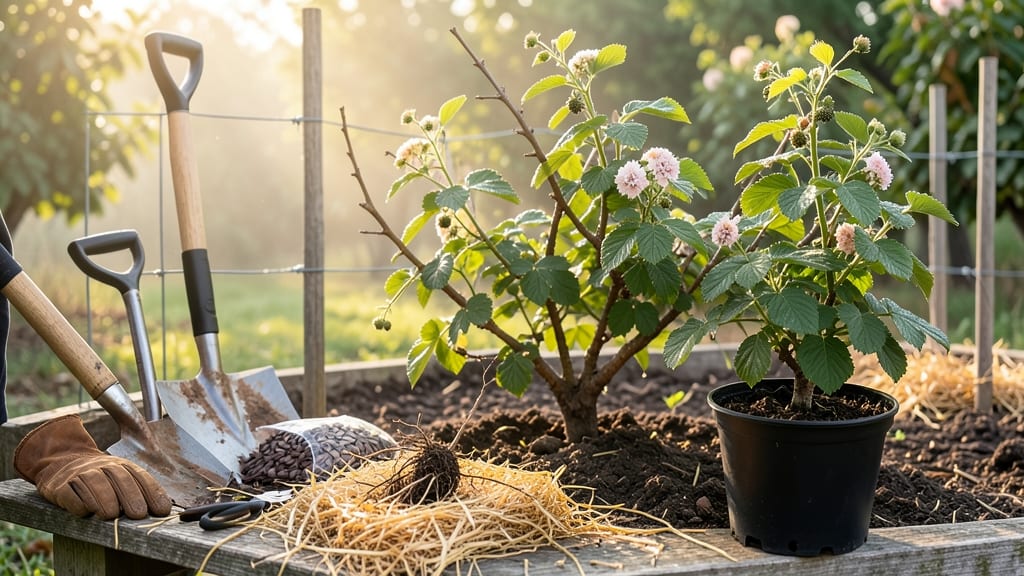
Timing is everything when it comes to planting blackberries 🫐 in Ohio, and getting it wrong could mean the difference between a thriving bush and one that struggles to survive.
With Ohio’s 6a zone and unpredictable spring weather, knowing the exact window to plant can save you from frost damage or weak root establishment.
Most gardeners in Ohio swear by early spring planting—between March and April—when soil temperatures reach a steady 55°F. But did you know fall planting in September or October can also work wonders?
The key lies in understanding your local frost dates and how they align with your blackberry variety’s chill-hour needs.
In this guide, I’ll break down the best planting months, soil prep tips, and how to match your blackberry type to Ohio’s climate. Whether you’re a first-time grower or a seasoned gardener, these insights will help you plant with confidence—and set the stage for a bountiful harvest come summer.
Ready to avoid common mistakes and maximize your blackberry bushes’ potential? Let’s dive into the perfect planting schedule for Ohio’s unique growing conditions.
Ohio blackberry planting zones: matching chill hours to varieties
Ohio’s diverse climate—from the cool northern regions to the warmer southern areas—means not all blackberry varieties thrive equally. The key to success is matching your USDA zone (5-7) with the right chill-hour requirements (300-1,000+ hours below 45°F).
Northern Ohio gardeners (Zone 5) need everbearing varieties like 'Chester' or 'Triple Crown,' while southern Ohio (Zone 7) can grow summer-bearing types like 'Natchez' or 'Ouachita' with ease.
Chill hours determine whether your blackberries will flower and fruit properly. For example, 'Apache' (everbearing) needs 300-500 chill hours, while 'Darrow' (summer-bearing) thrives with 700-1,000 chill hours. Planting the wrong type in your zone risks poor fruit set or no harvest at all.
Always verify your exact chill hours using local weather data or a chill-hour calculator.
Ohio’s microclimates add another layer of complexity. Urban areas like Columbus (Zone 6) may experience earlier springs than rural zones, while valleys near the Appalachians can stay cooler longer. If you’re unsure, observe nearby fruit trees like apples or cherries—they follow similar chill-hour patterns.
For example, if peach trees bloom early in your area, you likely have fewer chill hours than expected.
Here’s how to verify your chill hours:
- Check the USDA Plant Hardiness Zone Map for your exact location.
- Use a local weather station (like the NOAA database) to track sub-45°F temperatures.
- Compare your totals to the variety’s requirements before purchasing.
| Variety Type | Chill Hours Needed | Best Ohio Zones | Notes |
|---|---|---|---|
| Everbearing (e.g., 'Chester', 'Triple Crown') | 300-500 hours | 5-6 | Produces two crops/year; ideal for cooler zones. |
| Summer-bearing (e.g., 'Natchez', 'Darrow') | 700-1,000+ hours | 6-7 | One large harvest; best for warmer zones. |
| Thornless (e.g., 'Arapaho', 'Ouachita') | 500-800 hours | 5-7 | Easier to harvest and handle; versatile for all zones. |
If you’re in Zone 5 or 6, prioritize everbearing or semi-everbearing varieties like 'Apache' or 'Chester.' These types handle Ohio’s late frosts better and produce fruit in both spring and fall.
For Zone 7, summer-bearing types like 'Natchez' or 'Darrow' will reward you with a single, massive harvest in late summer.
Pro tip: Thornless varieties (e.g., 'Arapaho') are a game-changer for families or small gardens. They require less pruning and are easier to harvest by hand. However, they may need extra winter protection in northern Ohio, like a thick layer of straw mulch or row covers.
Always buy certified disease-free plants from reputable nurseries. Ohio’s humid summers create ideal conditions for blackberry diseases like anthracnose or rust. Ask for resistant varieties like 'Cheyenne' or 'Black Satin' to reduce your risk.
Planting the right type in the right zone isn’t just about timing—it’s about long-term success.
🌱
Best planting months in Ohio: soil temperature, frost dates, and moon phases
Ohio’s last frost dates vary dramatically—from early April in southern regions like Cincinnati to mid-May in northern areas like Cleveland. This means your planting window shifts depending on where you live.
For most of Ohio, the safest time to plant blackberries is when soil temperatures consistently reach 55°F or warmer, typically between March and April.
Fall planting is also an option, but you’ll need to get it done by September or early October before the first frost hits. This gives roots time to establish before winter dormancy.
I’ve planted blackberries in both seasons with success, but spring planting gives you a head start on growth before Ohio’s hot summers arrive.
🌱 Pro Tip: Use a soil thermometer to check temperatures—planting in cold soil can stunt root growth and leave your bushes vulnerable to disease.
Step-by-Step Planting Timeline for Ohio
Early Spring (March-April)
Plant when soil reaches 55°F+ and last frost is 3+ weeks away. Choose everbearing varieties for two harvests.
Soil Prep (2-3 Weeks Before)
Test soil pH (5.5-6.5) and amend with compost. Till to 12 inches deep for root growth.
Planting Day (Spring)
Dig holes twice as wide as root ball, space 3-5 feet apart, and water deeply after planting.
Fall Planting (Sept-Oct)
Plant 6-8 weeks before frost to allow root establishment. Use mulch (4-6 inches) to protect roots.
Moon Phase Tip
Plant during a waxing moon (root growth phase) for stronger establishment.
Ohio’s northern vs. southern regions also play a role. In Zone 5b (northwest Ohio), aim for mid-April planting, while Zone 7a (southern Ohio) can start as early as late March. Always check your local USDA zone map and historical frost data to adjust your timeline.
After planting, monitor your bushes closely. Young blackberries are delicate and need consistent moisture—especially during Ohio’s hot, dry summers. Mulching with straw or wood chips helps retain soil moisture and regulates temperature swings.
🌿 Remember: The best planting time is when your soil is warm, frost risk is low, and you’ve prepped the bed properly. With these steps, your blackberries will thrive and reward you with juicy, sweet berries all summer long.