
Plants
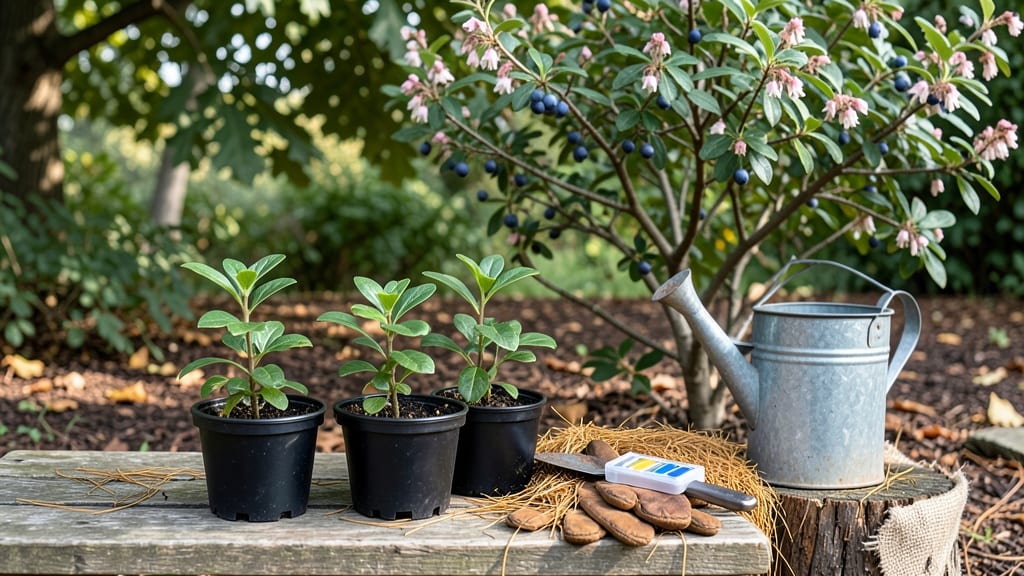
Timing your blueberry planting in Indiana can mean the difference between a thriving 🫐 bush and one that struggles—or worse, doesn’t survive. With Indiana’s 6a zone climate, you’ve got just a 3-week window each spring (late April to early May) to get it right after the last frost.
But here’s the catch: planting too early risks frost damage, while waiting too long means your bushes won’t establish strong roots before winter. The key is matching your blueberry variety to Indiana’s chill hours—most varieties need 5,000–7,500 hours below 45°F to produce fruit.
In this guide, I’ll break down the best planting times for both spring and fall, whether bare-root or potted plants perform better in your area, and how to prep your soil for maximum success. Let’s get those bushes off to the right start!
You’ll also discover which blueberry varieties thrive in Indiana’s heat and humidity, plus pro tips to ensure your harvest stretches from late June through August. Ready to turn your backyard into a blueberry powerhouse?
Indiana blueberry planting calendar by chill-hour requirements
Indiana’s USDA Zones 5-6 create ideal conditions for blueberries, but matching varieties to chill-hour requirements is key. Northern Indiana (Zone 5) needs 7,000–7,500 chill hours, while Southern Indiana (Zone 6) thrives with 5,000–6,000 chill hours. Planting outside these ranges risks poor fruit set or winter damage.
Most Indiana gardeners opt for Northern Highbush varieties like ‘Bluecrop’ or ‘Duke,’ which handle our winters well. Southern Highbush types (e.g., ‘Premier’) suit milder southern Indiana microclimates. Rabbiteye varieties are rare here—they demand 4,000+ chill hours and struggle in colder zones.
Soil temperature is equally critical. Roots need 40°F+ soil to establish before spring planting (late April–early May). Fall planting (September) works too, but avoid planting when frost is forecast within 2 weeks—young roots won’t survive.
Here’s how Indiana’s frost-free window (typically April 15–October 15) aligns with planting:
| Variety Type | Chill Hours Needed | Best Planting Window | Soil Temp Requirement | Frost Risk |
|---|---|---|---|---|
| Northern Highbush | 7,000–7,500 | Late April–early May OR September | 40°F+ | High in Zone 5 |
| Southern Highbush | 5,000–6,000 | Late April–May OR September–early October | 45°F+ | Moderate in Zone 6 |
| Half-High (e.g., ‘Top Hat’) | 6,500–7,000 | April–May OR September | 40°F+ | Moderate in both zones |
Spring planting (after last frost) gives bushes 6–8 weeks to root before summer heat. Fall planting (6–8 weeks before first frost) lets roots establish before winter dormancy. Bare-root plants are cheaper but must be planted immediately upon arrival, while potted plants offer flexibility for fall timing.
Pro tip: Use mulch (3–4 inches of pine straw) after planting to insulate roots. In Zone 5, add extra mulch in late fall to protect against early frosts. Southern Indiana gardeners can plant 1–2 weeks later than northern regions due to milder winters.
Monitor your local microclimate—valleys and low spots frost earlier than hills. If you’re unsure about chill hours, check your Indiana State Climate Office data or use a chill-hour calculator for precise variety matching.
Once planted, blueberries need 1–2 years to bear fruit, but proper timing now ensures decades of harvests. Pair your planting date with soil pH testing (4.5–5.5) and adequate spacing (3–6 feet apart) for long-term success.
🫐🌱
Step-by-step planting guide for Indiana’s climate zones
Indiana’s spring frost patterns and summer heat demand a strategic approach to planting blueberries. Whether you’re working in northern Indiana’s Zone 5b or southern Indiana’s Zone 6a, timing and soil prep are critical.
I’ll walk you through the exact steps to ensure your bushes thrive, from soil pH adjustments to spacing and post-planting care.
First, test your soil’s pH level—blueberries need acidic soil (4.5–5.5). If your soil is too alkaline, amend it with peat moss or sulfur at least 4–6 weeks before planting.
This gives the soil time to adjust, preventing root burn. For a quick check, grab a soil test kit from your local garden center.
🌱
Soil Prep
- Test soil pH (aim for 4.5–5.5)
- Amend with peat moss or sulfur if needed
- Mix in compost for nutrients
- Loosen soil to 12 inches deep for roots
Planting Time
- Spring: Late April–early May (after last frost)
- Fall: September–early October (before ground freezes)
- Avoid extreme heat or cold during transplant
Planting Depth
- Dig a hole twice as wide as the root ball
- Place plant so top of root ball sits 1 inch above soil
- Backfill with amended soil, tamping gently to remove air pockets
After planting, mulch around the base with pine straw or wood chips to retain moisture and suppress weeds. Keep the mulch 2–3 inches thick but avoid piling it against the stem.
Water deeply immediately after planting and again every 3–5 days for the first month, ensuring the soil stays moist but not soggy.
Indiana’s summer heat can stress young bushes, so shade cloth during the first year may help. Once established, blueberries are drought-tolerant but still need 1–2 gallons of water per plant weekly. In late fall, apply a 2-inch layer of mulch to protect roots from freezing temperatures.
💧