
Plants
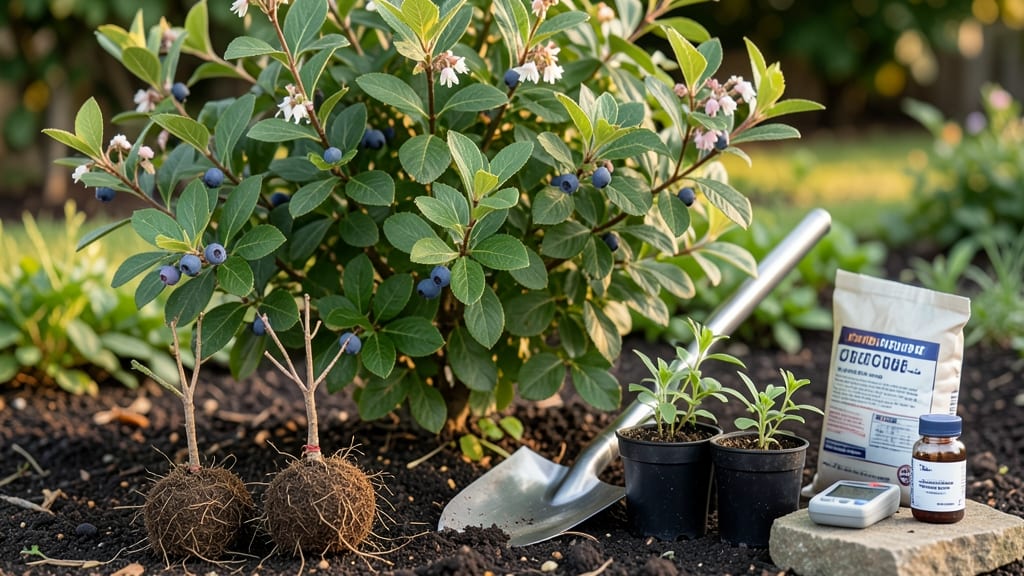
Planting blueberries in Maryland at the wrong time can mean the difference between a thriving bush and one that struggles—or worse, dies before it even gets a chance to fruit.
With Maryland's 7a-7b climate and unpredictable frost dates, timing is everything for your 🫐 bushes to establish strong roots before summer heat or winter cold sets in.
Most Maryland gardeners assume spring is the only option, but fall planting can actually give your blueberries a head start—if you know the exact chill-hour requirements for your chosen variety.
Whether you're planting rabbiteye, southern highbush, or northern highbush types, I'll break down the best windows to avoid common mistakes that leave bushes stunted or vulnerable.
You'll discover how to match your planting schedule with Maryland's frost-free dates, prepare the perfect acidic soil, and select varieties that thrive in your specific microclimate. Let's get your blueberries off to the right start so you can enjoy that first harvest in June or July.
From soil pH tests to mulching strategies, I’ll walk you through every step to ensure your blueberries take root like they’re meant to—so you’re not left wondering why your bushes aren’t growing like they should. Ready to plant with confidence?
Maryland blueberry planting calendar by chill-hours and zone (6a-7b)
Maryland’s USDA zones 6a-7b offer a 180-day growing season, but blueberries need precise timing to thrive. The key? Matching chill-hour requirements (400–1,000 hours below 45°F) with your zone.
Plant too early, and frost burns tender roots; too late, and roots won’t establish before winter. Let’s break it down by variety and zone.
For zone 6a (northern Maryland), aim for late March to early April when soil temperatures hit 45°F. Southern highbush varieties like ‘Tifblue’ need 400–500 chill hours, while northern highbush types like ‘Bluecrop’ require 800–1,000 chill hours.
Zone 7b gardeners have flexibility: plant February–March for rabbiteye types or wait until late April if frost threatens.
Here’s the visual breakdown of planting windows, chill-hour needs, and frost risks for Maryland’s top blueberry varieties:
Pro tip: Use mulch (3–4 inches of pine straw) after planting to insulate roots. For zone 7b, if late frosts linger, opt for container planting—you can move pots to a sheltered spot if needed. Always plant bare-root blueberries in early spring or fall (October) for best results.
Maryland’s last frost date averages March 15, but microclimates vary. Urban areas (like Baltimore) warm faster, while rural spots (like western Maryland) stay colder longer. Check your local frost-free days and adjust planting by 2–3 weeks if your area runs late.
For fall planting, aim for October in zone 6a or November in zone 7b. Fall-planted bushes establish roots before winter, giving them a head start in spring. Just ensure soil stays above freezing for 4–6 weeks post-planting.
If you miss the spring window, don’t panic! Late-spring planting (May) works for container-grown blueberries, but expect a smaller first-year harvest. Prioritize watering (1–2 gallons weekly) and shade cloth during heatwaves to reduce stress.
Remember: Blueberries hate wet feet. Amend soil with peat moss or sulfur to lower pH to 4.5–5.5, and plant on a slightly raised mound for drainage. This simple step prevents root rot, a common issue in Maryland’s clay-heavy soils.
🌱
Maryland blueberry planting calendar by chill-hours and zone (6a-7b)
Maryland’s USDA Zones 6a-7b demand precision when planting blueberries—chill-hour requirements (400-1,000 hours) dictate which varieties thrive. In Zone 6a, where winters dip below 0°F, plant rabiteye varieties like ‘Tifblue’ in late winter (February) to avoid early frost damage.
Meanwhile, Zone 7b gardeners can extend planting into early spring (April) for southern highbush types like ‘Climax’, which tolerate milder winters.
Timing isn’t just about frost—soil temperature matters too. Blueberries need 40-50°F soil to root effectively. In Maryland, this typically aligns with March-April, but urban areas (like Baltimore) may warm 2-3 weeks earlier due to the heat island effect.
Always check local frost-free dates—most of Maryland’s last frost hovers around March 15, but inland areas can see late frosts into April.
| Variety Type | Chill-Hours Needed | Best Planting Window | Zone Fit | Key Tip |
|---|---|---|---|---|
| Northern Highbush | 600-900 hrs | Early Spring (March) | 6a-7a | Plant with ‘Duke’ pollinator |
| Southern Highbush | 300-500 hrs | Late Winter (Feb) or Early Spring (Apr) | 7a-7b | Avoid low-lying areas |
| Rabiteye | 400-700 hrs | Late Winter (Feb) | 6a (western MD) | Needs warm microclimate |
For Zone 7b, where winters are milder, late-spring planting (May) is an option if you miss the ideal window—but only for southern highbush varieties. These bushes establish roots faster in warmer soil, but they’ll need extra mulch (4-6 inches) to retain moisture during Maryland’s hot, dry summers.
If you’re in Zone 6a, stick to bare-root plants in February-March; container-grown bushes can go in until April, but they’ll need consistent watering to compensate for slower root growth.
Pro tip: Test your soil’s pH before planting—blueberries crave acidic soil (4.5-5.5). Maryland’s native soils often skew alkaline (6.5+), so amend with sulfur or peat moss 2-3 months before planting.
This gives microbes time to lower pH naturally, reducing the risk of root burn from sudden acidification. For container growing, use a pre-mixed acid-loving blend to skip this step entirely.
Don’t overlook microclimates—your neighbor’s yard might be 2°F warmer due to sun exposure or pavement. In urban Maryland, south-facing slopes or roof gardens can push planting 2 weeks earlier.
Conversely, low-lying areas (like Annapolis’ Chesapeake Bay shoreline) may need delayed planting to avoid spring floods, which can drown young roots.
If you’re planting in fall (a backup for missed spring windows), do it 6-8 weeks before first frost—typically late September in Maryland. Fall-planted bushes focus on root growth rather than foliage, giving them a head start for next spring’s harvest.
Just avoid planting after October, as new roots won’t harden off before winter. For Zone 7b, this means no fall planting after October 15.
Remember: Blueberries take 2-3 years to bear fruit, so patience is key. Planting at the right time ensures your bushes survive Maryland’s extremes—from sub-zero winters to 90°F summersdecades of harvests. Start with one bush, master the timing, then expand! 🌱