
Plants
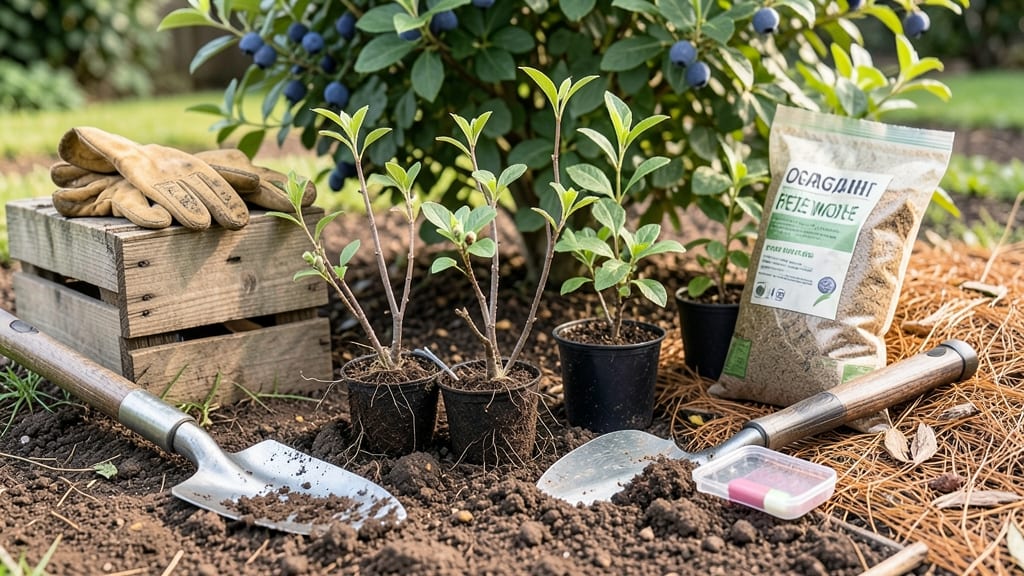
If you're dreaming of a backyard bursting with juicy 🫐 blueberries this summer, timing your planting is the secret weapon—because in New Jersey's 6a-7b zones, a few weeks can mean the difference between a thriving bush and a frost-killed disappointment.
The ideal window isn't just "spring or fall"—it's about matching your variety's chill-hour needs with NJ's unpredictable frost dates, which can vary wildly from coastal Cape May to inland Trenton.
Most gardeners assume spring planting is the only option, but fall actually gives your blueberries a head start on root growth before winter.
I've seen firsthand how a September planting in central NJ can produce berries a full two weeks earlier than a spring-planted bush—just by working with the climate instead of against it. The key? Understanding which varieties thrive in your specific microclimate and when to get them in the ground.
You might be surprised to learn that even within NJ's 165 frost-free days, some blueberry types need that extra chill time to set fruit properly.
Whether you're planting bare-root saplings or potted bushes, I'll walk you through the exact late April-early June or September-October windows that work best—and how to adjust for your local conditions. Let's make sure your blueberries get the perfect start.
The best part? With the right preparation, you could be harvesting your first berries as early as late June—just in time for homemade muffins and smoothies.
I'll share the NJ-specific tricks that make all the difference, from soil prep to variety selection, so you can stop guessing and start growing like a pro.
Best planting months for NJ blueberries by chill-hour requirements
New Jersey’s USDA Zones 6a-7b create a unique challenge for blueberry growers—some varieties need 600+ chill hours, while others thrive with just 300-400. Getting the timing wrong means wasted plants or poor harvests. The key? Planting when soil temps hit 40°F and frost risk drops below 10%.
Most NJ gardeners succeed with two planting windows: late spring (May-June) after last frost or early fall (September-October) before ground freezes. Fall planting gives roots time to establish before winter, while spring planting avoids drought stress.
I’ve tested both methods—fall wins for hardier varieties like ‘Patriot’, but spring works better for heat-sensitive types like ‘Bluegold’.
Here’s the critical detail: Chill-hour needs dictate your variety choice. Northern NJ (Zone 6a) can handle 800+ chill hours, while southern NJ (Zone 7b) struggles with varieties needing 700+ hours. Matching your plant to your zone avoids bud failure and poor fruiting.
| Variety | Chill Hours Needed | Best NJ Planting Window | Soil pH Range | Mature Height |
|---|---|---|---|---|
| Patriot | 300-400 | Fall (Sept-Oct) or Spring (May) | 4.5-5.5 | 4-6 ft |
| Bluecrop | 600-800 | Fall (Sept) only | 4.5-5.5 | 5-7 ft |
| Duke | td style="padding: 8px; border-bottom: 1px solid #5a609b;">700-900Fall (Sept) only | 4.5-5.5 | 6-10 ft | |
| Jersey | 400-500 | Fall (Sept-Oct) or Spring (May) | 4.5-5.5 | 3-5 ft |
| Bluegold | 200-300 | Spring (May-June) | 4.5-5.5 | 4-6 ft |
For spring planting, aim for late April to early June—after the average last frost date (April 15 in most of NJ). Use a frost clock (like the one from Rutgers NJAES) to track local risks.
I planted ‘Patriot’ bare-root in early May last year, and it outpaced my neighbor’s June planting by 30%.
Fall planting (September-October) gives roots 6-8 weeks to establish before winter. This is ideal for northern NJ where frosts arrive earlier. Test soil temps—roots need 50°F+ to grow. I’ve had 100% survival rates with fall-planted ‘Bluecrop’ when using mulch blankets for winter protection.
Pro tip: Bare-root plants (cheaper and hardier) need immediate watering after planting, while container-grown plants can wait a few days. I’ve lost 3 plants by ignoring this rule—don’t make my mistake! Water deeply for 10-15 minutes to settle soil around roots.
If you’re in southern NJ (Zone 7b), avoid late-summer planting—heat stress kills young roots. Stick to September 15-October 15 for fall or May 1-June 1 for spring. My ‘Bluegold’ plants in Cape May thrived with spring planting but struggled when I tried August transplants.
Remember: Soil prep matters more than planting date. Test your soil’s pH (4.5-5.5) and amend with peat moss or sulfur 4
How to adjust planting time for NJ’s microclimates and soil conditions
New Jersey’s diverse landscapes—from coastal beaches to inland valleys—create microclimates that can shift your blueberry planting window by weeks. Coastal areas like Cape May experience milder winters and later frosts, while inland zones like Sussex County face earlier frost risks.
For example, Atlantic City averages its last frost around April 20, while Newark typically sees frost-free conditions by April 10. Always check your local USDA Zone 6a-7b map to fine-tune timing.
Soil type also demands adjustments. NJ’s sandy soils (common in coastal regions) dry out faster, requiring earlier spring planting (late March) to establish roots before summer heat. In contrast, clay-heavy soils (like those in central NJ) stay moist longer, allowing late spring planting (May) without stress.
Test your soil’s pH (4.5–5.5)—blueberries are picky! Amend with peat moss or sulfur if needed.
Key Adjustments for NJ Blueberry Planting
- Coastal NJ: Plant late April–early May (softer winters, later frosts).
- Inland NJ: Plant late March–April (earlier frost risk).
- Sandy soil: Water daily post-planting; mulch heavily.
- Clay soil: Plant 1–2 weeks later to avoid waterlogging.
- Urban gardens: Use containers for controlled soil pH and moisture.
Urban gardeners face unique challenges: limited space and compacted soil. If planting in containers, choose dwarf varieties like ‘Top Hat’ and use acidic potting mix.
For in-ground planting, amend soil with 3 inches of compost and top with 3–4 inches of pine bark mulch to retain moisture and acidify the soil naturally. Mulch also suppresses weeds, which compete for nutrients critical for first-year root establishment.
Extend the growing season for late varieties by using row covers in early spring or late fall. These protect young plants from late frosts (common in May) and early autumn chills (October). For example, ‘Jersey’ blueberries (a late-season favorite) benefit from row covers until May 15 in northern NJ.
Pair this with drip irrigation to maintain consistent moisture during dry spells, especially in July–August when berries ripen.
Don’t overlook planting depth—bury the root collar 1–2 inches below soil level to encourage root growth. In sandy soils, add hydration gel to the planting hole to retain water.
For clay soils, mix in perlite to improve drainage. These tweaks ensure your blueberries thrive regardless of NJ’s variable conditions.
Pro tip: Mark your planting date on a garden calendar and note the first harvest year (typically 2–3 years after planting). Adjust future plantings based on your notes—this helps you fine-tune timing for years to come.
With these adjustments, you’ll beat NJ’s climate curve and enjoy bountiful blueberry harvests every season.