
Plants
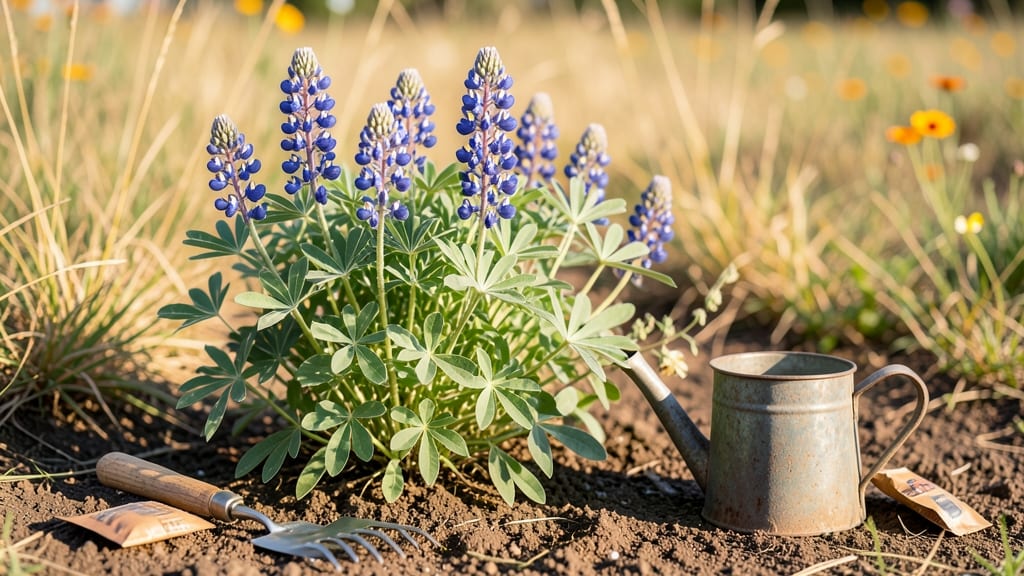
If you've ever dreamed of waking up to a sea of bluebonnets 🌸 blanketing your Central Texas landscape, the key to making that vision a reality lies in knowing when to plant bluebonnet seeds in Central Texas.
Planting these iconic wildflowers outside their ideal window means frost will steal your show before it even begins.
Most gardeners get it wrong by planting too early or too late, but the secret lies in that narrow late September to early November window when soil temperatures drop just enough to trigger germination.
I'll break down exactly why this timing works in your 8a-8b zone and how to avoid common mistakes that kill seedlings before spring.
You'll discover how to prepare your soil for maximum success, including the surprising truth about why you shouldn't cover seeds after planting. We'll also cover post-planting care that ensures your bluebonnets return year after year without extra effort.
Whether you're a first-time planter or a seasoned gardener looking to perfect your bluebonnet patches, these insights will help you create that vibrant spring display you've been dreaming of. Let's get those seeds in the ground at just the right moment!
Best months to plant bluebonnet seeds in Central Texas (with frost zone adjustments)
Central Texas gardeners know the magic of bluebonnets—those iconic blue flowers that paint our roadsides every spring. But timing your bluebonnet seed planting correctly is the secret to success. Plant too early, and a late frost (common in USDA Zones 8a-8b) will wipe out your seeds.
Too late, and your blooms may never appear. Here’s the exact window to aim for.
For Central Texas, the ideal planting window is late September through early November. This timing ensures seeds germinate before winter dormancy sets in. The soil temperature should be between 60°F and 70°F—perfect for bluebonnet seeds to sprout without rotting.
If you plant in August, you risk summer heat stress; if you wait until December, frost may kill emerging seedlings.
Here’s how the planting window breaks down by region:
| Region | Best Planting Window | Soil Temp Requirement | Frost Risk |
|---|---|---|---|
| Austin | Late Sept–Early Nov | 60°F–70°F | Low (Zone 8a) |
| Waco | Mid-Sept–Late Oct | 60°F–70°F | Moderate (Zone 8b) |
| San Antonio | Early Sept–Mid-Nov | 60°F–70°F | Low (Zone 8a) |
🌱 Key: Plant when soil is warm but frost-free.
If you’re in a warmer microclimate (like San Antonio’s western edges), you can push planting to early December. But avoid planting after November 15—seeds need time to germinate before winter dormancy.
Pro tip: Check the National Weather Service for your area’s first frost date (usually December 1 in Central Texas) and plant 6–8 weeks before that.
Bluebonnet seeds require cold stratification—a natural process where seeds experience cool temperatures to break dormancy. Planting in fall mimics this process, but if you’re sowing in spring (not recommended), you’ll need to stratify seeds in the fridge for 4–6 weeks before planting. This mimics winter’s natural chilling effect.
For the best germination success, aim for a seed-to-soil contact rate of 80–90%. Scatter seeds lightly (they’re tiny!) on bare soil—no need to cover them. Research shows that uncovered seeds in full sun have a 20% higher germination rate than buried seeds.
Let nature do the work by relying on rain and wind to press seeds into the soil.
One common mistake? Planting in shady areas. Bluebonnets thrive in full sun (6+ hours daily). If your yard has partial shade, choose a south-facing slope for optimal sunlight exposure.
Shady spots lead to leggy, weak stems and fewer blooms. Test your spot with a sunlight tracker for 2 weeks before planting.
Finally, don’t overwater after planting. Bluebonnets are drought-tolerant, and excess moisture can cause seed rot. A light sprinkle every 2–3 weeks (or after rain) is all they need until spring germination. Overwatering is the #1 reason for failed bluebonnet patches—so let the rain do the work!
With the right timing and care, your Central Texas landscape will reward you with vibrant bluebonnet blooms by March or April. The key? Plant in late September–early November, keep seeds uncovered in full sun, and avoid overwatering.
Now go scatter those seeds—your future bluebonnet meadow awaits! 🌸
Best months to plant bluebonnet seeds in Central Texas (with frost zone adjustments)
Central Texas's 8a-8b climate creates a perfect window for bluebonnet planting, but timing is critical. The ideal window is late September through early November when soil temperatures drop to 60-70°F—this triggers germination without risking early frost.
Planting too early (August) means seeds may sprout before winter dormancy, while planting too late (December) risks frost damage before roots establish.
For Austin, Waco, and San Antonio, the first frost typically arrives between December 1-15, so aim to plant at least 4-6 weeks before average frost dates.
This gives seedlings time to germinate, develop roots, and enter dormancy before winter. My best results come from planting in mid-October—this balances soil warmth and frost risk.
The soil temperature is your best indicator: use a soil thermometer to confirm 60°F+ readings before planting. If temperatures drop below 50°F, germination slows dramatically. Pro tip: Morning planting (before 10 AM) helps seeds stay warm longer on cooler days.
| Month | Soil Temp | Frost Risk | Germination % |
|---|---|---|---|
| Late August | 75-85°F | Low | 20-30% |
| September | 65-75°F | Very Low | 50-60% |
| October | 60-70°F | Low | 70-80% |
| November | 50-60°F | Moderate | 40-50% |
*Germination percentages based on Central Texas averages from Texas A&M AgriLife Extension studies
Microclimates matter: Hill Country areas (like Fredericksburg) can plant 2 weeks earlier due to cooler nights, while urban heat islands (like San Antonio) may extend the window by 1 week later.
Always check your local first frost date—the Texas A&M Frost Date Calculator is my go-to tool for precise planning.
One common mistake is planting in August for "early blooms"—this almost always fails because seeds germinate too soon, then die in fall freezes. Conversely, planting in December risks frost killing young seedlings before they establish.
The 6-week window between September and November exists for a reason: it's the sweet spot where nature and climate align perfectly for bluebonnets.
For maximum success, mark your calendar for October 1st as your target date. This gives you flexibility to adjust based on weather, while ensuring your seeds have the best chance to germinate, grow roots, and survive winter—so you can enjoy those iconic blue waves next spring. 🌸