
Plants
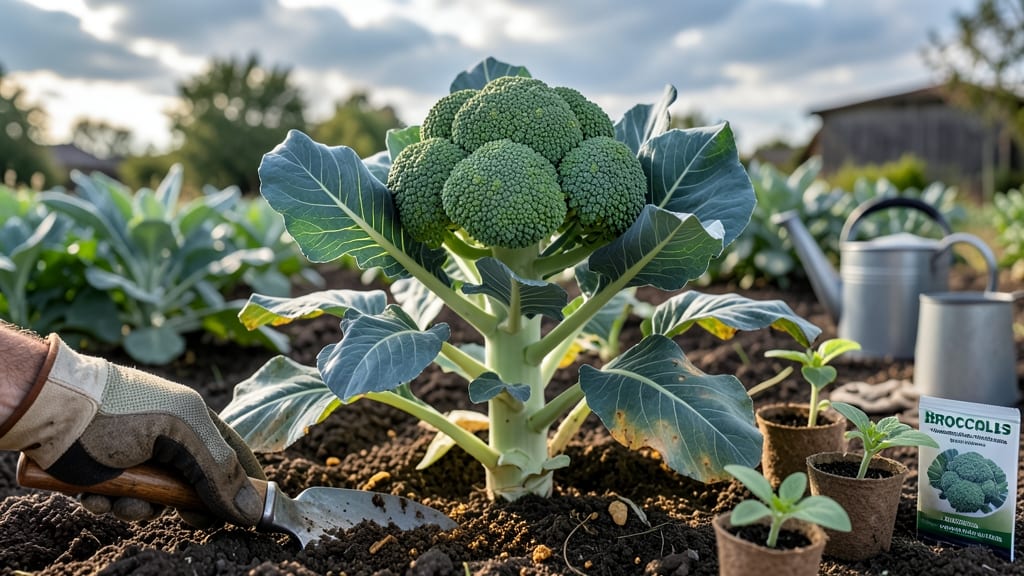
Timing your broccoli planting in North Texas isn't just about throwing seeds in the dirt—it's the difference between a thriving garden and a sad, wilted 🥦 pile.
With our short growing season and unpredictable weather, getting those plants in the ground at the right moment means the difference between a harvest full of crisp, flavorful heads and one that bolts or rots.
If you've ever planted broccoli only to watch it struggle through summer heat or freeze before it matures, you know how frustrating it can be. The key is understanding exactly when to start seeds indoors and when to transplant outside, based on your local frost dates.
In zones 7b-8a, those windows are narrow but doable with the right strategy.
I've grown broccoli in North Texas for years, and I'll show you exactly when to plant for two reliable harvests—once in early spring and again in fall.
We'll cover the ideal weeks before frost, how to adjust for microclimates, and which varieties handle our heat best. Let's get your garden set up for success.
By the end, you'll know not just when to plant, but how to protect your crop from Texas heat and cold snaps. Ready to grow broccoli that actually thrives? Let's dive into the perfect planting schedule for your North Texas garden.
Best planting windows for broccoli in North Texas (by month & frost dates)
North Texas’ USDA Zones 7b-8a give us a 220-day frost-free season, which is perfect for two broccoli crops: one in fall and one in spring. The key? Planting at the right time to avoid summer’s brutal heat or winter’s early frosts.
I’ve grown broccoli here for years, and I’ve learned that timing is everything—especially when your harvest window is only about 4-5 months long.
For fall broccoli, the sweet spot is late August to early September. This gives your plants 60-70 days to mature before the first frost hits in mid-December.
If you plant too early (like July), your broccoli will bolt from the heat and go bitter. Too late (October), and frost will ruin your heads before they fully form.
Spring planting is trickier. You want to start seeds indoors in February and transplant outdoors by early March. This ensures your broccoli is ready to harvest by April or May, just before summer’s heat sets in.
If you wait until April to plant, your heads will struggle in the 90°F+ temperatures and never reach full size.
North Texas isn’t one climate—DFW, Waco, and Abilene can have microclimate differences of 2-3 weeks in frost dates. For example, Waco’s first frost often hits 1-2 weeks earlier than Dallas.
Always check your local Cooperative Extension Service for precise frost dates, but these general rules work for most of the region.
Here’s a quick breakdown of what you need to know for fall vs. spring planting, including the exact weeks before frost that work best:
| Season | Planting Window | Weeks Before Frost | Harvest Window | Key Varieties |
|---|---|---|---|---|
| Fall | Late August - Early September | 6-8 weeks | November - December | 'De Cicco,' 'Waltham 29' |
| Spring | Early March (transplant) | 12-14 weeks before last frost | April - May | 'Calabrese,' 'Green Gems' |
| Late Fall (Bonus Crop) | Mid-September (with row covers) | 4-6 weeks | October - November | 'Belstar,' 'Packman' |
*Adjust for microclimates: Waco plants 1-2 weeks earlier than DFW.
If you’re new to broccoli growing, fall planting is the easiest way to start. The cooler temperatures in September and October give your plants the perfect environment to thrive without bolting.
I recommend starting with 'De Cicco'—it’s a cold-hardy Italian heirloom that can handle light frosts and still produce sweet, flavorful heads.
For spring, transplanting is your best bet. Broccoli seeds take 7-10 days to germinate, and starting them indoors in February ensures they’re ready to go outside by early March.
Use biodegradable pots so you can transplant without disturbing the roots. Harden off your seedlings for 5-7 days before moving them to the garden to avoid shock.
One mistake I see often is planting broccoli too close to summer. If you miss the fall window, don’t try to grow broccoli in June or July—it’ll bolt within weeks.
Instead, save that space for heat-tolerant veggies like okra or sweet potatoes. Broccoli is a cool-season crop, and it needs temperatures between 60°F and 75°F to grow well.
Pro tip: If you love broccoli, plan for two plantings. A fall crop in September and a spring crop in March will give you fresh broccoli for half the year. Just remember—soil prep is critical.
Broccoli loves rich, well-draining soil with a pH of 6.0-7.0. Before planting, mix in 2-3 inches of compost and a balanced fertilizer (like 5-10-10) to give your plants the nutrients they need to thrive.
🌱
How to extend broccoli harvests in North Texas’ short growing season
North Texas gardeners face a tough challenge: our short growing season leaves little room for mistakes when planting broccoli. But with the right strategies, you can stretch your harvest from early spring to late fall.
The key is succession planting, choosing cold-hardy varieties, and protecting young plants from unpredictable Texas weather.
I’ve found that planting broccoli in two waves—once in early spring and again in late summer—gives me a steady supply of fresh heads. Each wave requires careful timing to avoid bolting from heat or freezing before maturity.
Let’s break down how to maximize your harvest without extending your growing season beyond its limits.
For fall crops, start seeds indoors 8–10 weeks before your average first frost (typically mid-February). Transplant seedlings outdoors in late August to early September, giving them enough time to mature before winter sets in. This method ensures you’ll harvest before the first hard frost in mid-December.
🌱 3-Step Planting Calendar for Continuous Harvests
- Step 1: Start seeds indoors 8–10 weeks before frost (early February for spring, late June for fall). Use seed trays with well-draining soil and keep them in a sunny window or under grow lights.
- Step 2: Transplant seedlings outdoors 4–6 weeks before frost (early March for spring, late August for fall). Harden off seedlings by gradually exposing them to outdoor conditions for 7–10 days before planting.
- Step 3: Use row covers or cold frames to extend the season. These protect young plants from unexpected cold snaps and allow you to plant 2–3 weeks earlier in spring or 2–3 weeks later in fall.
Choosing the right broccoli varieties makes all the difference in North Texas. Varieties like 'De Cicco' and 'Waltham 29' are cold-hardy and thrive in our cooler months. These types can tolerate light frosts, giving you an edge when temperatures dip unexpectedly.
For summer planting, opt for heat-tolerant varieties like 'Calabrese', though I recommend avoiding summer planting entirely due to bolting risks.
Another trick I swear by is succession planting every 2–3 weeks during the growing season. By staggering your plantings, you ensure a continuous supply of fresh broccoli instead of a single, overwhelming harvest.
For example, if you plant your first batch in early March, follow up with another batch in mid-March and late March. This way, when the first heads are ready, the next batch is already growing.
Don’t forget about row covers—they’re a game-changer for North Texas gardeners. These lightweight fabrics protect your broccoli from late frosts and early freezes, extending your harvest window by 3–4 weeks. You can also use them to shield plants from pests like cabbage worms and aphids, which love to munch on tender broccoli leaves. Just
With these strategies, you can enjoy homegrown broccoli from April through December, even in our challenging climate. The secret is planning ahead, choosing the right varieties, and protecting your plants from the elements. Now grab your gardening gloves, and let’s get those seeds in the ground!