
Plants
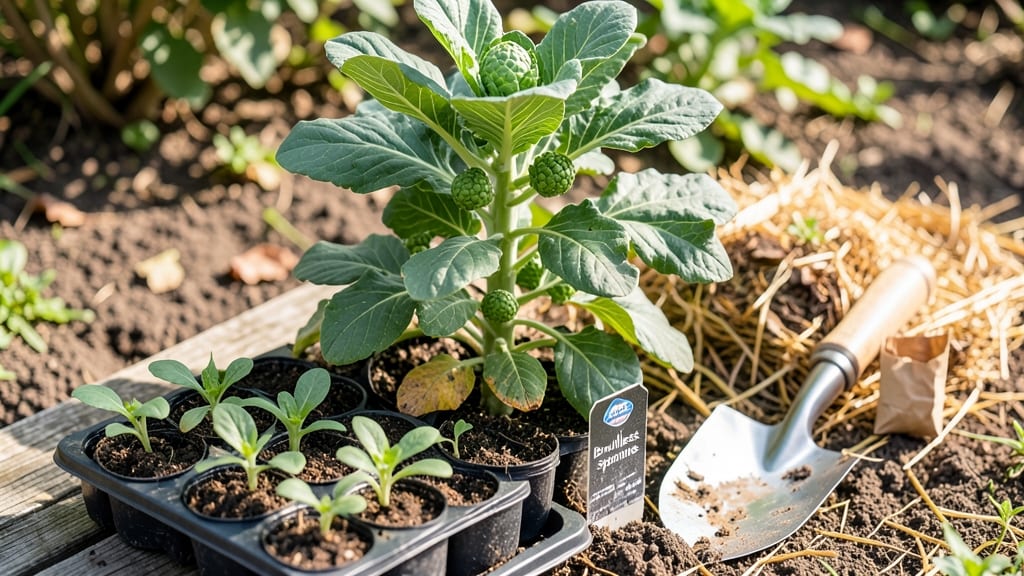
If you’ve ever wondered when to plant brussel sprouts in NJ, timing is the secret weapon between a thriving harvest and wasted effort.
These 🥦 cold-hardy greens demand precision—plant too early, and frost turns your crop into sad, mushy memories; too late, and summer heat sends them bolting before you even get a chance to enjoy them.
New Jersey’s 6a-7b zones throw another curveball, with coastal areas playing by different rules than inland valleys. The key? Knowing your microclimate.
Spring plantings should hit the ground between mid-April and early May, while fall lovers can sow seeds from late July to August—just before the heat tapers off. But here’s the catch: soil temperature matters more than the calendar.
I’ll break down the exact windows for your corner of NJ, whether you’re battling salty coastal breezes or baking in the Piedmont’s summer sun.
You’ll learn how to adjust for early frosts, when to start seeds indoors, and which varieties handle NJ’s quirks best—so you can go from “maybe next year” to “harvesting October to December” in no time.
No more guessing games. Just proven strategies to turn your garden into a 🥦 powerhouse, no matter where you live in the Garden State. Let’s get those sprouts growing!
NJ microclimate planting zones for Brussels sprouts: coastal vs. inland timelines
New Jersey’s diverse climate zones—from the cooler coastal regions to the warmer inland valleys—create unique challenges for growing Brussels sprouts. The last spring frost in USDA Zone 6a (like Cape May) arrives weeks later than in Zone 7b (like Morris County), meaning your planting schedule should shift accordingly.
For example, coastal areas like Atlantic City can start seeds indoors in early March, while inland zones like Trenton wait until mid-March. This variability is why understanding your microclimate is critical for a successful harvest.
Brussels sprouts thrive in cool weather, making fall planting the most reliable strategy in NJ. However, the timing depends on your zone: coastal gardeners can sow seeds as early as late July, while inland gardeners should wait until mid-August to avoid summer heat stress.
The goal is to establish plants before soil temperatures drop below 50°F, which slows growth and reduces yield. Using a soil thermometer ($15–$20) helps track these shifts accurately.
Here’s how NJ’s four key microclimates affect your planting schedule:
| Zone | Last Spring Frost | First Fall Frost | Spring Planting Window | Fall Planting Window |
|---|---|---|---|---|
| Coastal (e.g., Cape May, Atlantic City) | Mid-April | Late October | Mid-April to early May | Late July to early August |
| Piedmont (e.g., Trenton, Princeton) | Early April | Mid-October | Late April to early May | Early August to mid-August |
| Highlands (e.g., Sussex County) | Late March | Early October | Late April to early May | Mid-August to early September |
| Inland Valleys (e.g., Morris County) | Early April | Mid-October | Early May | Late August |
Source: NJ Agricultural Experiment Station (NJAES) frost data
For spring planting, aim to transplant seedlings into the garden 2–3 weeks before your last frost date. This gives plants time to establish roots before summer heat arrives.
In cooler zones like Sussex County, you can even start seeds outdoors in early April, but cover them with row fabric to protect from late frosts. Inland areas should wait until soil temperatures reach 45°F—use a seedling heat mat ($20–$30) if needed to jumpstart germination.
Fall planting is where NJ gardeners excel, thanks to the state’s long growing season. The key is to sow seeds 8–10 weeks before your first frost, ensuring plants mature before cold sets in.
For example, in Atlantic City, this means late July sowing for a mid-October harvest. In warmer inland zones like Morris County, wait until mid-August to avoid bolting. Varieties like 'Ruby Ball' (purple sprouts) handle cooler temps better than 'Long Island Improved', which is more heat-tolerant.
Adjust your schedule if you experience early or late frosts. Check the NJAES frost calendar or local Cooperative Extension offices for updates. For instance, if your area faces an unusually warm spring, delay planting until May 1st to avoid bolting—when plants flower prematurely and become bitter.
Conversely, a
NJ microclimate planting zones for Brussels sprouts: coastal vs. inland timelines
New Jersey’s 6a-7b zones create dramatic differences in planting success for 🥦 brussel sprouts. Coastal areas like Cape May experience earlier last frosts (late March), while inland zones like Sussex County can see frost lingering until mid-April.
These variations mean your planting window could shift by 3 weeks depending on location.
The key to success? Soil temperature—Brussel sprouts thrive when soil reaches 45°F+. Coastal regions hit this mark by early April, while inland areas may need to wait until mid-April. Always check the NJAES frost calendar for your specific county before planting.
Here’s how to align your planting with NJ’s microclimates for maximum yield:
For spring plantings, aim to have seedlings ready by mid-April in most of NJ. Start seeds indoors 8-10 weeks before your last frost date—use grow lights to prevent leggy seedlings. Coastal gardeners can push this to early April, while northern zones should wait until late April.
Fall plantings are trickier but rewarding. Sow seeds late July to early August for a harvest window from October to December.
Inland areas can extend this slightly later, but avoid planting after mid-August—longer days trigger bolting. Variety selection matters: 'Ruby Ball' handles heat better than 'Long Island Improved' for late-summer starts.
Pro tip: Use row covers in early spring or late fall to extend your season by 2-3 weeks on either end. Just remember—Brussel sprouts need cool nights (50-60°F) to sweeten up, so don’t rush into planting when summer heat lingers.