
Plants
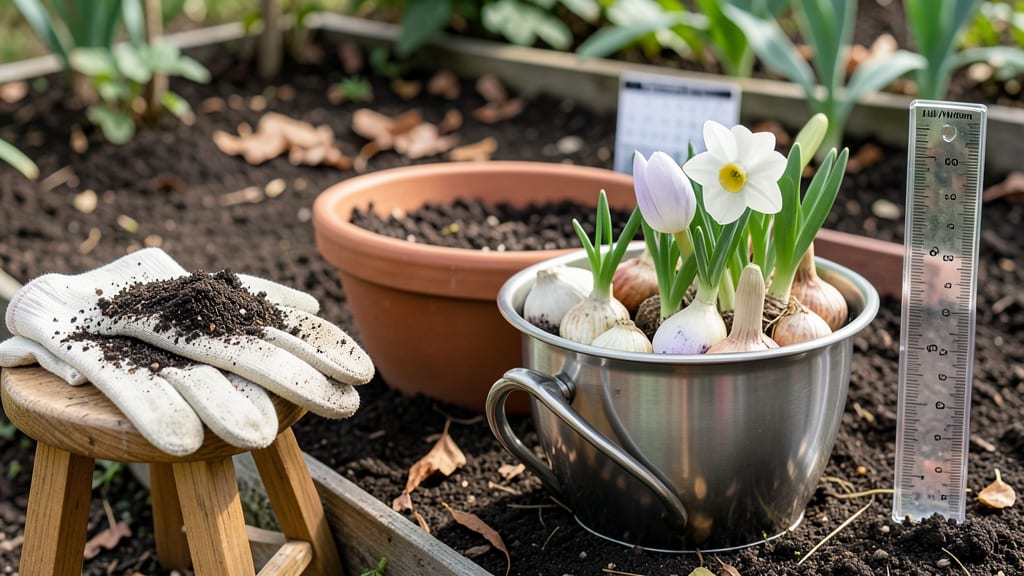
Planting bulbs in Florida might seem tricky—get the timing wrong, and your 🌷 tulips or daffodils could rot before they even bloom.
The key isn’t just picking the right month; it’s understanding how Florida’s unique climate zones (like 9a-11) and microclimates affect when to dig in your bulbs for vibrant spring or summer flowers.
Most gardeners know fall is the prime time for planting, but did you know North Florida’s cooler winters mean you should plant September–November for spring blooms? Meanwhile, South Florida’s milder winters shift that window slightly later. And let’s not forget summer-blooming bulbs like daylilies—they need early spring action to thrive.
But here’s the catch: even with perfect timing, soil prep and bulb selection can make or break your garden. Sandy soil? Clay-heavy? We’ll cover how to amend it for drainage, plus how to spot the 3 critical mistakes Florida gardeners make that kill growth before it starts.
Ready to avoid soggy bulbs and squirrel raids? I’ll walk you through Florida-specific planting schedules, regional tweaks, and post-planting care to ensure your bulbs not only survive but put on a show. Let’s get those 🌷 blooming!
Florida’s best planting months for bulbs by type (and why timing matters)
Florida’s frost-free winters and humid summers create a unique challenge for bulb growers. Unlike northern climates, where bulbs are planted in late fall for spring blooms, Florida’s mild winters and hot summers demand precise timing.
Most traditional spring-flowering bulbs like tulips and daffodils need cooler weather to establish roots before blooming, while tropical varieties like cannas thrive in Florida’s heat when planted in early spring.
Timing isn’t just about months—it’s about temperature cues. For example, hyacinths and crocus should be planted when soil temps drop below 70°F, typically in October–November in North Florida. In South Florida, where frost is rare, these bulbs can even be planted in December for a winter bloom.
Meanwhile, summer-blooming bulbs like dahlias and gladiolus need to be in the ground by February to avoid the brutal summer heat.
The key is understanding your USDA hardiness zone. North Florida (Zones 8a–9a) has cooler winters, so bulbs can handle fall planting earlier. Central Florida (Zones 9b–10a) should wait until October–November, while South Florida (Zones 10b–11) can plant year-round with minimal frost risk.
Even a 1–2 week delay can mean the difference between vibrant blooms and rotten bulbs.
Here’s the golden rule: Plant bulbs 6–8 weeks before the first frost for spring blooms, or 2–3 months before peak summer heat for tropical varieties. In Florida, that often means fall for cool-season bulbs and early spring for heat-lovers.
But don’t stop at timing—soil prep and microclimate adjustments are just as critical.
Central FL: November–December
South FL: December–January
South FL: January–February
Central/South FL: October–November
Why does this timing matter? Bulbs need 6–8 weeks of root growth before they bloom. In Florida’s heat, planting too early (like in August) can cause bulbs to sprout prematurely and burn in the sun.
Planting too late (like in December for North Florida) may mean they won’t bloom until next year. The exception is tropical bulbs, which can handle Florida’s heat year-round but still perform best when planted in early spring.
Another critical factor is soil temperature. Use a soil thermometer to confirm temps are below 70°F before planting cool-season bulbs. In sandy Florida soil, which heats up quickly, shade cloth or mulch can help regulate temperature.
For example, in Orlando’s Zone 9b, I’ve seen tulip bulbs planted in late November thrive, while the same bulbs planted in October often rot due to lingering summer heat.
Don’t overlook microclimates. Coastal areas like Tampa or Miami have higher humidity and milder winters, allowing for later planting. Inland cities like Gainesville or Ocala can have frost pockets, so adjust your schedule accordingly.
Even within a city, urban heat islands (like parking lots or pavement) can raise soil temps by 5–10°F, making shade and mulch essential.
Pro tip: Mark your calendar for Florida’s average first frost dates—North Florida’s November 15, Central Florida’s December 15, and South Florida’s rare frosts. Planting 6–8 weeks before these dates gives bulbs enough time to establish roots.
For example, if frost hits December 1 in your area, aim to plant by October 15.
Finally, choose Florida-friendly
3 Deadly mistakes Florida gardeners make when planting bulbs (and how to fix them)
Even with the perfect planting window, Florida gardeners often sabotage their bulbs with common mistakes. The first and most critical error is planting in summer heat. Bulbs like tulips and daffodils need cool soil—80°F+ temperatures trigger rot before roots establish.
I’ve seen gardeners dig holes in July only to watch their bulbs turn mushy within weeks.
Another frequent blunder is ignoring soil drainage. Florida’s sandy soils drain too fast, while clay-heavy areas hold water like a sponge. Without amendments, bulbs suffocate or develop fungal diseases.
Even raised beds can fail if the underlying soil is compacted—always check drainage by digging a test hole and filling it with water.
🚨 Here’s the third killer mistake: choosing non-native varieties without researching their frost tolerance. Many gardeners grab tulip bulbs from northern catalogs, only to have them bake in Florida’s winter warmth. Native alternatives like rain lilies (Zephyranthes) or spider lilies (Hymenocallis) thrive year-round with minimal fuss.
⚠️ Warning: The Top 3 Bulb-Killers in Florida
- 🔥 Planting in summer heat: Bulbs rot at 80°F+ soil temps. Wait until September–November for cool-season types.
- 💧 Poor drainage: Sandy soil? Mix in compost + perlite. Clay soil? Build raised beds with gravel bases.
- 🌡️ Wrong bulb selection: Avoid frost-sensitive varieties. Opt for tropical bulbs like cannas or native perennials like daylilies.
Pro Tip: Test soil moisture 2 weeks after planting. If it’s bone-dry, mulch with 3 inches of pine straw to retain moisture.
Let’s talk solutions. For summer planting, shade cloth over freshly planted bulbs can drop soil temps by 10–15°F. I’ve used 30% shade cloth in my Orlando garden to protect spring-planted daffodils during August heatwaves.
Pair this with drip irrigation set to water deeply twice weekly—never let bulbs dry out completely.
When it comes to soil amendments, Florida’s sandy soils need organic matter to hold moisture. Work in 3–4 inches of compost or well-rotted manure before planting.
For clay soils, mix in coarse sand or coconut coir to improve aeration. A quick soil test (pH 6.0–7.0 is ideal) can save you from guesswork.
Finally, pest pressure is a silent growth-killer. Squirrels and raccoons dig up bulbs like they’re buried treasure. I’ve had success with chicken wire cages (4–6 inches deep) around newly planted areas. For fungal risks like botrytis blight, apply a copper fungicide at planting and again in spring.
Remember: bulbs are low-maintenance once established, but Florida’s climate demands extra care during the first critical months. Avoid these mistakes, and you’ll enjoy vibrant blooms for years—no rot, no wilting, just pure garden glory. 🌷