
Plants
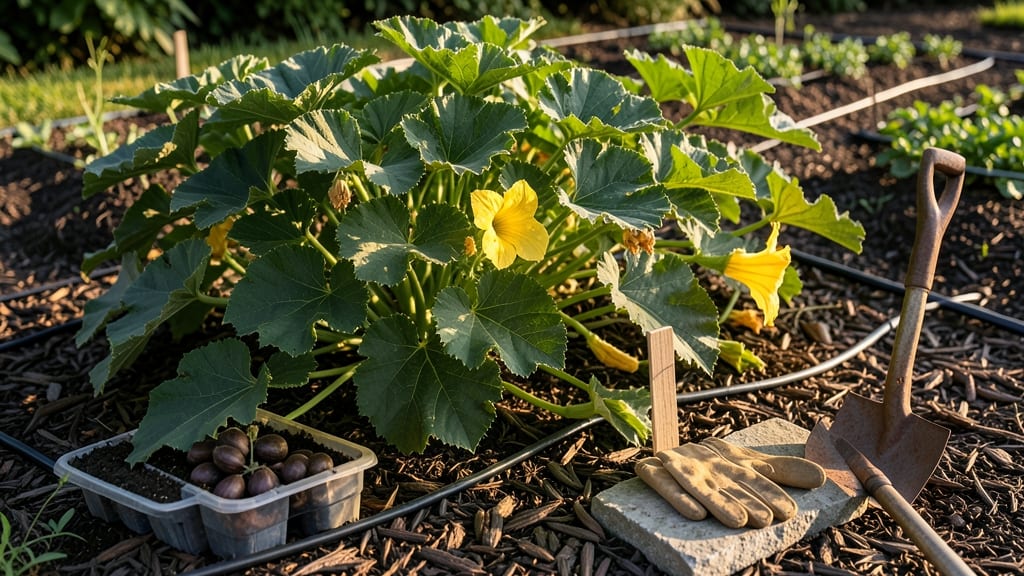
If you’ve ever wondered when to plant butternut squash in Florida without ending up with wilted vines or stunted fruit, you’re not alone. Florida’s unique climate—with its frost-free zones and long growing seasons—makes it possible to grow this 🎃 beauty year-round, but timing is everything.
Unlike cooler climates, Florida gardeners can plant butternut squash twice a year: once in spring (March-April) and again in late summer (August-September). But here’s the catch: planting too early in the heat can stress your plants, while waiting too long risks hurricanes or pests.
The key is understanding your local microclimate—whether you’re in North Florida’s cooler pockets or South Florida’s steamy lowlands.
In this guide, I’ll break down the exact planting windows for your Florida zone, soil temperature secrets, and how to adjust for humidity or heat spikes. You’ll learn how to avoid common mistakes that sabotage harvests and get your butternut squash thriving from June-July or November-December.
Ready to skip the guesswork? Let’s dive into the foolproof schedule that’ll have your garden producing sweet, hardy squash—no matter where you are in the Sunshine State.
Florida’s butternut squash planting calendar by heat zone
Florida’s climate lets you grow butternut squash in two main seasons: spring and fall. However, the exact timing depends on your USDA heat zone—North Florida’s cooler winters vs. South Florida’s year-round warmth. Let’s break it down by region to avoid heat stress or poor germination.
North Florida (Zones 8a-9a) has shorter growing seasons and cooler winters, while South Florida (Zones 10a-11) can grow squash almost year-round. Central Florida (Zones 9b-10a) offers a middle-ground with extended seasons. The key is planting when soil temperatures hit 60°F for spring or 70°F for fall.
Here’s a quick reference for your zone:
| Zone | Best Planting Window | Soil Temp Requirement | Harvest Window |
|---|---|---|---|
| North Florida (8a-9a) | March 15–April 15 | 60°F+ (spring), 70°F+ (fall) | June–July, November–December |
| Central Florida (9b-10a) | February 15–March 30, August 1–September 15 | 60°F+ (spring), 70°F+ (fall) | May–June, October–November |
| South Florida (10b-11) | January 15–March 15, July 15–September 15 | 65°F+ (year-round) | April–May, September–October |
For North Florida, aim for late March to mid-April to avoid summer heat. In Central Florida, you can stretch planting to February and August for two harvests. Meanwhile, South Florida gardeners enjoy year-round planting with minimal frost risk.
If you’re in a cooler microclimate (e.g., higher elevations), wait until after April 1 to plant. Use a soil thermometer to confirm temperatures—butternut squash won’t germinate below 60°F.
For fall planting, start seeds 8–10 weeks before your first frost date (though Florida rarely sees frost, err on the side of caution).
In South Florida, you can even try winter planting (December–January) under shade cloth if temperatures dip below 65°F. However, growth slows dramatically in cooler months, so prioritize spring and fall for best results.
Pro tip: Use black plastic mulch to warm soil faster in spring or row covers to protect seedlings from unpredictable cool snaps in fall. This extends your planting window by 2–3 weeks in transitional months.
For container growing, plant 4–6 weeks earlier than in-ground, as pots warm up faster. Just ensure containers are at least 12 inches deep and use well-draining potting mix to prevent root rot.
Always check your local frost dates (even in Florida!) via the Florida Climate Center or NFSUE for real-time updates. Microclimates near water bodies or urban areas can have 5–10°F temperature swings, so adjust accordingly.
Florida’s butternut squash planting calendar by heat zone
Florida’s climate lets you grow butternut squash in two prime windows: spring and fall. But the exact timing depends on your USDA heat zone—North Florida’s cooler pockets (Zone 8) vs. South Florida’s steamy lowlands (Zone 11).
Planting too early in heat or too late in the season risks stunted growth or pest damage.
For North Florida (Zones 8a-8b), aim for March 15–April 15 in spring and August 1–September 15 in fall. These dates align with soil temperatures hitting 60°F (spring) or 70°F (fall), ideal for germination.
South Florida (Zones 10a-11) can stretch planting to February–May and August–October, thanks to warmer soils year-round.
Soil temperature is your best guide: use a soil thermometer to confirm 60°F+ for spring or 70°F+ for fall. In Central Florida (Zones 9a-9b), you’ve got flexibility—plant February–April and August–September—but avoid peak summer heat (May–July), which stresses young plants.
| Heat Zone | Spring Planting | Fall Planting | Soil Temp | Harvest Window |
|---|---|---|---|---|
| North Florida (8a-8b) | March 15–April 15 | August 1–September 15 | 60°F+ | June–July, Nov–Dec |
| Central Florida (9a-9b) | February–April | August–September | 60°F+ (spring), 70°F+ (fall) | May–June, Oct–Nov |
| South Florida (10a-11) | February–May | August–October | 70°F+ year-round | April–June, Sept–Dec |
Pro tip: Transplant seedlings (not direct-sow) for faster results. Start seeds indoors 4–6 weeks before your zone’s ideal planting date. Harden off seedlings by moving them outdoors for 2–3 hours daily before transplanting to avoid shock.
In coastal areas, watch for hurricane season (June–November). If storms threaten, harvest or protect squash with row covers or temporary shade cloth. Inland regions can push fall plantings later, but avoid October 15+ to ensure harvest before cold snaps (rare but possible in North Florida).
For urban gardeners, container-growing works—just ensure pots are 18"+ deep and use well-draining soil. Mulch heavily to retain moisture and cool roots during Florida’s intense summers. With the right timing, you’ll enjoy sweet, homegrown butternut squash twice a year! 🎃