
Plants
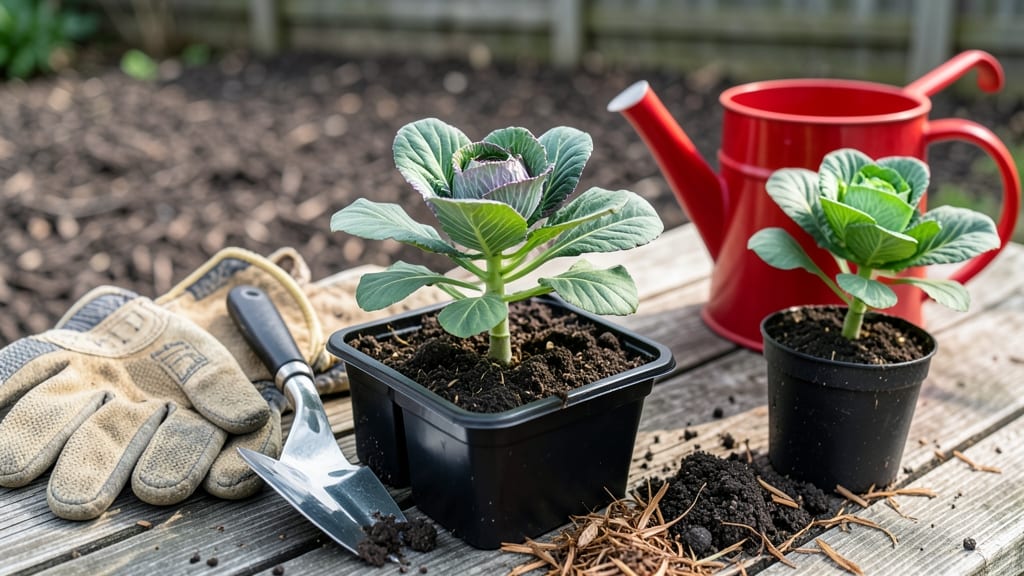
If you’ve ever planted cabbage in Zone 5 only to watch it bolt before forming a proper head, you’re not alone. The key to successful cabbage harvests lies in timing—specifically, planting 4-6 weeks before your last frost to give those 🥬 heads time to bulk up without rushing.
Spring is your best bet, with ideal transplant dates falling between March and April, but fall plantings in July or August can also yield great results.
The trick? Avoid the heat of summer or the chill of early spring, which can stress your plants and lead to bitter flavors or stunted growth.
In this guide, I’ll break down the exact planting windows for your Zone 5 garden, including soil prep tips, variety recommendations, and how to extend your harvest season. Whether you’re a beginner or a seasoned gardener, these strategies will help you grow plump, flavorful cabbages every time.
Ready to turn your cabbage dreams into reality? Let’s dive into the perfect planting schedule and avoid those common mistakes that ruin harvests.
Zone 5 cabbage planting calendar: exact dates for spring and fall success
Mastering the planting window for cabbage in Zone 5 means avoiding two common pitfalls: early planting that triggers bolting (premature flowering) or late planting that leaves your crop vulnerable to early frost.
The key is timing your transplants so they mature 4-6 weeks before frost—a rule that applies to both spring and fall plantings.
For spring cabbage, start with transplants 4-6 weeks before your last frost date (typically early April in most of Zone 5). This gives your plants enough time to develop tight heads before summer heat stresses them.
In my garden, I’ve found that mid-April is ideal for early varieties like 'Golden Acre,' while late April works better for slower-maturing types like 'January King'.
Fall cabbage follows a similar logic but works backward: plant 10-12 weeks before your first frost (usually mid-to-late July). This ensures heads form before cold snaps. For example, if your frost date is October 15, aim to transplant by early August.
Late varieties like 'Red Express' thrive in this schedule, while early types may need an earlier start.
| Planting Window | Ideal Varieties | Soil Temp | Frost Buffer |
|---|---|---|---|
| Early Spring (March-April) | 'Golden Acre', 'Early Jersey Wakefield' | 45-50°F (7-10°C) | 4-6 weeks before last frost |
| Late Summer (July-August) | 'January King', 'Red Express' | 50-55°F (10-13°C) | 10-12 weeks before first frost |
| Extended Fall (September) | 'Savoy King', 'Danish Ballhead' | 50-55°F (10-13°C) | 8-10 weeks before first frost |
Soil temperature is just as critical as air temperature. Cabbage transplants struggle in cold, wet soil, which can stunt growth. Use a soil thermometer to confirm temps are above 45°F (7°C) before planting.
In my experience, black plastic mulch laid 1-2 weeks before transplanting warms the soil faster and gives seedlings a head start. For fall plantings, focus on well-draining soil to prevent rot during cooler months.
Microclimates within Zone 5 can shift planting dates by 1-2 weeks. Gardens in northern Zone 5 (e.g., Duluth, MN) may need to delay spring planting until late April, while southern Zone 5 (e.g., St. Louis, MO) can start in early April.
Check your local USDA frost map and adjust accordingly. I always cross-reference with my neighbors’ planting dates—they’ve often spotted frost patterns I missed!
For succession planting, stagger transplants every 2-3 weeks in spring and every 3-4 weeks in fall. This ensures a continuous harvest instead of one big crop.
For example, plant half your cabbage in early April, another half in mid-April, and a final batch in late July for a fall harvest. This method works especially well for small gardens where space is limited.
Don’t overlook light requirements: cabbage needs 6+ hours of full sun daily. In Zone 5, this means choosing a south-facing bed or using reflective mulch to maximize sunlight. Shade from trees or buildings can slow growth, leading to loose heads or bolting.
I’ve seen cabbage plants in partial shade take 30% longer to mature—time you don’t have in a short Zone 5 season!
Finally, keep an eye on your local weather forecast in the weeks leading up to planting. A late frost warning might delay spring plantings, while an early heatwave could stress fall crops.
I use a garden journal to track these shifts year after year. It’s become my secret weapon for predicting the perfect planting window.
With these dates and tips, you’ll avoid the two biggest Zone 5 cabbage disasters: bolting and frost damage. Soon, you’ll be harvesting crisp, head-sized cabbages instead of bitter greens or frozen disappointment! 🥬
How to extend your cabbage season in Zone 5: row covers, succession planting, and cold-hardy varieties
Zone 5 gardeners can push cabbage harvests beyond the typical 4-week pre-frost window with smart strategies. Succession planting and cold-hardy varieties like 'January King' or 'Golden Acre' let you harvest well into fall—or even start earlier in spring.
For fall harvests, plant a second crop in early July for mature heads before frost. Use row covers to extend the season by 2-4 weeks, protecting plants from light frosts (28°F tolerance).
To warm soil faster in spring, lay black plastic mulch 2 weeks before planting. This raises soil temps by 10°F and jumpstarts growth. Pair it with transplants (not seeds) for a head start.
🌱 Extend Your Cabbage Season
- 📅 Succession Plant: Sow every 2 weeks from March to July for staggered harvests.
- 🛡️ Use Row Covers: Protect from light frost (28°F) to extend fall harvests by 2-4 weeks.
- 🌡️ Warm Soil: Lay black plastic mulch 2 weeks before spring planting for faster growth.
- 🥬 Choose Cold-Hardy Varieties: 'January King' (hardy to 15°F) or 'Golden Acre' (tolerates 25°F).
- 💡 Start Indoors: Begin seeds 4-6 weeks before last frost for early transplanting.
For early spring starts, begin seeds indoors under grow lights 6-8 weeks before your last frost date. Transplant seedlings when soil reaches 45°F—they’ll tolerate cooler temps better than seeds.
Monitor soil moisture closely during extended seasons. Cabbage needs 1-2 inches of water weekly but hates soggy soil. Use drip irrigation to keep leaves dry and prevent diseases like downy mildew.
With these tricks, you can enjoy fresh cabbage from May through November—no more relying on the short Zone 5 window! 🌿