
Plants
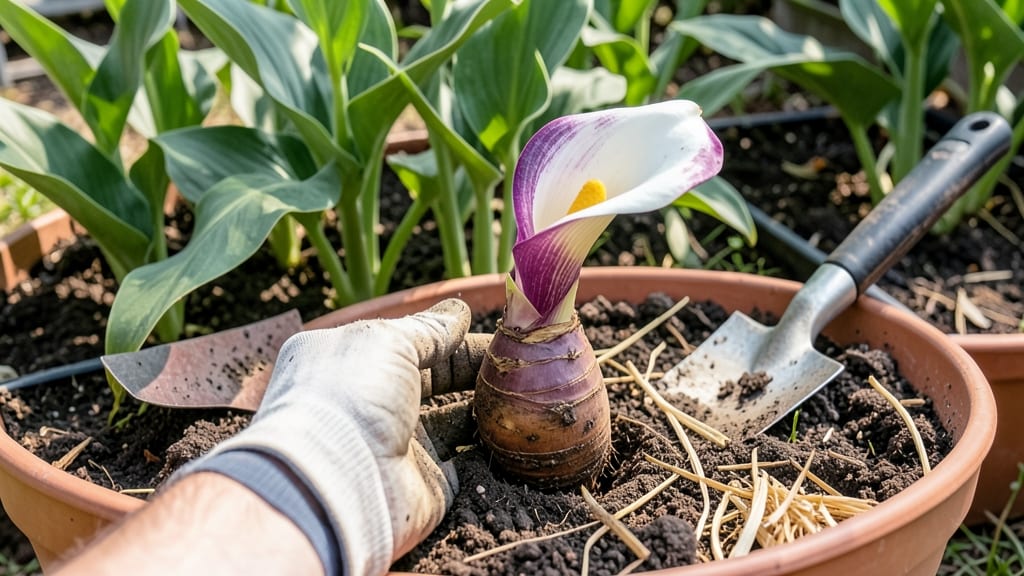
If you're eager to see your garden burst with 🌸 calla lilies this summer, knowing when to plant calla lily bulbs in Zone 5 is the key to success. Planting too early risks frost damage, while waiting too long could delay those stunning blooms you're dreaming of.
The secret lies in waiting for the soil to warm up—typically after your last frost date, when temperatures consistently stay above 60°F.
For gardeners in Zone 5, this usually means aiming for late spring to early summer, around May, once the danger of frost has passed. But how do you know for sure? It's all about reading your soil and climate cues, not just following a calendar.
I'll show you exactly how to test your soil's readiness so you can plant with confidence and set your calla lilies up for a spectacular show.
Many gardeners make the mistake of rushing their planting, only to watch their bulbs struggle or fail to bloom. The good news? With the right timing and a few simple precautions, you can protect your investment and enjoy vibrant calla lilies from summer through early fall.
Let's dive into the exact steps to get your bulbs in the ground at the perfect moment.
From understanding your local frost dates to preparing the soil just right, I'll walk you through everything you need to know. Whether you're a seasoned gardener or just starting out, these tips will help you avoid common pitfalls and create a thriving display of these elegant flowers.
Your garden's summer star is just a few weeks away—let's make sure it's planted for success.
Zone 5 calla lily planting timeline: exact dates based on soil temperature
Timing your calla lily bulb planting in Zone 5 hinges on two critical factors: soil temperature and last frost dates. Unlike tropical plants, calla lilies (Zantedeschia aethiopica) need warm soil—at least 60°F (15°C)—to thrive.
Planting too early risks frost damage, while waiting too long delays those dramatic spathes you love.
In Zone 5, your last frost date typically falls between mid-April and mid-May, depending on your exact location. For example, Chicago averages May 15, while Pittsburgh sees frost linger until May 10. But don’t rely solely on dates—soil temperature is your true guide.
Here’s the golden window for planting: late April to early June. This range accounts for regional variations and ensures bulbs establish roots before summer heat arrives. Early plantings in March (for warm microclimates) may work, but they’re risky unless you use row covers.
| Planting Window | Soil Temp Requirement | Frost Risk | Zone 5 Regions |
|---|---|---|---|
| Early April | Below 50°F (10°C) | ❄️ High (avoid) | Northern Zone 5 (e.g., Detroit) |
| Late April | 50–55°F (10–13°C) | ⚠️ Moderate (use covers) | Central Zone 5 (e.g., Chicago) |
| May 1–15 | 60°F+ (15°C+) | ✅ Low (ideal) | Southern Zone 5 (e.g., Pittsburgh) |
| June 1–15 | 65°F+ (18°C+) | ✅ None (safe) | All regions |
🌱 Pro Tip: Use a soil thermometer to confirm readiness—don’t guess!
If you’re in northern Zone 5 (e.g., Minneapolis), aim for late May to avoid late frosts. In southern Zone 5 (e.g., Cincinnati), early May works—just monitor nighttime temps. Remember: calla lilies are tender perennials; they won’t survive winter outdoors in Zone 5 without protection.
For container growing, you can plant bulbs indoors in March and transplant after the last frost. This extends your blooming season by 4–6 weeks. Just ensure pots have drainage holes and use a lightweight potting mix to prevent rot.
Once planted, mulch heavily (3–4 inches) with straw or shredded leaves to insulate roots. In fall, dig up bulbs after foliage yellows, dry them, and store in paper bags in a cool, dark place until next spring. This two-year cycle ensures robust blooms year after year.
Watch for new shoots emerging in late May—this confirms successful planting. If shoots appear but stagnate, your soil may still be too cold. In that case, cover plants with black plastic mulch to warm the soil faster.
By following this soil-temperature guide, you’ll avoid the #1 mistake Zone 5 gardeners make: planting too early. Patience pays off with bold, healthy blooms from summer to fall.
Zone 5 calla lily planting timeline: exact dates based on soil temperature
Timing your calla lily bulb planting in Zone 5 hinges on two critical factors: your last frost date and soil temperature. Most Zone 5 regions experience their last frost around mid-May, but this varies—Chicago may see frost into early June, while Pittsburgh often warms up by late April.
The key is waiting until soil temperatures consistently reach 60°F at a depth of 4 inches, which is when calla lilies start actively growing.
Planting too early risks frost damage to emerging shoots, while waiting too long delays blooms. For most of Zone 5, this means aiming for late May to early June as your ideal window.
However, if you live in a cooler microclimate, you might need to wait until June 1st to ensure safety. Always check your local USDA frost charts for precision.
Here’s a quick rule of thumb: If your mornings stay above 55°F and nights dip no lower than 45°F, your soil is likely ready. This typically aligns with Mother’s Day weekend in most of Zone 5, but don’t rely on the calendar—your soil is the final judge.
| Region | Last Frost Date | Ideal Planting Window | Soil Temp Threshold |
|---|---|---|---|
| Northern Zone 5 (e.g., Duluth, MN) | Early June | June 1–15 | 60°F+ |
| Central Zone 5 (e.g., Chicago, IL) | Mid-May | Late May–Early June | 60°F+ |
| Southern Zone 5 (e.g., Pittsburgh, PA) | Late April | Early–Mid May | 58°F+ |
Regional variations matter because microclimates can shift your planting window by weeks. For example, a south-facing slope warms up faster than a north-facing yard, so test soil in your actual planting spot.
If you’re unsure, err on the side of waiting—calla lilies planted in warm soil will catch up quickly, while those in cold soil may rot or fail to sprout.
Pro tip: Use a soil thermometer (just $10 at garden centers) to check temperatures at 4-inch depth in the morning and evening. If temps dip below 55°F at night, delay planting for another week. This small step can mean the difference between lush blooms and wasted bulbs.
Once your soil is ready, plant your calla lily bulbs 4 inches deep in well-draining soil, spacing them 12–18 inches apart. Mulch with 2–3 inches of organic mulch (like shredded leaves) to retain moisture and regulate soil temperature.
This simple layering helps protect roots from late frosts and keeps soil warm longer, giving your plants a head start.
Remember, calla lilies are tender perennials in Zone 5—they’ll die back in winter but return if bulbs survive. To maximize their lifespan, plant them in a sheltered spot (like near a fence or under trees) where they’re less exposed to winter winds.
With the right timing, your bulbs will reward you with summer-long blooms that rival tropical gardens.