
Plants
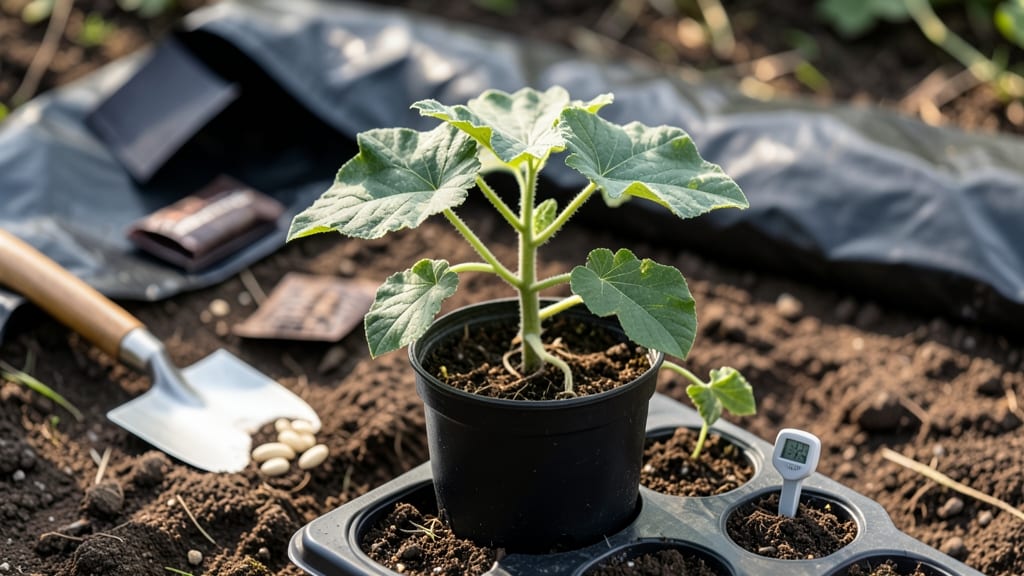
Timing your 🍈 cantaloupe planting in Virginia isn’t just about the calendar—it’s about catching that sweet spot between frost and scorching heat. Plant too early, and your vines will wilt before they even bloom; too late, and you might miss the summer window entirely.
The difference between a bumper crop and a disappointment often comes down to those 2-3 weeks after the last frost when soil finally warms up.
If you’re in Virginia’s 7a-8a zones, you’ve got a narrow but critical window—typically between mid-April and early May—to get seeds in the ground when temperatures consistently hit 70°F or higher.
That’s when cantaloupes throw off their picky act and start growing like they mean it, racing toward those juicy, ripe fruits by July. But here’s the catch: even if your neighbors swear by their late-March plantings, your local microclimate might have a different story to tell.
What if you’re eager to experiment with early starts or worried about summer heat stress? I’ll walk you through the exact week-by-week schedule that works for Virginia’s climate, plus the heat-resistant varieties that won’t bolt in the first 90-degree day.
You’ll learn how to read your soil’s temperature cues, adjust for rain delays, and even salvage a late planting if Mother Nature throws you a curveball.
By the end, you’ll know exactly when to plant your 🍈 cantaloupe for a harvest that rivals the ones at your local farmers’ market—and avoid the heartbreak of watching your plants fizzle out before they deliver. Let’s get those seeds in the ground the right way.
Best planting windows for cantaloupe in Virginia’s climate zones
Virginia’s climate varies dramatically from the cooler mountains in the west (USDA zones 5a-6b) to the humid Tidewater region in the east (zones 7b-8a). These differences mean your cantaloupe planting window should shift depending on where you live.
In northern Virginia (zones 6a-7a), you’ll need to wait until late spring, while southern Virginia gardeners (zones 7b-8a) can plant as early as mid-April.
Cantaloupes are warm-season crops that refuse to grow in cool soil. The magic number is 70°F soil temperature—any cooler, and your seeds will rot or your seedlings will languish. Use a soil thermometer to check before planting, especially in elevated areas or microclimates that cool down faster.
Here’s the critical rule: Plant cantaloupe 2-3 weeks after your last expected frost date. In Virginia, this typically falls between mid-April and early May, but mountain regions (zones 5a-6a) may need to wait until late May or early June.
Miss this window, and you risk blossom-end rot or poor fruit set.
🌱
Virginia Cantaloupe Planting Guide by Zone
| Zone | Last Frost Date | Ideal Planting Window | Soil Temp Requirement | Harvest Window |
|---|---|---|---|---|
| 5a-6a (Mountains) | May 1-15 | Late May - Early June | 70°F+ (critical) | August - Early Sept |
| 6b-7a (Piedmont) | April 15-30 | Mid-April - Early May | 70°F+ (critical) | July - August |
| 7b-8a (Coastal Plain) | March 15-April 15 | Mid-April - Late April | 70°F+ (critical) | June - July |
💡 Pro Tip: Use black plastic mulch to warm soil faster in cooler zones.
If you’re eager to get a head start, you can sow seeds indoors 3-4 weeks before your last frost date using biodegradable pots. However, cantaloupes hate transplant shock, so direct-sowing is often better.
For northern Virginia gardeners, consider using row covers or cold frames to extend your season slightly.
Another key factor is daylength. Cantaloupes need 12+ hours of daylight to thrive, which Virginia typically hits by late May. Planting too early in short-day conditions can stunt growth or prevent flowering. This is why southern Virginia gardeners often get earlier harvests—they benefit from longer daylight hours sooner.
For extended harvests, try succession planting in zones 7b-8a. After your first planting in mid-April, add a second batch in early June to enjoy fruit into late September.
Just remember: cantaloupes need 90-100 days to mature, so your second planting must be done by mid-July at the latest.
Watch for false starts—some years, Virginia’s spring can be deceptive with warm days and cool nights. Always monitor your plants for yellowing leaves or stunted growth, which are red flags that it’s too cold.
In these cases, cover plants with row fabric during nighttime chills to protect them until soil warms consistently.
Finally, avoid planting cantaloupe in the same spot year after year. These vines are heavy feeders and deplete soil nutrients quickly. Rotate with legumes or grasses the previous year to restore nitrogen levels. In Virginia’s clay-heavy soils, amend beds with compost and sand before planting to improve drainage.
☀️
Best planting windows for cantaloupe in Virginia’s climate zones
Virginia’s USDA zones 5a-8a create a patchwork of microclimates where cantaloupe thrives in some areas but struggles in others. The key difference? Soil temperature and frost-free days.
In the cooler mountain regions (5a-6a), you’ll need to wait until late May, while Tidewater and Piedmont (7a-8a) gardeners can plant as early as mid-April. The rule of thumb? Never plant until soil reaches 70°F—cantaloupe seeds won’t germinate below this threshold, and chilly nights will stunt your vines.
I’ve grown cantaloupe in both Roanoke (6a) and Norfolk (8a), and the difference is night-and-day. In Roanoke, my first attempt in early April failed because of a late frost, while my Norfolk plants were already flowering by Memorial Day.
The 14-day window between these zones shows why local knowledge matters more than calendar dates.
| Zone | Ideal Planting Window | Soil Temp Requirement | Frost-Free Days Needed |
|---|---|---|---|
| 5a-6a (Mountains) | Late May - Early June | 70°F+ (consistent) | 180+ days |
| 7a (Piedmont) | Mid-April - Early May | 70°F+ (minimum) | 200+ days |
| 8a (Tidewater) | Early April - Mid-May | 65°F+ (germination) | 210+ days |
For gardeners in transition zones (6b-7a), like Richmond or Lynchburg, aim for April 15-May 1—this gives you the best shot at a harvest before fall frosts. Use a soil thermometer ($10 at garden centers) to confirm temperatures.
I’ve seen cantaloupe seeds sprout in 60°F soil, but they’ll grow like molasses. Wait for that 70°F mark for vigorous vines.
Pro tip: If you’re in a high-humidity zone (like Hampton Roads), choose disease-resistant varieties and space plants 3-4 feet apart for airflow. Poor circulation leads to powdery mildew, which can wipe out your crop before harvest.
I lost an entire bed in 2019 because I crammed plants too close—don’t make my mistake!
What about late plantings? You can try a second crop in early June for a fall harvest, but expect smaller fruits. Cantaloupes need 75-90 days to mature, so count backward from your first frost date (typically October 15 in most of Virginia).
For example, if your frost date is October 10, your last planting window closes around July 10.
Remember: Cantaloupe hates cold feet. Even if daytime temps are warm, cool nights below 55°F will stunt growth. Use black plastic mulch to warm soil faster, or plant near south-facing walls to create a microclimate.
In my Zone 7b garden, I’ve had success planting near a brick fence—it traps heat and gives vines a head start.