
Plants
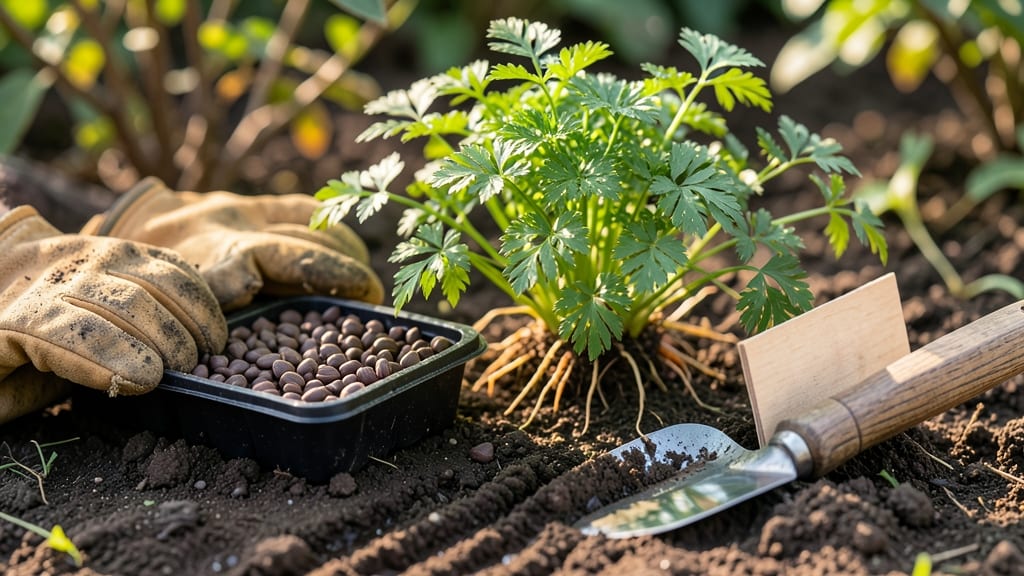
Knowing when to plant carrots in Seattle isn’t just about following a calendar—it’s about outsmarting the city’s fickle weather to grow sweet, crisp 🥕 roots that actually reach their full potential.
With Seattle’s 8a climate and unpredictable rain showers, timing your carrot seeds just right means the difference between a bountiful harvest and a patchy, disappointing one.
Most gardeners here make the mistake of planting too early, only to watch their seedlings bolt in the spring chill or rot in the damp soil. The truth?
The best windows are late March through early May for spring carrots and August to early September for fall crops—when soil temperatures hit that sweet spot of 50-60°F and frost risks fade.
But here’s the game-changer: Seattle’s microclimates mean your neighbor’s perfect timing might not work for you, especially if you’re in a rainier coastal zone or a drier urban pocket.
What if I told you there’s a way to stretch your carrot season from June to November without relying on luck?
Whether you’re a backyard gardener or a container gardener on a balcony, I’ll show you how to pick the right varieties, prep your soil like a pro, and use simple tricks to protect your crop from Seattle’s infamous October rains. No more guessing—just crisp, homegrown carrots all season long.
Ready to ditch the store-bought and grow carrots that taste like sunshine? Let’s break down the exact weeks to plant, the soil secrets that prevent forking, and how to turn your Seattle garden into a carrot-growing powerhouse—no green thumb required.
Seattle’s best planting windows for carrots by microclimate zone
Seattle’s diverse microclimates—from urban heat islands to coastal chill—mean your carrot planting schedule should adapt to your specific zone. Urban areas like Ballard or Fremont often warm up 2-3 weeks earlier than rural spots near Snoqualmie Pass, while coastal regions like West Seattle stay cooler longer.
Understanding these differences prevents woody roots or premature bolting.
For optimal success, aim to plant when soil temperatures hit 45°F (7°C)—a critical threshold for carrot germination. Use a soil thermometer to check depth (1 inch below surface).
In Seattle, this typically aligns with late March to early April for spring plantings and mid-August to early September for fall.
Here’s how timing varies by zone, including frost risk and ideal soil prep:
| Zone | Planting Window | Soil Temp | Frost Risk | Key Tip |
|---|---|---|---|---|
| Urban (Ballard, Fremont) | Late March–Early April August 15–September 1 |
45–50°F (7–10°C) | Low (heat islands warm faster) | Use row covers for early plantings |
| Suburban (Green Lake, Beacon Hill) | Early April–Mid-April August 1–August 15 |
45–55°F (7–13°C) | Moderate (late frosts possible) | Choose ‘Paris Market’ for slower bolting |
| Rural (Sammamish, Carnation) | Mid-April–Early May July 20–August 10 |
50–55°F (10–13°C) | High (later frosts likely) | Plant ‘Chantenay’ for cold tolerance |
| Coastal (West Seattle, Bainbridge) | Early May–Mid-May July 10–July 25 |
50–60°F (10–16°C) | Very High (chilly soils) | Use black plastic mulch to warm soil |
If you’re unsure about your microclimate, observe nearby gardens: leafy greens sprouting early? You’re likely in a warmer zone. Slow germination? You’re probably in a cooler area. Adjust your schedule accordingly—carrots planted too early in cold soil may bolt (flower prematurely) or develop forked roots.
For container gardening in Seattle, start seeds indoors 4–6 weeks before your zone’s last frost date. Use biodegradable pots to transplant seedlings directly into the ground, minimizing root disturbance. Urban balconies with south-facing exposure can yield 6–8-inch carrots by mid-July if planted in early April.
Pro tip: Test your soil’s pH (aim for 6.0–7.0) and amend with compost before planting. Seattle’s clay-heavy soils often need sand or peat moss to prevent forking. Mix in 1 inch of compost per square foot of bed for best results.
Remember:
How to extend your carrot harvest season in Seattle’s short growing period
Seattle’s 140-day growing window might feel short for carrots that need 70-80 days to mature, but with the right strategies, you can enjoy fresh 🥕 harvests from June through November. The key? Successive planting and cold-hardy varieties that tolerate Seattle’s cool, damp springs and chilly autumns.
I’ve grown carrots here for years, and I’ve learned that spacing plantings 2-3 weeks apart in spring and 3-4 weeks apart in fall is the secret to a continuous supply.
For spring crops, start your first planting in late March when soil temperatures hit 50°F, then follow with three more plantings at 2-week intervals. This ensures you’re harvesting some carrots by June while others mature in July.
In fall, begin your first planting in early August and repeat every 3 weeks until early September. With this schedule, you’ll have carrots ready by October and even into November before the first frost.
Don’t overlook cold-hardy varieties like ‘Nantes’ or ‘Paris Market’—they’re built to handle Seattle’s late-spring chills and early-fall frosts without bolting. Pair them with row covers or low tunnels to shield young seedlings from unpredictable rain and wind. I’ve used floating row covers in my garden, and they’ve extended my harvest by 2-3 weeks in both spring and fall. Just
- Spring: Late March, April 1, April 15, April 30
- Fall: Early August, August 15, August 30, Early September
- Use row covers for seedlings until soil warms
- Choose shorter varieties (4-6 inches) for fall
- Plant near south-facing walls for extra warmth
- Amend soil with compost before each planting
- Keep soil loose and fine-textured to prevent forking
- Add sand or perlite for better drainage in clay soil
- Harvest smaller carrots first (1 inch) to encourage regrowth
- Leave 3-4 inches of foliage when harvesting for continued growth
- Store harvested carrots in sandy soil in a cool, dark place
If space is limited, container gardening is a game-changer for Seattle gardeners. Deep pots (at least 12 inches deep) work perfectly for varieties like ‘Little Finger’ or ‘Paris Market.’ I’ve even grown carrots in 5-gallon buckets on my balcony, and they’ve thrived with the same care as in-ground plants. Just
One common mistake I see is overcrowding when planting successive crops. Carrots need 2-3 inches of space to grow straight and avoid forking. Thin seedlings to this spacing 2 weeks after germination, and use the thinnings in salads or stir-fries. This not only improves your harvest but also reduces competition for nutrients. For fall plantings, I always add a light mulch of straw to keep soil temperatures stable and retain moisture during Seattle’s drizzly autumns.
With these strategies, you’ll turn Seattle’s short growing season into a carrot-growing powerhouse. Whether you’re planting in raised beds, containers, or your backyard, the key is consistency and preparation.
Start your first seeds this week, and by next summer, you’ll be enjoying homegrown carrots that taste sweeter than anything you’ve ever bought in a store. Happy planting!