
Plants
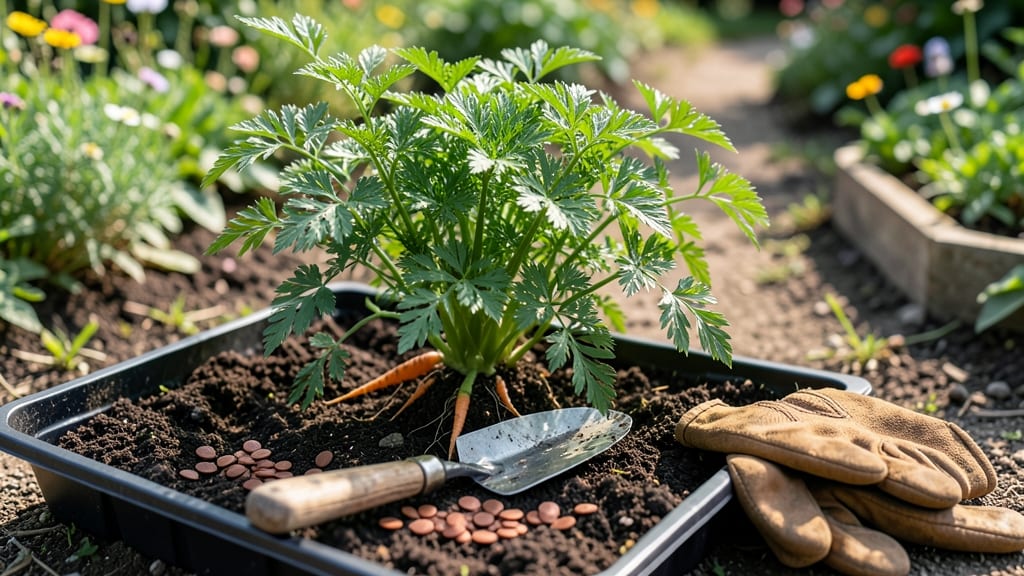
If you've ever planted 🥕 carrots in Zone 9a only to watch them bolt into bitter, seed-filled stalks, you're not alone. The key to sweet, crisp harvests lies in timing—specifically, avoiding the brutal summer heat and leveraging the cooler months when carrots thrive.
Zone 9a’s long growing season means you can actually plant 🥕 carrots twice a year: once in the fall and again in winter. But getting the timing right is everything—too early, and the heat triggers bolting; too late, and you miss the ideal window for winter harvests.
I’ll show you the exact months to sow for foolproof success.
What makes this even trickier is that Zone 9a rarely gets frost, so traditional planting guides don’t apply. Instead, we focus on soil temperature and heat tolerance.
By choosing the right varieties and planting at the perfect time, you can avoid the frustration of wasted seeds and enjoy a steady supply of homegrown carrots from December through April.
Ready to stop guessing and start growing? Let’s break down the best planting windows, heat-resistant varieties, and pro tips to keep your 🥕 carrots sweet and bolting-free all season long.
Best planting times for carrots in Zone 9a to avoid bolting
In Zone 9a, where summers stay warm year-round, timing your carrot planting is everything. Plant too early, and you risk bolting from heat stress. Plant too late, and your harvest might miss the winter window.
The sweet spot? Fall and early winter, when soil temps stay cool but days are still long enough for growth.
Carrots thrive in 55-75°F soil, making September through November ideal for direct sowing. This gives them time to mature before summer’s return. For a winter harvest, you can even plant again in December—just use shade cloth if temps creep above 80°F.
Here’s the key: Zone 9a’s long growing season means you can stretch carrot production from fall to spring. But avoid planting in summer months (March-July), when heat triggers bolting. Instead, focus on cool-season windows for the best flavor and texture.
| Planting Window | Soil Temp | Harvest Window | Notes |
|---|---|---|---|
| September - November | 55-75°F | December - March | Best for sweetest roots; avoid summer heat |
| December - January | 50-65°F | February - April | Use shade cloth if temps rise above 75°F |
| August (late) | 60-70°F | October - November | Risky; plant only with shade and extra water |
Direct sowing is always better than transplanting for carrots, as their roots can get damaged when moved. But if you’re using seedlings, opt for bolt-resistant varieties like ‘Paris Market’ or ‘Little Finger’—they handle slight heat better than standard types.
Pro tip: Test your soil before planting. Carrots need loose, well-draining soil to grow straight. Amend heavy clay with compost or sand to prevent forked roots. A quick pH test ensures your soil is 6.0-7.0, the sweet spot for carrot growth.
Watering is critical in Zone 9a’s dry spells. Keep soil evenly moist but never soggy. A drip irrigation system works best—it delivers water directly to roots without wetting foliage, which can lead to fungal issues. Aim for 1-2 inches of water per week, adjusting for rain.
If you’re new to growing carrots in Zone 9a, start small with a test patch in September. This lets you gauge soil conditions and timing before committing to a full bed. Remember, patience is key—carrots take 60-80 days to mature, so plan your schedule accordingly.
Finally, don’t forget succession planting. Sow new seeds every 2-3 weeks from September through November to ensure a steady harvest. This also reduces the risk of bolting from overcrowding or heat stress in later plantings.
With these timing tricks, you’ll enjoy crisp, sweet carrots from fall through spring—no bitter surprises here! 🥕
Best planting times for carrots in Zone 9a to avoid bolting
In Zone 9a, where summer temperatures can soar past 90°F, timing your 🥕 carrot plantings is the secret to avoiding bitter, woody roots. The trick is to plant when soil temperatures stay below 75°F—this prevents bolting (when carrots flower prematurely).
For me, the sweet spot is fall and winter, when cooler temps and shorter days create ideal conditions.
Your best windows are September through November for fall harvests and December through February for winter crops. These months align with Zone 9a’s natural cooling trend, giving carrots time to mature before summer heat arrives.
I’ve found that direct seeding (planting seeds directly in the ground) works best—transplants struggle with the transition and often bolt faster.
Here’s the breakdown of your planting calendar, including soil temp targets and harvest windows to keep your 🥕 carrots sweet and crisp:
| Planting Window | Soil Temp Goal (°F) | Harvest Window | Notes |
|---|---|---|---|
| Late August - Early September | 70-75°F | November - December | Early fall crop; use shade cloth if temps rise above 80°F. |
| September - November | 65-70°F | December - April | Primary planting window; ideal for winter harvests. |
| December - February | 60-65°F | March - May | Winter crop; protect from sudden heat spikes with mulch. |
If you’re wondering about spring planting, I’d advise against it—Zone 9a’s heat ramps up fast, and carrots sown in March or April will almost certainly bolt by May. Instead, focus on these cooler windows to ensure your 🥕 carrots stay sweet and store well.
For extra insurance, I recommend testing your soil temperature with a soil thermometer before planting; aim for 65-70°F for best results.
One pro tip I’ve learned is to succession plant every 2-3 weeks during your fall window. This staggered approach gives you a steady supply of carrots from December through April without overwhelming your garden at once.
Just be sure to keep the soil consistently moist—carrots need 1-2 inches of water per week, but they hate soggy conditions, which can cause rot.
Finally, remember that shade cloth can be a lifesaver in late summer or early fall if temperatures creep up unexpectedly. A 30-50% shade cloth can lower soil temps by 10-15°F, giving your carrots a fighting chance even if you plant slightly early.
With these timing tricks, you’ll avoid the heartbreak of bitter, bolted carrots and enjoy a bountiful harvest all winter long.