
Plants
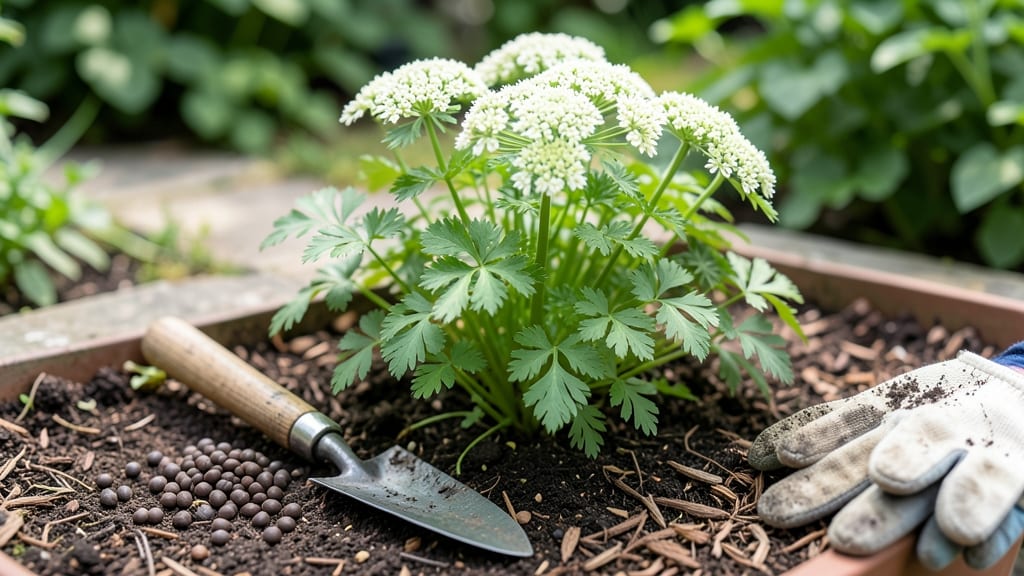
If you’ve ever learned when to plant cilantro in Georgia only to watch it bolt into bitter seeds by summer, you’re not alone—timing is everything.
The key to fresh, flavorful harvests lies in planting during the cool months when temperatures stay mild, but many gardeners miss the best windows.
For Georgia’s 7b-8b zones, the ideal time to plant cilantro is February-March for spring and August-September for fall, avoiding the brutal heat that triggers bolting. This herb thrives when nights stay below 75°F, making early spring and late summer the perfect sweet spots.
I’ll walk you through the exact planting schedule for your region—whether you’re in the Piedmont or Coastal Georgia—and share pro tips to extend your harvest well into June or November. No more wasted seeds or bitter disappointment!
Ready to grow cilantro that actually tastes like cilantro? Let’s dive into the best planting times and tricks to keep your 🌿 happy all season long.
Best planting times for cilantro in Georgia’s climate zones
Georgia’s USDA zones 7b-8b create a unique challenge for growing cilantro—its love for cool weather clashes with our long, hot summers. The key to success lies in timing your plantings for either early spring or late summer/fall, when temperatures stay mild.
If you plant during summer’s heat, you’ll end up with bitter, bolted cilantro faster than you can say "pesto."
Let’s break down the optimal planting windows for Georgia’s three distinct regions: Coastal, Piedmont, and Mountain. Each has slightly different frost dates and heat patterns, so your local microclimate matters. For example, Savannah’s coastal humidity extends the growing season, while Atlanta’s Piedmont heat arrives earlier in spring.
| Region | USDA Zone | Spring Planting Window | Fall Planting Window | Last Frost Date | First Frost Date |
|---|---|---|---|---|---|
| Coastal (Savannah, Brunswick) | 8a-8b | February 15 - March 15 | August 1 - September 10 | March 1 | November 20 |
| Piedmont (Atlanta, Macon) | 7b-8a | March 1 - April 1 | July 15 - August 15 | March 15 | November 10 |
| Mountain (Blue Ridge, Dahlonega) | 6b-7a | April 1 - May 1 | July 30 - September 1 | April 1 | October 31 |
Notice how the Coastal region has a longer growing season? That’s because its warmer winters and humid summers delay both the last frost and the arrival of scorching heat. In contrast, the Mountain region has a shorter window because its cooler springs and earlier frosts limit your options.
Always check your local frost dates—they can vary by 1-2 weeks even within the same city!
For spring plantings, aim to sow cilantro 4-6 weeks before your last frost date. This gives seedlings time to establish roots before soil temperatures rise above 75°F, which triggers bolting.
In Atlanta, that means planting in early March, while in Savannah, you can start as early as mid-February. Use a soil thermometer to confirm temperatures stay below 70°F during the day.
Fall is your second best chance for cilantro in Georgia. Plant seeds 8-10 weeks before your first frost to ensure a harvest before cold snaps. In the Piedmont, this means mid-July to early August, while coastal gardeners can wait until early September.
A trick I use is to sow a second batch in late August—this staggered approach gives me fresh cilantro through November, even in colder years.
Why does summer planting fail? Cilantro is a cool-season crop that bolts when days get long and hot. By June in Georgia, daylight hours exceed 14 hours, sending cilantro into survival mode—it focuses on flowering and seed production instead of leaf growth.
The result? Bitter, woody stems and tiny leaves that taste more like soap than fresh herbs. Even shade cloth won’t save it—just delay the inevitable.
To maximize your harvest, pair your spring and fall plantings with succession sowing. Every 2-3 weeks, add a new row of seeds. This ensures a continuous supply of fresh cilantro while the first batch matures.
In my Atlanta garden, I’ve had success with 5 successive plantings in spring and 4 in fall, giving me cilantro from April through November—with minimal bolting.
One pro tip for Georgia gardeners: use shade cloth (30-50%) during summer months to protect young plants from extreme heat. While it won’t prevent bolting entirely, it can extend the window for a second summer crop in coastal areas. Just
Finally, don’t overlook container growing for cilantro in Georgia. Pots give you the flexibility to move plants to shade during heatwaves or bring them indoors if a cold snap is forecasted. I keep my cilantro in 12-inch pots on a dap
Best planting times for cilantro in Georgia’s climate zones
Georgia’s 7b-8b climate zones create distinct microclimates that dramatically impact cilantro success. In the Coastal Plain (e.g., Savannah), warmer winters mean you can start sowing cilantro as early as January, while the Piedmont (Atlanta) and Mountain regions (Blue Ridge) need to wait until late February to avoid frost.
The key is planting when soil temperatures stay below 70°F—any warmer, and you’ll trigger bolting.
For spring harvests, aim to sow cilantro 4-6 weeks before your last frost date (typically mid-March in most of Georgia). This gives seedlings time to establish before heat arrives.
In the Coastal zone, you might even squeeze in a late fall harvest (October-November) before the first frost hits around mid-November.
🌱 Georgia Cilantro Planting Schedule by Region
| Region | Spring Planting | Fall Planting | Harvest Window |
|---|---|---|---|
| Coastal (Savannah) | January-March | August-September | March-June, Oct-Nov |
| Piedmont (Atlanta) | Late Feb-March | Late Aug-Sept | April-June, Oct-Nov |
| Mountain (Blue Ridge) | March-April | Late Aug-Sept | May-June, Oct |
*Adjust dates 1-2 weeks earlier for Coastal zones, later for Mountain regions.
Summer planting is a no-go in Georgia—cilantro bolts when days exceed 80°F. Even shade won’t save it. Instead, use shade cloth (30-50%) to protect seedlings during late spring/early fall transitions.
I’ve found that planting cilantro under dappled shade from fruit trees extends its lifespan by 2-3 weeks in hot zones.
Pro tip: Test soil temperature with a soil thermometer—cilantro germinates best at 60-70°F. If your soil runs warmer, wait or use black plastic mulch to cool roots. In my Atlanta garden, this trick added 10 extra days of usable cilantro before bolting.
For continuous harvests, stagger plantings every 2-3 weeks from February through September. This ensures you always have fresh leaves while avoiding the bitter bolting phase. Just remember: no cilantro after Memorial Day unless you’re using heat-tolerant varieties (we’ll cover those next!).
Now that you’ve got the timing down, let’s talk about extending your harvest—because nobody wants cilantro to disappear faster than a Georgia summer squash! 🌿