
Plants
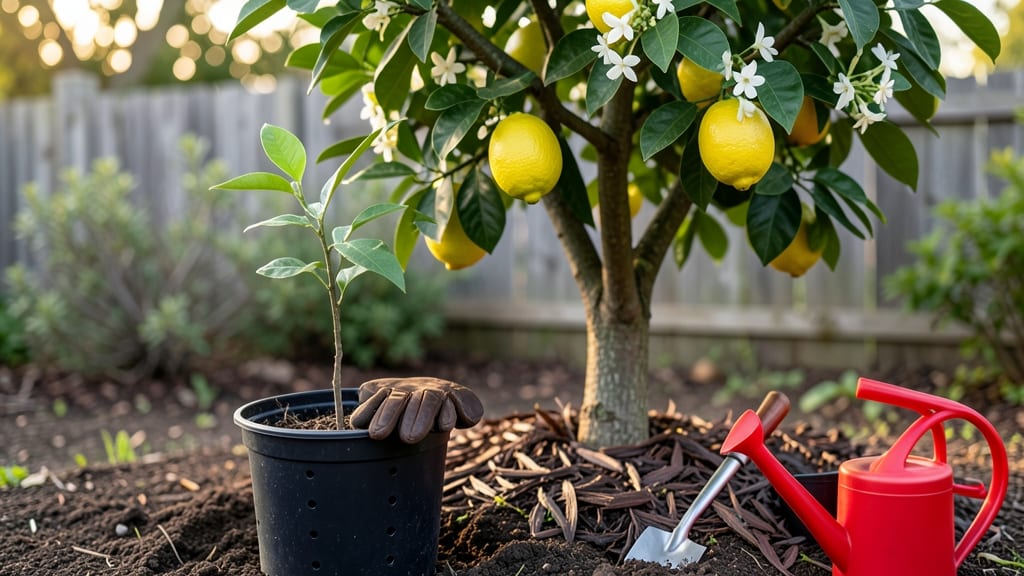
Timing your citrus planting in Arizona isn’t just about following a calendar—it’s about outsmarting the desert’s unpredictable frosts and scorching summers.
Whether you’re growing a Meyer lemon 🍊 in Phoenix or a hardy Satsuma in Flagstaff, planting too early or late can mean the difference between a thriving tree and a sad, frost-nipped sapling.
The ideal window stretches from November through March, when soil temperatures are cool enough to prevent heat stress while avoiding the last frost threats that can creep in as late as mid-January in higher elevations.
But here’s the catch: Arizona’s microclimates—from the low desert’s 9b zone to the cooler highlands—demand a tailored approach.
In this guide, I’ll break down exactly when to plant citrus in your specific corner of Arizona, including how to adjust for urban heat islands, high-altitude chill, and even container growing for small spaces.
You’ll also discover which varieties handle Arizona’s extremes best and how to prep your soil for maximum survival.
Ready to grow citrus that flourishes year-round? Let’s dive into the microclimate-specific secrets that’ll give your trees the best possible start—no guesswork required.
Best planting months for citrus trees in Arizona’s 5 key microclimates
Arizona’s microclimates create unique challenges and opportunities for citrus growers. From the low desert’s 120°F summers to the highland valleys’ occasional winter freezes, understanding your zone is critical. Planting at the right time ensures your citrus trees establish strong roots before extreme heat or cold hits.
Most Arizona gardeners plant citrus between November and March, but exact timing depends on your elevation and location. The Sonoran Desert (Phoenix, Tucson) offers frost-free windows year-round, while Flagstaff’s highlands (Zone 7) require extra caution. Let’s break down the best months for each microclimate.
In low desert areas, citrus can technically be planted year-round, but November through March offers the best balance of cool soil temperatures and minimal heat stress. The Sonoran Desert sees the most consistent success during these months, with Meyer lemons and Calamondin thriving when planted in well-draining soil.
For higher elevations like the Mogollon Rim, timing shifts dramatically. Planting in April-May or September-October avoids late spring frosts while allowing roots to establish before winter. Trifoliate orange and Yuzu varieties handle these conditions better than traditional oranges.
Urban areas like Phoenix and Tempe experience urban heat islands, where pavement radiates heat. Planting in November or February gives young trees time to establish before summer’s intensity peaks. Always use 3-4 inches of mulch to protect roots from temperature swings.
If you’re in Flagstaff or the highland valleys, your only frost-free window is June-July. Container growing becomes essential here—move pots indoors or to a greenhouse during winter. Kumquats and Citrons are your best bets for these challenging conditions.
Pro tip: Check your local Cooperative Extension office for microclimate-specific advice. They track frost dates and can help you pinpoint the safest planting window for your exact location. Container growing also gives you flexibility to move trees during extreme weather events.
Remember, soil temperature matters as much as air temperature. Use a soil thermometer to confirm temperatures are above 60°F before planting—citrus roots won’t establish well in cooler soils.
How to adjust citrus planting for Arizona’s unpredictable weather patterns
Arizona’s weather can shift dramatically—one day it’s 110°F in Phoenix, the next it’s freezing in Flagstaff. These swings make citrus planting tricky, but with the right adjustments, you can protect your trees from heat stress and late frosts.
The key is understanding how to work with your local microclimate, whether you’re in the low desert or highlands.
For example, if you’re planting in Tucson or Yuma, where winters are mild, you can start as early as October. But in Prescott or Payson, where frosts linger until mid-March, wait until February to avoid cold damage.
Even within cities like Phoenix, urban heat islands can create 5-10°F warmer conditions than surrounding areas—so adjust your timing accordingly.
Soil temperature is another critical factor. Citrus roots thrive when soil temps are between 60°F and 75°F. In cooler highland areas, use black plastic mulch or row covers to warm the soil before planting. For container-grown citrus, move pots to a sheltered location during cold snaps, even if your microclimate is generally frost-free.
⚠️ Watch for False Springs
Arizona’s unpredictable monsoons can trick you into thinking winter is over. If you plant too early and a late frost hits (common in March), your young citrus trees can suffer irreversible damage. Always check your local Almanac frost dates and monitor soil temps with a thermometer before planting.
If you’re in a high-altitude area like Sedona or the Mogollon Rim, consider planting container-grown citrus instead of in-ground. Containers give you the flexibility to move trees indoors or under cover during cold snaps. For in-ground planting, choose a south-facing slope to maximize warmth and protect against cold air pooling.
Another pro tip: Water deeply before the first frost to help insulate roots. In drought-prone areas like the Sonoran Desert, mulch heavily with wood chips or straw to retain moisture and regulate soil temperature.
This extra layer can make the difference between a surviving sapling and a wilted one during Arizona’s erratic weather shifts.
Finally, if you’re planting in April or later, prioritize shade cloth or drip irrigation to protect young trees from intense summer heat. Even drought-tolerant citrus varieties like Carrizo citrange can struggle if planted during peak heat.
By adjusting your approach to match Arizona’s unpredictable patterns, you’ll give your citrus trees the best chance to thrive year-round.