
Plants
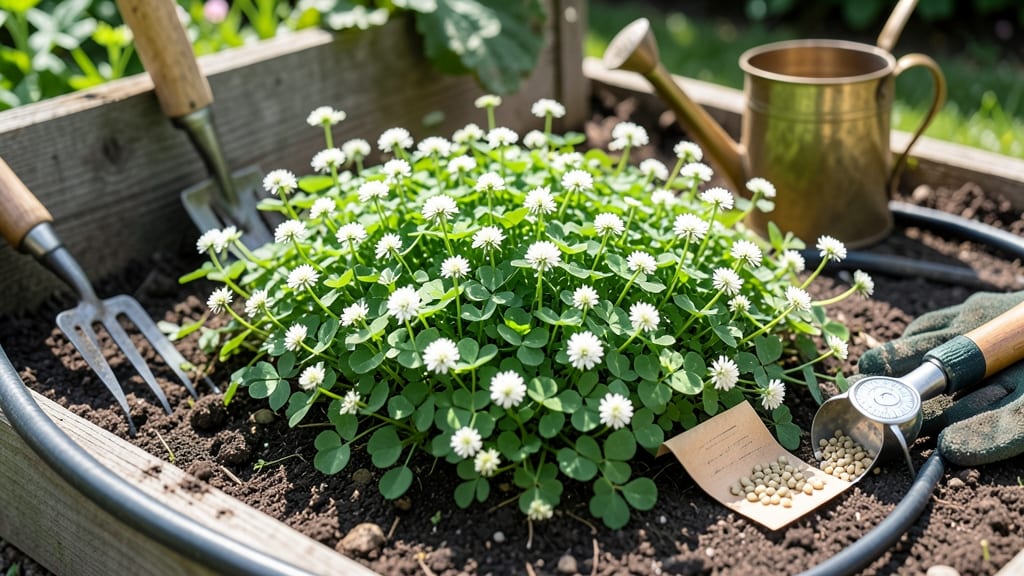
If you’ve ever stared at your Indiana lawn in early spring, wondering when to plant clover before the weather turns unpredictable, you’re not alone. The right timing can mean the difference between a thriving ground cover that crowds out weeds and a patchy, slow-starting mess.
With Indiana’s USDA Zone 6a climate, getting those seeds in the ground at the perfect moment—when soil temps hit 50°F+—is the key to fast establishment.
Most gardeners in Indiana swear by planting clover in March or April, but early fall (August-September) can also work if you’re aiming for a head start before winter. The trick? Avoid planting too early when frost lingers, or too late when summer heat stresses young plants.
I’ll break down the exact deadlines for your microclimate—whether you’re in northern Indiana’s cooler pockets or the warmer southern regions.
Why does timing matter so much? Clover isn’t just pretty—it’s a game-changer for soil health, reducing erosion, and attracting pollinators. But rush it, and you’ll waste seeds on frost bites or invite pests like clover mites.
Let’s cut through the guesswork so you can plant with confidence and see results in just 3-4 weeks.
From choosing the right variety (Dutch white for lawns, red for pollinators) to adjusting for Indiana’s humidity and pests, I’ll cover everything you need to know. Ready to transform your yard into a clover powerhouse? Let’s get started.
Indiana’s clover planting zones: soil temps and microclimate deadlines
Indiana’s USDA zones 5-7 create distinct microclimates where soil temperature and frost dates dictate the best time to plant clover. Northern Indiana (Zone 5) has earlier frost risks, while southern Indiana (Zone 7) enjoys longer growing seasons.
The key? Plant when soil reaches 50°F (10°C)—this ensures fast germination and avoids spring frost damage.
For spring planting, aim for March 15–April 15 in southern Indiana and April 1–May 1 in northern areas. Fall planting works best from August 15–September 15 statewide, giving clover time to establish before winter dormancy.
Missing these windows can lead to slow growth or pest invasions like clover leaf weevils.
Here’s how your Indiana microclimate affects planting:
- Northern IN (Zone 5): Wait until after April 15 (last frost date).
- Central IN (Zone 6): Plant March 20–April 30 for spring.
- Southern IN (Zone 7): Start as early as February 28 in mild winters.
| Zone | Spring Planting Window | Fall Planting Window | Soil Temp Threshold | Key Risk |
|---|---|---|---|---|
| 5 (Northern IN) | April 1–May 1 | August 15–September 1 | 50°F+ (10°C) | Late frosts |
| 6 (Central IN) | March 20–April 30 | August 1–September 15 | 50°F+ (10°C) | Summer drought |
| 7 (Southern IN) | February 28–April 15 | August 15–October 1 | 50°F+ (10°C) | Humidity stress |
Check your local last frost date (typically April 15 statewide) and adjust planting by 2–3 weeks for early varieties like Dutch white clover, which germinates in 7–14 days at optimal temps. Red clover takes 14–21 days, so plant it 1–2 weeks earlier in spring.
Indiana’s humidity and soil moisture also play a role. In northern zones, prioritize spring planting to avoid fall rains that can rot seeds. In southern zones, fall planting works well due to milder winters and cooler soil.
Use a soil thermometer to confirm 50°F+ temps before planting. If temps fluctuate, wait 5–7 days for stability. Early planting (before March 15) risks frost damage, while late planting (after May 1) may struggle with summer heat.
For urban gardens or small plots, consider fall planting—it reduces weed competition and gives clover time to establish deep roots before winter. Cover crops like clover also thrive in fall planting because they fix nitrogen over winter.
Pro tip: Mix clover seeds with ryegrass for faster ground cover. The grass stabilizes soil while clover adds nitrogen. This combo is ideal for Indiana’s clay-heavy soils, which benefit from organic matter.
If you’re planting alsike clover (a drought-tolerant variety), extend your fall window to October 1—it handles cooler soils better than Dutch white. Just avoid planting after October 15, as first frosts can kill young seedlings.
🌱
Step-by-step clover planting calendar for Indiana’s 3 phases
Planting clover in Indiana isn’t just about tossing seeds in the ground—it’s a three-phase process that starts months before your first clover sprout appears. I’ve broken it down into clear deadlines to ensure your clover thrives, whether you’re planting in spring or fall.
Phase 1 kicks off in late winter, Phase 2 is your peak planting window, and Phase 3 keeps your clover healthy long-term.
For spring planting, your timeline begins in February with soil prep and ends in May with post-planting care. If you’re planting in fall, shift everything back by 3 months—soil prep in May-June, planting in August-September.
Let’s dive into the exact steps and deadlines for each phase, tailored to Indiana’s USDA Zone 6a climate.
📅 Phase 1: Pre-Spring Prep (Feb–Early March)
- 🌡️ Test soil temperature (use a soil thermometer). Wait until it hits 50°F+—typically mid-March in northern IN, early March in southern IN.
- 🧪 Conduct a soil test (pH should be 6.0–7.0 for clover). If needed, add lime (for acidic soil) or sulfur (for alkaline soil) 4–6 weeks before planting.
- 🌱 Loosen compacted soil to a depth of 2–3 inches with a rake or tiller. Remove debris to improve seed-to-soil contact.
- 💧 Water deeply 1–2 weeks before planting to moisten the soil. Aim for 1 inch of water per week during dry spells.
🌱 Phase 2: Peak Planting Window (March–May or August–September)
- 📅 Plant Dutch white clover in March–April (spring) or August–early September (fall). This variety germinates fastest (7–14 days) in Indiana’s climate.
- 🌿 Broadcast seeds at a rate of 1–2 lbs per 1,000 sq ft. Lightly rake to cover seeds with ¼ inch of soil—no need to bury deeply.
- 💧 Water lightly daily until germination (keep soil consistently moist). Reduce to 2–3 times per week once clover reaches 2 inches tall.
- ⏰ Avoid planting after May 15 (spring) or September 15 (fall). Late plantings risk summer drought stress or winter frost damage before establishment.
🌿 Phase 3: Post-Establishment Care (June–October)
- ✂️ Mow clover to 1–2 inches when it reaches 3–4 inches tall (use a sharp mower blade to avoid tearing plants). First mow typically in June–July.
- 🔄 Overseed bare spots in late summer (August) if clover fails to fill in. Focus on areas with thin coverage or weeds.
- 🛡️ Monitor for pests like clover mites or Japanese beetles. Apply neem oil or insecticidal soap if needed (spot-treat only).
- 🌧️ Reduce watering in fall once clover enters dormancy (October–November). Water only if soil is bone-dry for >2 weeks.
Pro tip: If you’re planting red clover (great for pollinators), shift your fall planting to late August—it’s more frost-tolerant than Dutch white but slower to establish. For alsike clover, which thrives in wetter soils, plant in early spring (March) to avoid summer waterlogging.
Miss a deadline? Don’t panic. Clover is forgiving—just adjust your watering and watch for weeds. With these steps, you’ll have a lush, low-maintenance lawn or erosion-control ground cover in no time. 🌱