
Plants
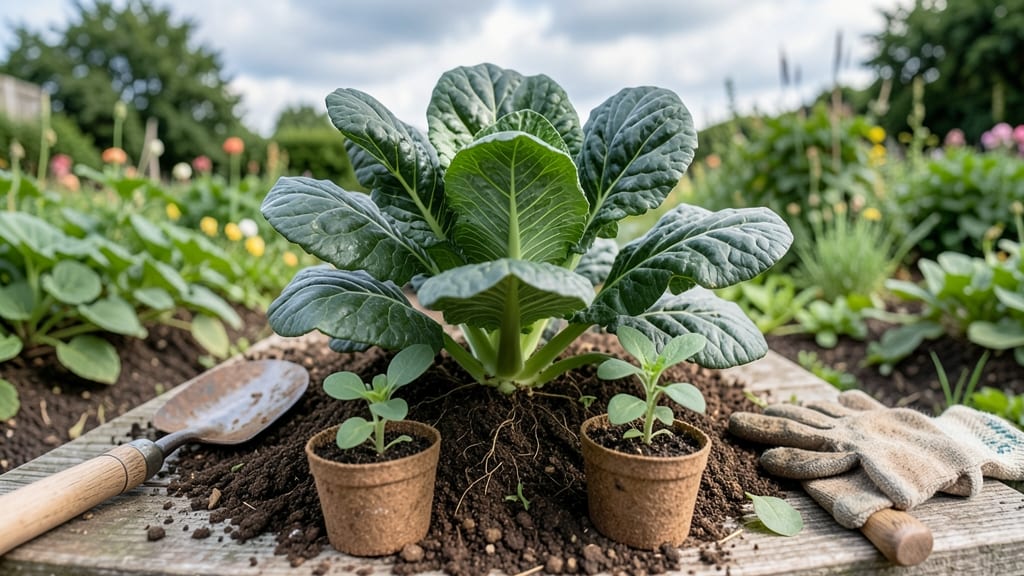
Timing your collard greens planting in Georgia (GA) can mean the difference between sweet, tender leaves and bitter, stunted plants. The key isn't just about seasons—it's about understanding how Georgia's 7b-9a zones create unique microclimates that affect when to sow seeds for the best harvests.
Most gardeners know collard greens 🥬 thrive in cooler weather, but Georgia's long growing season and varying elevations mean you can plant successfully from late summer through early spring.
Whether you're in the cooler mountain regions or the hot coastal plains, getting the timing right ensures you avoid heat stress and maximize your harvest from October through April.
In this guide, I'll break down the exact weeks to plant collard greens in each Georgia region, including soil temperature tips and frost considerations. You'll discover how to extend your growing season and keep your collards producing sweet leaves even when others are struggling.
Ready to grow collard greens that taste amazing all season long? Let's dive into the Georgia-specific strategies that will transform your garden's potential.
Georgia’s best planting weeks for collard greens by region
Georgia’s diverse climate—from the cool Blue Ridge Mountains to the hot coastal plains—means collard greens thrive year-round if planted at the right time.
In North Georgia (USDA Zones 7b-8a), cooler temperatures allow for spring and fall plantings, while South Georgia (Zones 8b-9a) can grow them nearly year-round with minimal frost risk. Let’s break down the exact weeks to plant for each region to maximize sweet, tender leaves.
For North Georgia, aim for late summer (August 1–15) for a fall harvest before the first frost (mid-November), or early spring (March 15–April 15) to take advantage of cooler soil temperatures. Central Georgia gardeners can extend planting into late September for a winter crop, while South Georgia can sow seeds as late as October 15 and even January 1–15 for a spring harvest.
Soil temperature is critical—collard greens germinate best in soil 55–75°F. In North Georgia, wait until soil warms to 60°F in spring or 70°F in fall. South Georgia’s warmer soil means you can plant 2–4 weeks earlier than North Georgia.
Always test soil with a thermometer or plant when nighttime temps stay above 50°F.
⚠️ Frost risk is the biggest threat—collard greens tolerate light frosts (28°F) but may bolt or develop bitter flavors if exposed to hard freezes (20°F). Use row covers or mulch to protect plants in North Georgia’s colder winters. In South Georgia, frost is rare, but a late-winter planting (January) ensures tender leaves before summer heat sets in.
Here’s how to align your planting schedule with Georgia’s microclimates for continuous harvests:
For North Georgia, I recommend starting seeds indoors in late July for a fall transplant (early September) to beat frost.
In Central Georgia, direct sowing in late August gives plants enough time to mature before winter. South Georgia gardeners can even try a summer planting (June) with 50% shade cloth to prevent bolting from heat stress.
Pro tip: Use black plastic mulch in North Georgia to warm soil faster in spring, or straw mulch in South Georgia to retain moisture during dry spells. Both tricks extend your planting window by 2–3 weeks.
Remember, collard greens are cool-season crops, so they perform best when daytime temps stay below 80°F. If you plant in late spring (May–June), provide afternoon shade to avoid bitter flavors. For continuous harvests, stagger plantings every 2–3 weeks from August through March.
Now that you’ve got your planting weeks locked in, your next step is protecting those tender leaves from Georgia’s heat and humidity. Stay tuned for tips on shade strategies and
How to extend collard green harvests in Georgia’s heat
Georgia’s long, hot summers can turn your collard greens 🥬 bitter and tough if you don’t act fast. The key to sweet, tender leaves year-round lies in strategic adjustments—like shade cloth, irrigation timing, and soil prep—that protect your plants from heat stress.
I’ve grown collards in Zone 8a for years, and these tricks keep them thriving even when temps hit 95°F+.
First, shade cloth is your best friend during peak summer. Use a 30-50% shade cloth to filter sunlight while allowing airflow—this prevents bolting and keeps leaves tender. Install it by early June and remove it in late August to avoid stunting growth as temps drop.
Pair this with drip irrigation set to water early morning (before 8 AM) to keep roots cool and soil moist without fungal risks.
Your soil plays a critical role too. Amend beds with 2-3 inches of compost before planting to improve water retention and nutrient availability. Add a 1-inch layer of mulch (straw or pine needles) to lock in moisture and regulate soil temperature.
This combo reduces the need for frequent watering while protecting roots from heat spikes.
- Use 30-50% shade cloth June–August to prevent bolting.
- Water deeply at dawn (1-1.5 inches weekly) to avoid fungal growth.
- Amend soil with compost + mulch to retain moisture and cool roots.
- Plant heat-tolerant varieties like ‘Georgia Southern’ for better resilience.
- Harvest outer leaves first to reduce stress on the plant.
Don’t overlook companion planting—it’s a game-changer for Georgia gardens. Pair collards with bush beans, carrots, or onions to improve soil structure and deter pests like cabbage worms.
Avoid planting near tomatoes, though, as they compete for nutrients and attract similar pests. This simple swap can boost your harvest by 20-30% with minimal extra work.
For a year-round supply, stagger plantings every 3-4 weeks from late summer through early spring. Start with transplants in August (for a fall harvest) and follow up with direct-sown seeds in October and February.
This ensures you’re always harvesting fresh, sweet leaves—even when others are struggling with heat or cold snaps.
Finally, watch for heat stress signs: yellowing leaves, stunted growth, or a bitter taste mean it’s time to adjust. If you see these, trim back the plant by 20-30% to encourage new, tender growth and increase airflow.
With these tips, your collard greens will stay productive from October through April, no matter Georgia’s summer heat.