
Plants
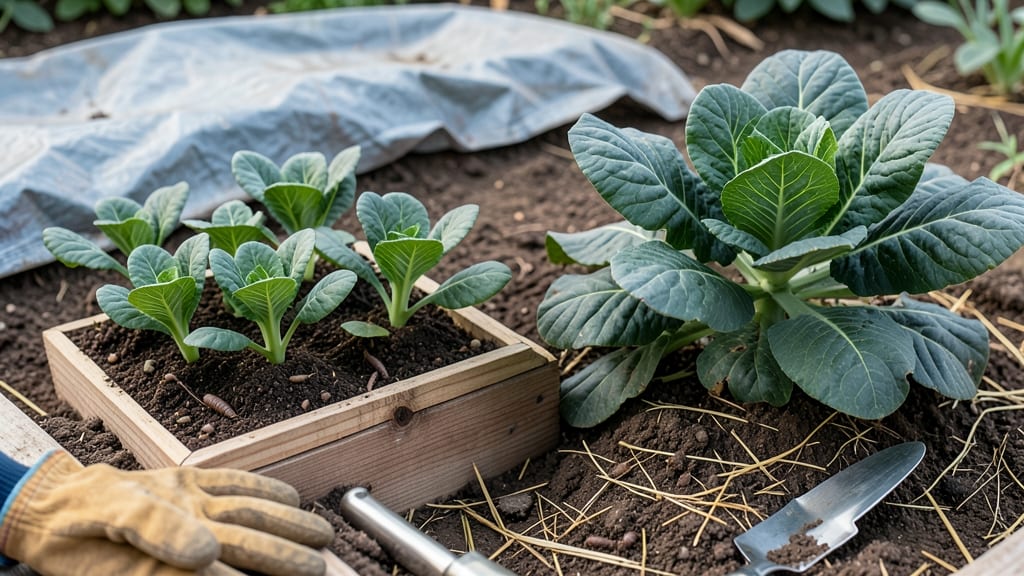
Timing your collard greens planting in North Carolina can mean the difference between tender, flavorful leaves and bitter, stunted plants—especially in Zones 7a and 7b. The key is understanding when your local microclimate shifts from too cold to just right, because those 5-10°F temperature swings matter more than you might think.
Most gardeners in NC rush to plant collards too early, only to watch their seedlings wilt when a late frost hits. But here’s the secret: cool-season crops like collards actually prefer 60-70°F soil and can handle light frosts once established.
I’ll show you exactly when to put those seeds in the ground for maximum yield—whether you’re in the Piedmont’s rolling hills or the coast’s milder climate.
What if I told you you could enjoy fresh collards from late summer all the way through winter? The trick lies in strategic planting windows that align with NC’s frost dates and soil warming patterns.
We’ll break down the ideal months, how to adjust for your specific zone, and even how to extend your harvest using simple techniques most gardeners overlook.
Ready to grow collards that taste sweeter and last longer? Let’s dive into the exact planting schedule, soil prep tips, and microclimate adjustments that will transform your garden—no more guesswork, just consistent, delicious results. Your next harvest starts with the right timing.
Best planting windows for collard greens in NC’s Zone 7a/7b (with microclimate adjustments)
North Carolina’s Zone 7a/7b offers two ideal windows for planting collard greens, but timing matters more than you might think. The coastal plain (like Wilmington) and Piedmont region (like Raleigh) have different frost risks, so adjust your schedule accordingly. For sweet, tender leaves, aim for these proven planting times.
In most of Zone 7a/7b, collards thrive when planted 4-6 weeks before your first fall frost (typically mid-October) and again in early spring (March-April). Coastal areas can push planting slightly later due to milder winters, while inland zones should start earlier to beat frost.
Here’s the microclimate breakdown for North Carolina’s two main growing zones:
| Region | First Planting Window | Second Planting Window | Key Consideration |
|---|---|---|---|
| Coastal Plain (Zone 7b) | Late August - Early September | Mid-March - April | Milder winters, push fall planting later |
| Piedmont (Zone 7a) | Early August - Mid-August | Late February - March | Harder frosts, start earlier |
| Mountains (Zone 6b) | Mid-July - Early August | Early March | Short growing season, prioritize fall |
For Zone 7a/7b, soil temperature is your best guide. Collard seeds need soil that’s at least 45°F (7°C) to germinate, but they’ll grow best when soil reaches 60°F (15°C). Use a soil thermometer to check—this is especially critical for spring plantings when cool nights can delay germination.
Pro tip: If you’re in a warmer microclimate (like near the coast), you can even try a third planting in late summer (July) for a fall harvest. Just be ready to protect young plants with row covers if a late frost sneaks in.
Always check NC State Extension’s frost maps for your specific county, as microclimates can vary even within Zone 7a/7b. For example, the Research Triangle area tends to have 2-3 weeks earlier frost dates than the Outer Banks.
Remember, fall-planted collards actually taste sweeter after a light frost—this is when their natural sugars peak. But don’t let them sit in the ground too long after hard frosts, or they’ll bolt and become bitter.
For spring plantings, focus on hardening off seedlings properly if you started them indoors. North Carolina’s Zone 7a/7b can have unpredictable temperature swings in April, so gradual acclimation is key.
🌱
Best planting windows for collard greens in NC’s Zone 7a/7b (with microclimate adjustments)
North Carolina’s Zone 7a/7b offers two prime windows for planting collard greens: early spring and late summer. The key difference? Spring plantings give you a summer harvest, while fall plantings extend your greens through winter’s mildest months.
For Zone 7a (average last frost: March 15), aim for March 20-April 15 or August 1-September 15. Zone 7b (last frost: March 30) can start slightly earlier—March 1-April 10 and July 20-August 30.
Microclimates matter! Coastal areas like Wilmington stay milder, allowing 2-3 weeks earlier plantings than inland Piedmont regions. Use your local NC State Extension frost maps to fine-tune dates.
For example, Raleigh’s Zone 7b gardeners should wait until April 1 for spring plantings, while Asheville’s Zone 7a should hold off until April 15.
Soil temperature is your real guide. Collards won’t germinate well below 60°F, so use a soil thermometer. In Zone 7a, soil typically hits this mark by mid-April; in Zone 7b, it’s often ready by late March.
For fall plantings, wait until soil cools to 70°F or below—usually late July-August—to prevent bolting.
| Planting Window | Zone 7a Dates | Zone 7b Dates | Microclimate Adjustments |
|---|---|---|---|
| Spring Planting | March 20-April 15 | March 1-April 10 | Coastal: 2 weeks earlier |
| Fall Planting | August 1-September 15 | July 20-August 30 | Piedmont: 1 week later |
| Soil Temp Threshold | ≥60°F for germination | ≥60°F for germination | Use row covers for early starts |
Pro tip: For Zone 7a gardeners, consider a third planting in early October to catch the first frost. Collards actually sweeten after light frost, making them perfect for holiday meals. Just cover young plants with floating row covers if a hard freeze (below 25°F) is forecasted.
Direct sowing works best for collards—they hate transplant shock. Space seeds 12-18 inches apart in rows 2 feet apart. If starting indoors, begin seeds 4-6 weeks before your target outdoor date. Use biodegradable pots to avoid root disturbance when transplanting.
Remember: Soil prep is non-negotiable. Amend your beds with compost and aged manure to reach a pH of 6.5-7.0. Collards are heavy feeders, so mix in a balanced fertilizer (10-10-10) at planting time.
In my Zone 7b garden, I’ve found that adding a 2-inch layer of mulch after planting helps retain moisture and regulate soil temps—critical during NC’s unpredictable spring showers.