
Plants
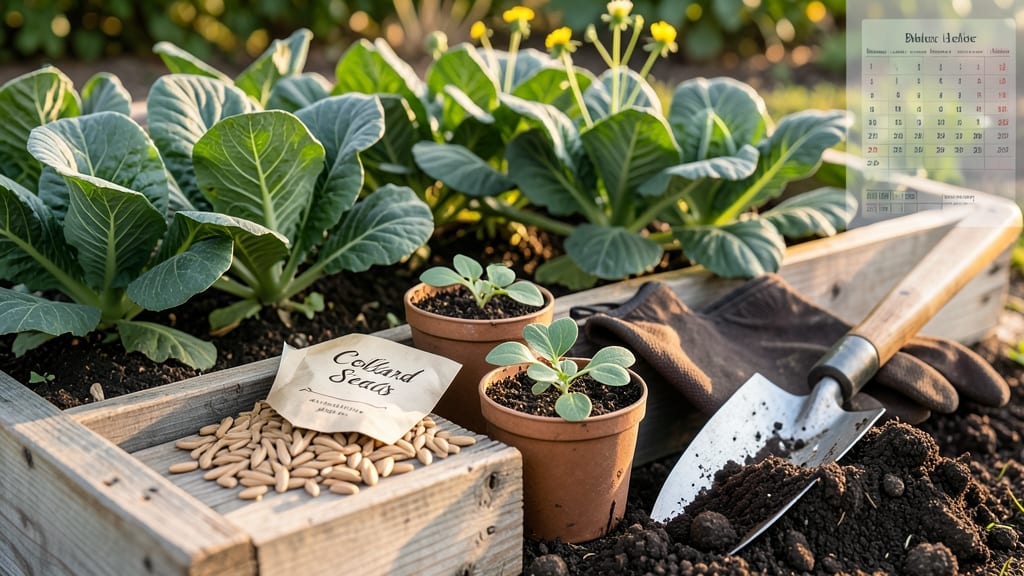
Timing when to plant collard seeds in NC just right can mean the difference between a thriving garden and a disappointing harvest.
With North Carolina's unique climate—where mild winters and long growing seasons create prime conditions for 🥬—getting the planting window wrong could leave you with bitter, stunted greens or missed opportunities for fresh harvests.
Most gardeners in zones 7a-8b know collards thrive in both spring and fall, but the exact timing matters more than you might think. Plant too early, and your seeds could rot in cold soil; too late, and you risk frost damage before they mature.
The key is understanding your local frost dates and soil temperatures—especially since NC's microclimates can vary dramatically from the coast to the mountains.
In this guide, I’ll break down the optimal planting windows for direct-sowing collards in NC, including soil temperature thresholds, frost considerations, and how to stretch your harvest season.
Whether you're a first-time gardener or a seasoned pro, these insights will help you grow collards that are sweeter, heartier, and ready to harvest in 50-75 days.
Ready to avoid common mistakes and maximize your yield? Let’s dive into the exact steps to time your collard seeds perfectly for North Carolina’s climate—so you can enjoy fresh greens from spring through fall.
Optimal collard seed planting windows in NC: frost dates & soil temps
North Carolina’s diverse climate—from the Coastal Plain to the Mountains—means your collard seed timing should match your USDA zone (7a-8b). The key is planting when soil temps hit 50-60°F and frost risk is low.
For most of NC, this means mid-March to early April for spring and late July to early August for fall plantings.
In Coastal NC (Zone 8a-8b), you can start seeds as early as late February—the warmer soil warms up faster. Meanwhile, in the Piedmont (Zone 7a-7b), wait until mid-April to avoid cold snaps. Mountain regions (Zone 7a) should aim for late April to ensure safety from late frosts.
Fall plantings are equally critical. Coastal areas can sow until early October, while Piedmont gardeners should stop by mid-September. Mountain zones must finish by late August to avoid winter damage. Always check your local first frost date—NC’s ranges from mid-November (Coastal) to early November (Mountains).
| Region | Spring Planting | Fall Planting | Soil Temp |
|---|---|---|---|
| Coastal NC (Zone 8a-8b) | Late Feb - Early April | Late July - Early Oct | 55-60°F |
| Piedmont (Zone 7a-7b) | Mid-March - Early April | Late July - Mid-Sept | 50-55°F |
| Mountains (Zone 7a) | Late April - Early May | Late July - Late Aug | 50°F |
Use a soil thermometer to confirm readiness—collard seeds need 50°F minimum to germinate. If temps dip below this, wait 1-2 weeks. Pro tip: Black plastic mulch can warm soil by 5-10°F faster in early spring, giving you a head start.
For direct sowing, plant seeds ¼ inch deep and 2-3 inches apart in rows spaced 18 inches apart. Thin seedlings to 12-18 inches apart once they’re 3-4 inches tall. This spacing prevents overcrowding and improves air circulation, reducing disease risk—a common issue in NC’s humid summers.
If you’re unsure about your last frost date, use the National Weather Service’s frost calendar or local Cooperative Extension office. For example, Raleigh’s average last frost is April 15, while Asheville’s is May 1. Adjust your planting window accordingly to avoid frost damage to young seedlings.
Remember, collards thrive in cool weather and actually sweeten after frost. Planting in late summer for a fall harvest lets you enjoy tender greens just as they improve in flavor with light freezes. This is why many NC gardeners prioritize fall plantings—they often yield the most flavorful collards!
For extra insurance, choose frost-tolerant varieties like ‘Georgia Southern’ or ‘Top Bunch’. These hold up better in NC’s unpredictable fall temperature swings and deliver consistent harvests. Pair them with proper timing, and you’ll have collards from late summer through winter.
Always monitor your garden’s microclimate. A sheltered spot may frost 1-2 weeks later than an exposed area. Use this to your advantage by planting earlier in protected beds or near south-facing walls that absorb and radiate heat.
Finally, keep a planting journal to track your success. Note when you sowed, soil temps, and any weather anomalies. Over time, you’ll refine your timing to match your NC garden’s unique conditions—whether that’s Coastal humidity or Mountain chill.
Optimal collard seed planting windows in NC: frost dates & soil temps
North Carolina’s three distinct climate zones—Coastal, Piedmont, and Mountains—each demand slightly different timing for collard seeds. The Coastal Plain (zones 8a-8b) enjoys the longest growing season, while the Mountains (zones 6b-7a) face earlier frosts.
For all regions, soil temperature is the critical factor: seeds won’t germinate well below 50°F, and ideal conditions range from 50-60°F.
In spring, aim to plant 4-6 weeks before your last frost date. For most of NC, this means mid-March to early April in the Piedmont and Coastal regions, while mountain gardeners should wait until late March to early April.
Use a soil thermometer to confirm warmth—if it’s consistently above 55°F at 2 inches deep, you’re ready to sow.
| Region | Spring Planting Window | Fall Planting Window | Soil Temp Threshold |
|---|---|---|---|
| Coastal Plain (8a-8b) | Mid-March to early April | Late July to early August | 50-60°F |
| Piedmont (7a-7b) | Late March to early April | Late July to mid-August | 50-60°F |
| Mountains (6b-7a) | Late March to early April | Mid-July to early August | 55-60°F |
For fall plantings, the goal is to establish plants that mature before first frost (typically mid-November in the Piedmont and early November in the Coastal Plain).
Seed packets often suggest planting 75-90 days before frost, but in NC’s warm climate, you can push this to 80-90 days for a late harvest. This translates to late July to early August for most regions.
Mountain gardeners should start seeds by mid-July to ensure maturity before frost. A pro tip: succession plant every 3-4 weeks in fall to extend your harvest window.
For example, if you plant your first batch in late July, follow up with seeds in early August and late August for a staggered harvest through November.
One common mistake is planting too early in spring, when cold, wet soil can cause seeds to rot. To avoid this, use row covers or wait until soil temperatures consistently reach 55°F. In fall, the opposite risk is planting too late—seeds may not germinate before frost.
Always check your local NC State Extension frost dates and adjust by 1-2 weeks if your microclimate runs cooler or warmer.
Remember, collards sweetened by frost are a Southern garden staple, but you’ll only get that flavor if you time your plantings correctly. With these windows, you’ll enjoy fresh, tender greens from late spring through winter—just in time for holiday meals.